
Augmentin (Amoxicillin / Clavulanate)
Content:
- Augmentin - a combination antibiotic for the treatment of bacterial infections
- Which types of infections are treated with Augmentin?
- Why Augmentin Is Effective When Other Antibiotics Fail
- Where to Buy Augmentin Safely and at a Reasonable Price
- Common Risks When Purchasing Augmentin Online
- Comparing Augmentin Prices Across Online Pharmacies
- Which genitourinary conditions is Augmentin prescribed for
- Effectiveness of Augmentin in cystitis, pyelonephritis, and complicated infections
- Recommended duration of Augmentin therapy and expected outcomes
- Available dosage forms and strengths of Augmentin
- What to expect during a standard course of Augmentin therapy
- Contraindications and situations where Augmentin should not be used
- How to reduce Augmentin side effects and improve treatment outcomes
- Drug interactions that are important for patients
Augmentin - a combination antibiotic for the treatment of bacterial infections
Augmentin is a widely respected prescription antibiotic that combines amoxicillin, a broad-spectrum penicillin, with clavulanic acid, a potent beta-lactamase inhibitor. This dual mechanism enables Augmentin to target a broad range of Gram-positive and Gram-negative bacteria, including strains that have acquired resistance to standard penicillins and some cephalosporins. By blocking bacterial cell wall synthesis and simultaneously neutralizing beta-lactamase enzymes, the formulation preserves the activity of amoxicillin even in challenging clinical scenarios. Clinicians across the world value this combination when a reliable, time-tested systemic antibiotic is required for empiric or targeted therapy.
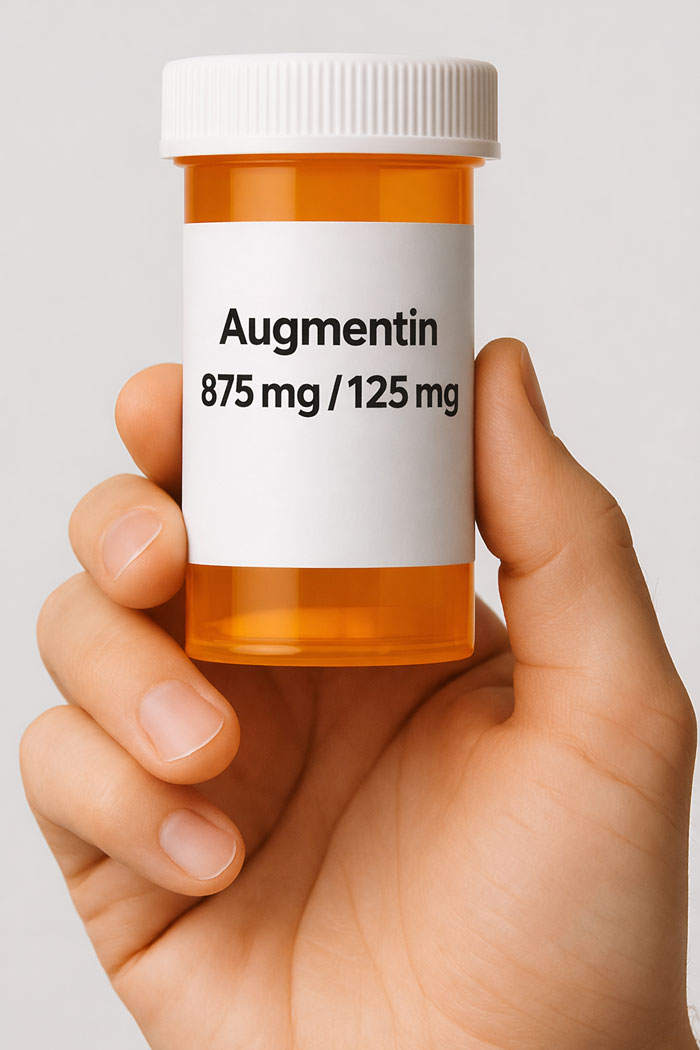
From a pharmacological perspective, Augmentin offers predictable absorption, distribution, and elimination profiles across its oral and parenteral formulations. Amoxicillin demonstrates high bioavailability after oral administration, while clavulanic acid, though present in lower concentrations, plays a strategic role in protecting the beta-lactam core from enzymatic degradation. This synergy allows the drug to reach therapeutic levels in respiratory mucosa, middle ear effusions, urinary tract tissues, skin structures, and biliary secretions. Such tissue penetration patterns make Augmentin suitable for treating both community-acquired and certain hospital-acquired infections, provided that local resistance profiles are taken into account.
Clinically, Augmentin has earned a central role in the management of respiratory tract infections, otitis media, sinusitis, skin and soft tissue infections, odontogenic infections, and a range of genitourinary conditions. Physicians frequently select Augmentin when they anticipate mixed flora involving beta-lactamase producing organisms, such as in bite wounds, chronic sinus disease, or polymicrobial urinary tract infections. The drug is available in adult and pediatric strengths, which simplifies dosing across age groups and body weights. Suspension forms with tailored clavulanate-to-amoxicillin ratios help reduce gastrointestinal intolerance while maintaining antibacterial efficacy.
Safety and tolerability profiles of Augmentin have been well characterized over decades of use. The most common reactions involve the gastrointestinal tract, such as diarrhea or mild abdominal discomfort, which are often self-limiting and manageable through dietary adjustments or probiotic support. Hypersensitivity reactions, including rash or urticaria, are observed less frequently but require careful assessment, especially in patients with a known history of beta-lactam allergy. Hepatic enzyme elevations can occur, particularly with prolonged or high-dose regimens, so clinicians typically monitor at-risk patients with periodic laboratory tests. When prescribed appropriately and with attention to individual risk factors, Augmentin demonstrates an excellent benefit-to-risk ratio in everyday practice.
From a practical standpoint, Augmentin is produced in multiple dosage strengths and pharmaceutical forms, allowing tailored regimens for mild, moderate, and severe infections. Immediate-release tablets, extended-release tablets for certain indications, oral suspensions, and intravenous preparations cover a wide spectrum of clinical needs, from outpatient therapy to perioperative prophylaxis and inpatient management of complicated infections. This flexibility, combined with robust clinical evidence and long-term real-world experience, has positioned Augmentin as a reliable, versatile antibiotic that supports physicians in delivering timely, effective, and rational antimicrobial therapy.
Which types of infections are treated with Augmentin?
Augmentin is indicated for a broad array of bacterial infections, particularly where mixed flora or beta-lactamase producing organisms are suspected. In the upper respiratory tract, it is frequently prescribed for acute bacterial sinusitis, recurrent or severe otitis media, and exacerbations of chronic sinus disease that do not respond adequately to narrow-spectrum agents. In the lower respiratory tract, Augmentin plays a role in the management of community-acquired pneumonia, acute exacerbations of chronic obstructive pulmonary disease, and bronchitis when bacterial etiology is likely. These indications reflect its ability to target common pathogens such as Streptococcus pneumoniae, Haemophilus influenzae, and Moraxella catarrhalis, including beta-lactamase producing strains.
Beyond the respiratory system, Augmentin is widely used in infections of the skin and soft tissues, where polymicrobial involvement is frequent. Cellulitis, infected dermal lesions, wound infections, and certain diabetic foot infections may respond well to Augmentin, especially when coverage for staphylococci, streptococci, and selected Gram-negative rods is desired. Bite wounds, both human and animal, represent a classic indication because the oral flora of humans, dogs, and cats often contain beta-lactamase producing organisms such as Pasteurella species and various anaerobes. In these scenarios, the combination of amoxicillin and clavulanate provides broad, convenient coverage in a single oral agent.
Odontogenic and maxillofacial infections represent another field where Augmentin has become a mainstay. Dental abscesses, periodontal infections with systemic manifestations, and post-procedural infections following oral surgery often involve mixed aerobic and anaerobic flora. Augmentin is frequently selected to limit progression of infection, reduce pain, and prevent complications such as deep neck space involvement or osteomyelitis of the jaw. Its activity against common oral streptococci and anaerobes, combined with favorable penetration into gingival and bone tissues, contributes to reliable clinical outcomes when coupled with appropriate surgical drainage or dental intervention.
Intra-abdominal and biliary infections occasionally require Augmentin, especially in mild-to-moderate community-acquired cases without high risk factors for resistant organisms. Cholecystitis, cholangitis, and some forms of uncomplicated diverticulitis or appendiceal infections may be managed with Augmentin as part of a comprehensive treatment plan that includes fluid resuscitation and, when necessary, surgical or interventional radiology procedures. While more severe or healthcare-associated abdominal infections often require broader-spectrum or intravenous regimens, Augmentin offers a convenient oral step-down therapy once the patient stabilizes and can be discharged from hospital care.
Genitourinary infections represent a particularly relevant domain for Augmentin, especially when pathogens such as Escherichia coli, Proteus mirabilis, or Enterococcus faecalis are susceptible. Uncomplicated urinary tract infections, recurrent cystitis, and certain cases of pyelonephritis can be treated with Augmentin, depending on local resistance patterns and culture results. The drug is also utilized for some gynecologic and pelvic infections, including postpartum or post-procedural conditions where mixed flora and anaerobes are expected. By tailoring the dose and duration to the severity of disease and renal function, clinicians can use Augmentin to achieve effective bacteriological eradication while limiting the development of resistance.
- Upper and lower respiratory tract infections caused by susceptible bacteria
- Skin and soft tissue infections, including bite wounds and diabetic foot lesions
- Odontogenic and maxillofacial infections with mixed aerobic and anaerobic flora
- Mild-to-moderate intra-abdominal and biliary infections in community settings
- Genitourinary and selected gynecologic infections guided by susceptibility patterns
Why Augmentin Is Effective When Other Antibiotics Fail
Augmentin demonstrates reliable performance in clinical scenarios where conventional penicillins or some cephalosporins lose activity due to bacterial production of beta-lactamases. Amoxicillin alone is vulnerable to these enzymes, which cleave the beta-lactam ring and neutralize antibacterial action. Clavulanic acid, structurally related to penicillins but with minimal intrinsic antibacterial activity, binds irreversibly to many beta-lactamases, thereby shielding amoxicillin from degradation. This biochemical protection restores and extends the spectrum of amoxicillin against organisms that would otherwise be resistant, including many strains of H. influenzae, M. catarrhalis, and certain Enterobacteriaceae.
The pharmacodynamic properties of Augmentin further explain its performance in difficult infections. Like other beta-lactams, its efficacy correlates with the time that free drug concentrations remain above the minimum inhibitory concentration (MIC) for the target pathogens. Because both components are rapidly absorbed and achieve therapeutic levels in blood and tissues, dosing intervals can be designed to maintain adequate time above MIC for most susceptible organisms. High-dose or extended-release formulations provide even more sustained exposure, which can be particularly advantageous for respiratory pathogens with elevated MICs or in patients with high body mass index, where distribution volumes are increased.
Clinical practice often reveals the value of Augmentin in patients who have already received another antibiotic without adequate improvement. For example, a patient with sinusitis initially treated with plain amoxicillin may fail to respond if beta-lactamase producing bacteria dominate the infection. Switching to Augmentin introduces clavulanic acid, neutralizing the resistance mechanism and allowing amoxicillin to exert its full bactericidal effect. Similar scenarios occur in skin infections, bite wounds, and urinary tract infections, where previous exposure to narrow-spectrum agents or self-medication with leftover antibiotics has selected for more resilient flora that remain susceptible once beta-lactamase activity is blocked.
Another reason for Augmentin's success lies in its balanced spectrum, which covers many common community pathogens while avoiding the extreme breadth of some broad-spectrum agents like carbapenems or advanced-generation cephalosporins. This balance supports rational antimicrobial stewardship by reserving the most powerful broad-spectrum drugs for truly refractory or life-threatening infections. When Augmentin is used thoughtfully, guided by local resistance data and culture results when available, it can resolve many infections without escalating to agents that carry higher risks of collateral damage to the microbiota or selection of multidrug-resistant organisms.
Augmentin's performance is also enhanced by its flexible dosing regimens and pharmaceutical forms, which allow clinicians to match the intensity of therapy to clinical severity. Mild infections may respond to standard doses administered twice daily, while more severe respiratory or urinary infections may require higher doses or three-times-daily schedules for optimal outcomes. Intravenous formulations permit rapid attainment of therapeutic levels in hospitalized patients, followed by a seamless transition to oral therapy as clinical status improves. This stepwise approach supports early discharge, reduces hospital costs, and promotes patient comfort without sacrificing microbiological control.
Where to Buy Augmentin Safely and at a Reasonable Price
Augmentin is a prescription-only antibiotic, and obtaining it through legitimate, regulated channels is mandatory for both safety and legal reasons. The most traditional option remains the neighborhood community pharmacy, where the pharmacist verifies the prescription, checks for potential drug interactions, and provides counseling on correct use. Patients benefit from immediate access to medication, the ability to ask clarifying questions, and support in choosing appropriate probiotic or symptomatic therapies. While retail prices can vary, many pharmacies offer discount programs, loyalty cards, or manufacturer coupons that reduce the out-of-pocket cost for insured and uninsured patients alike.
Online pharmacies have become an increasingly popular source of Augmentin, particularly for individuals who value convenience, privacy, and home delivery. Reputable internet pharmacies operate under national regulatory frameworks, require a valid prescription, and employ licensed pharmacists to oversee dispensing. Their websites typically display license numbers, physical addresses, and accreditation seals from recognized bodies. Price comparison tools and transparent fee structures help patients identify competitive offers, while secure payment systems and discreet packaging enhance user confidence. When chosen carefully, online pharmacies can offer significant cost savings, especially for long-term or repeated courses of therapy.
Some healthcare systems and insurance plans provide integrated mail-order pharmacy services, which can be an excellent option for patients on chronic or recurrent antibiotic regimens, such as those with frequent exacerbations of chronic bronchitis or recurrent urinary tract infections. These services usually coordinate directly with prescribers, manage refills, and offer automatic shipment reminders, reducing the risk of treatment interruptions. Bulk purchasing and streamlined logistics often allow mail-order pharmacies to offer lower copayments or discounts compared with retail outlets. For patients living in remote areas or with limited mobility, mail-order delivery can significantly improve timely access to essential medications.
When evaluating where to purchase Augmentin, patients should consider not only price but also the level of professional support and reliability offered by the pharmacy. A slightly higher cost at a trusted, well-regulated provider may be preferable to the lowest possible price from an unknown source with limited transparency. Pharmacies that maintain robust stock levels and cold-chain logistics for temperature-sensitive products (where relevant) reduce the risk of receiving expired or subpotent medication. Clear return policies, easy access to customer service, and the presence of licensed pharmacists available for consultation are additional markers of a dependable supplier.
For international travelers or expatriates, sourcing Augmentin can require extra vigilance, as regulatory standards and brand names may differ across countries. In many regions, generic equivalents of Augmentin are marketed under alternative names but contain the same combination of amoxicillin and clavulanic acid in comparable strengths. Travelers are advised to carry a copy of their prescription and, when possible, consult local medical professionals to ensure that the selected product matches the intended dose and formulation. By prioritizing licensed pharmacies, verifying active ingredients, and avoiding informal vendors, patients can secure authentic Augmentin at a reasonable cost while minimizing the risk of substandard or counterfeit products.
- Use licensed community pharmacies for immediate access and in-person counseling
- Choose accredited online pharmacies that require valid prescriptions
- Consider mail-order services for recurrent or long-term antibiotic needs
- Evaluate not only price but also reliability, transparency, and pharmacist support
- For international purchases, verify generic equivalents and local regulatory standards
Common Risks When Purchasing Augmentin Online
Acquiring Augmentin through unverified online sources carries several significant risks that can compromise treatment efficacy and patient safety. One of the most pressing concerns is the circulation of counterfeit or substandard medications that mimic the appearance of genuine products but contain incorrect doses, degraded active ingredients, or harmful contaminants. Such products may fail to control infection, promote antimicrobial resistance, or cause unexpected adverse reactions. Because counterfeiters often reproduce packaging with high accuracy, visual inspection alone rarely guarantees authenticity, making regulatory oversight and accreditation of online pharmacies a critical safeguard.
Another major risk involves the sale of Augmentin without a valid prescription or adequate medical evaluation. Websites that offer antibiotics on demand, based solely on an online questionnaire or without any clinical assessment, encourage inappropriate self-diagnosis and misuse. Patients may select Augmentin for viral infections, such as influenza or uncomplicated colds, where antibiotics provide no benefit and only increase side-effect risk. Others may choose incorrect dosages or durations, stop treatment prematurely when symptoms improve, or repeatedly self-treat recurrent infections without investigating underlying causes. Such patterns accelerate the emergence of resistant organisms and undermine the long-term utility of Augmentin.
Data privacy and cybersecurity also represent important concerns when purchasing Augmentin online. Disreputable websites may lack robust encryption or may collect personal and financial information for purposes unrelated to healthcare. Identity theft, unauthorized charges, and misuse of medical data can result from transactions with poorly secured or fraudulent vendors. Patients should look for secure "https" connections, clear privacy policies, and verifiable contact information before entering any sensitive data. Accreditation seals from recognized regulatory or professional bodies provide additional assurance that the pharmacy adheres to industry standards for data protection and ethical conduct.
Logistical issues such as shipping delays, improper storage conditions during transit, and inconsistent stock availability can further complicate online purchasing. Antibiotics must be stored within specified temperature and humidity ranges to maintain stability and potency. Vendors that do not follow good distribution practices may expose Augmentin to extreme temperatures or moisture, particularly during international shipping or in regions with harsh climates. Delays in delivery can postpone the start of therapy, allowing infections to progress and potentially requiring more aggressive treatment later. Reliable online providers address these issues with appropriate packaging, tracking systems, and realistic delivery timelines.
Language barriers and lack of access to qualified pharmacists on some international sites can hinder accurate comprehension of dosing instructions, contraindications, and potential interactions. Patients may receive medication labeled in a foreign language, with unfamiliar strength designations or dosing units, increasing the risk of underdosing or overdosing. Without professional guidance, individuals might also overlook important warnings regarding allergies, liver or kidney impairment, or concurrent medications. Selecting online pharmacies that provide comprehensive, clearly written information in the patient's language, along with access to licensed pharmacists for consultation, greatly reduces these risks and supports safe, effective antibiotic use.
Comparing Augmentin Prices Across Online Pharmacies
Price variation for Augmentin across online pharmacies can be substantial, influenced by factors such as geographic location, brand versus generic status, dosage strength, and supply-chain efficiency. Brand-name Augmentin often commands a higher price due to manufacturing costs, marketing, and brand recognition, while generic amoxicillin/clavulanate preparations usually offer lower-cost alternatives with comparable clinical performance. Patients who are open to generics, and whose prescribers authorize substitution, can frequently achieve significant savings without sacrificing quality, provided that the generic product is sourced from reputable manufacturers and distributed through licensed pharmacies.
Transparent price comparison is easier when online pharmacies clearly list unit costs, package sizes, and shipping fees. Some platforms provide built-in comparison tools that display prices for different strengths and formulations side by side, allowing patients to identify the most economical option that matches their prescription. It is wise to calculate the total cost per course of therapy rather than focusing solely on per-tablet prices, since packaging, taxes, and delivery charges can alter the final amount. Subscription models, loyalty programs, or bulk-purchase discounts may further reduce expenses for individuals requiring repeated courses, such as those with chronic respiratory conditions prone to exacerbations.
| Pharmacy Category | Typical Product Type | Relative Price Level | Key Economic Benefit |
|---|---|---|---|
| Accredited national-chain online pharmacy | Brand and generic Augmentin | Moderate | Balanced pricing with frequent discount programs |
| Insurance-linked mail-order service | Formulary-preferred generics | Low to moderate | Lower copayments and reduced dispensing fees |
| Independent online pharmacy with price-matching | Wide range of strengths and pack sizes | Variable | Opportunity to match or beat competitor pricing |
| Unverified cross-border website | Unclear brand or generic sources | Very low | Apparent savings with high safety and quality risks |
Patients should also consider the impact of insurance coverage and national healthcare systems on Augmentin pricing. In some countries, co-payments for antibiotics are standardized or heavily subsidized, making price differences between pharmacies less pronounced. In other settings, particularly where individuals pay out of pocket, strategic selection of pharmacy and product type can significantly reduce financial burden. Discussing formulary options with prescribers, such as choosing a strength that aligns with standard pack sizes, may avoid partial packages or unnecessary waste, further optimizing cost-effectiveness.
Another economic dimension involves the clinical value of rapid, effective treatment in preventing complications that would necessitate more expensive interventions. While a slightly cheaper product from a questionable source might be tempting, treatment failure due to substandard medication can lead to prolonged illness, hospital admission, or the need for more powerful and costly antibiotics. Reliable pharmacies that maintain cold-chain logistics, adhere to quality standards, and provide professional support contribute to successful therapy, which indirectly reduces overall healthcare costs. Evaluating price in the context of quality and clinical reliability offers a more realistic perspective on true value.
Many online pharmacies now integrate digital tools such as automated refill reminders, adherence tracking apps, and educational content, which can improve treatment adherence and outcomes. Better adherence reduces the likelihood of relapse or resistance, thereby decreasing the need for additional courses of therapy. When comparing prices, patients might weigh the added value of these services against marginal cost differences. Selecting a pharmacy that combines competitive pricing with supportive digital resources can enhance both economic and clinical aspects of Augmentin therapy.
- Compare total treatment cost, including shipping and dispensing fees, rather than unit price alone
- Discuss generic substitution with the prescriber to access lower-cost equivalents
- Leverage insurance-linked or mail-order services when they offer favorable copayments
- Prioritize accredited pharmacies that balance affordability with product quality
- Factor in adherence-support services that reduce future healthcare expenses
Which genitourinary conditions is Augmentin prescribed for
Augmentin occupies an important place in the management of various genitourinary infections, particularly those caused by susceptible strains of Enterobacteriaceae and certain Gram-positive cocci. Uncomplicated lower urinary tract infections, such as acute bacterial cystitis in women, can be managed with Augmentin when first-line agents are unsuitable due to allergy, intolerance, or local resistance patterns. Its coverage of E. coli, Proteus mirabilis, and some Enterococcus species provides a robust foundation for empiric therapy, especially in communities where susceptibility rates remain favorable. Culture and sensitivity testing refine this approach, allowing clinicians to confirm the appropriateness of Augmentin or adjust the regimen if resistant organisms are identified.
Complicated urinary tract infections, including those associated with structural abnormalities, urinary catheters, or recurrent episodes, may also be treated with Augmentin as part of a comprehensive management plan. These cases often involve mixed flora or organisms with higher MICs, so dosing strategies and treatment durations are typically more intensive than for simple cystitis. Augmentin is sometimes used as a step-down therapy following initial intravenous antibiotics in hospitalized patients with pyelonephritis or urosepsis, once clinical stability is achieved and culture results support its use. By transitioning to oral Augmentin, clinicians facilitate earlier discharge while maintaining effective antimicrobial coverage.
Augmentin is also relevant in certain male genitourinary infections, such as acute bacterial prostatitis and epididymo-orchitis, particularly when Gram-negative enteric organisms are implicated and fluoroquinolones are contraindicated or poorly tolerated. Penetration of amoxicillin into prostatic tissue is more limited than that of some lipophilic antibiotics, so careful selection and adequate treatment duration are vital to achieving symptomatic relief and microbiological cure. In such settings, Augmentin may be combined with other agents or reserved for specific susceptibility profiles, guided by urologic assessment and microbiological data.
In gynecologic practice, Augmentin is sometimes prescribed for postpartum infections, post-procedural pelvic infections, and certain cases of pelvic inflammatory disease when mixed aerobic and anaerobic flora are suspected. Its activity against many streptococci, enterococci, and anaerobes makes it a logical component of regimens targeting infections that ascend from the lower genital tract into the uterus or adnexa. However, sexually transmitted pathogens such as Chlamydia trachomatis and Neisseria gonorrhoeae require additional or alternative antibiotics, so Augmentin is typically part of a broader therapeutic strategy rather than a standalone solution in these contexts.
In patients with recurrent urinary tract infections, Augmentin may be used intermittently, either as targeted therapy based on culture results or, in selected cases, as part of post-coital or short-term prophylactic regimens. This approach demands careful stewardship to minimize resistance development, with emphasis on addressing underlying risk factors such as incomplete bladder emptying, urolithiasis, or poorly controlled diabetes. Non-antibiotic preventive strategies, including adequate hydration, behavioral measures, and management of vaginal microbiota in women, should accompany any recurrent antibiotic use. When Augmentin is chosen for recurrent infections, individualized dosing schedules and periodic reassessment ensure that benefits outweigh potential long-term risks.
Effectiveness of Augmentin in cystitis, pyelonephritis, and complicated infections
Augmentin has demonstrated solid clinical performance in the treatment of acute uncomplicated cystitis, particularly in regions where susceptibility of uropathogenic E. coli and other common pathogens remains high. Patients typically experience rapid relief of dysuria, urinary frequency, and suprapubic discomfort within the first 24 to 72 hours of therapy when the causative organism is sensitive. The bactericidal action of amoxicillin, enhanced by clavulanate-mediated beta-lactamase inhibition, promotes swift bacterial eradication from the bladder. Short-course regimens, usually lasting three to seven days depending on local guidelines and patient factors, provide effective control while limiting exposure duration and potential side effects.
In cases of acute pyelonephritis, where infection extends to the renal parenchyma and systemic symptoms such as fever, flank pain, and malaise are prominent, Augmentin can be employed either as monotherapy or as part of a sequential regimen. Initial intravenous therapy is often indicated for patients with severe presentations, vomiting, or hemodynamic instability. Once clinical improvement is evident and the patient can tolerate oral intake, therapy can transition to oral Augmentin at higher doses to complete a total course of 10 to 14 days, depending on severity and comorbidities. This step-down strategy leverages the drug's oral bioavailability while maintaining therapeutic levels in renal tissue.
| Infection Type | Typical Clinical Setting | Role of Augmentin | Expected Clinical Response |
|---|---|---|---|
| Acute uncomplicated cystitis | Outpatient primary care | Oral first-line or alternative agent based on local susceptibility | Symptom relief within 48–72 hours and eradication of susceptible pathogens |
| Acute pyelonephritis | Hospital or closely supervised outpatient care | Sequential therapy after initial IV antibiotics, guided by culture | Defervescence and pain reduction over several days with continued improvement |
| Complicated UTI with structural abnormalities | Urology or nephrology follow-up | Part of tailored regimen targeting mixed or resistant flora | Gradual symptom control when combined with correction of underlying factors |
| Catheter-associated UTI | Hospitalized or long-term care patients | Therapy guided by culture once catheter management optimized | Stabilization and infection clearance with appropriate catheter care |
For complicated urinary tract infections, such as those associated with urinary catheters, urolithiasis, neurogenic bladder, or structural anomalies, the effectiveness of Augmentin depends heavily on careful patient selection and adjunctive measures. Removal or replacement of indwelling catheters, relief of obstruction, and management of metabolic risk factors are essential components of care. When pathogens are susceptible and local resistance levels permit, Augmentin provides broad coverage that addresses both Gram-positive and Gram-negative components of the infection. Extended treatment durations, often 10 to 21 days, may be required to achieve complete resolution and prevent relapse, especially in the presence of biofilm or deep-seated infection.
Microbiological surveillance plays a central role in maximizing the effectiveness of Augmentin in genitourinary infections. Urine cultures obtained before initiating therapy allow clinicians to verify that the selected antibiotic matches the susceptibility profile of the causative organism. Repeat cultures may be indicated in patients with persistent symptoms, recurrent infections, or risk factors for multidrug-resistant organisms. By aligning therapy with culture results, clinicians can reserve Augmentin for cases where it offers a high probability of success and avoid unnecessary exposure in settings where resistance is prevalent. This targeted approach preserves the drug's utility and reduces the likelihood of therapeutic failure.
Patient adherence to prescribed regimens significantly influences clinical outcomes in cystitis, pyelonephritis, and complicated infections. Even when symptoms improve rapidly, completing the full course of Augmentin is necessary to eradicate residual bacteria and minimize relapse risk. Clear communication about dosing schedules, the importance of regular intake, and strategies to manage minor side effects supports adherence. Follow-up visits or telemedicine check-ins allow clinicians to assess response, adjust therapy if needed, and reinforce preventive measures that reduce recurrence, such as adequate hydration, bladder emptying habits, and control of underlying comorbidities.
- Use Augmentin for cystitis when local susceptibility patterns support efficacy
- In pyelonephritis, consider Augmentin as part of sequential IV-to-oral therapy
- Address structural and functional abnormalities in complicated infections
- Rely on urine cultures to tailor therapy and preserve antibiotic effectiveness
- Emphasize full-course adherence and preventive strategies to reduce recurrence
Recommended duration of Augmentin therapy and expected outcomes
The duration of Augmentin therapy varies according to infection type, severity, and patient-specific factors such as age, immune status, and comorbidities. For uncomplicated upper respiratory infections like acute sinusitis or otitis media, typical courses range from 5 to 10 days, with shorter regimens often sufficient in adults and older children when symptoms respond promptly. In lower respiratory infections, such as community-acquired pneumonia or acute exacerbations of chronic bronchitis, treatment durations usually span 7 to 14 days, adjusted based on clinical response and radiologic findings. Shorter, evidence-based courses help reduce antibiotic exposure while maintaining high cure rates and limiting resistance pressure.
In skin and soft tissue infections, including cellulitis and infected wounds, Augmentin courses commonly last 7 to 14 days, depending on depth of involvement and host factors. Mild infections in otherwise healthy individuals may respond well to a week of therapy, whereas more extensive or slow-resolving lesions can require extended courses. Adjunctive measures such as adequate wound drainage, debridement, and offloading in diabetic foot infections are vital for optimal outcomes. Clinical improvement is typically reflected by reduction in erythema, pain, swelling, and systemic signs of infection, with residual discoloration or mild induration sometimes persisting beyond microbiological cure.
For genitourinary infections, duration recommendations reflect both the site of infection and complexity of the clinical scenario. Uncomplicated cystitis often responds to 3 to 7 days of Augmentin, depending on regional guidelines and patient characteristics. Pyelonephritis generally demands 10 to 14 days of therapy, especially when systemic symptoms are pronounced or risk factors for complications exist. Complicated urinary tract infections associated with obstruction, catheters, or structural anomalies may require 14 to 21 days or longer, tailored to clinical progress and imaging findings. Regular reassessment ensures that therapy is neither prematurely discontinued nor unnecessarily prolonged.
Intra-abdominal, biliary, and pelvic infections treated with Augmentin also require individualized durations. Mild-to-moderate community-acquired biliary infections may resolve with 5 to 7 days of therapy following adequate source control, while more complex intra-abdominal processes can necessitate 10 to 14 days. For gynecologic infections involving the uterus or adnexa, treatment length depends on the extent of involvement, surgical interventions, and presence of abscesses. Throughout these scenarios, clinicians monitor trends in fever, pain, inflammatory markers, and imaging results to determine the appropriate endpoint for therapy, avoiding both undertreatment and unnecessary continuation.
Expected outcomes of appropriately dosed and timed Augmentin therapy include rapid symptom relief, normalization of vital signs, and prevention of local or systemic complications. Patients often notice improvement in fever and pain within the first 48 to 72 hours, though complete resolution of fatigue, cough, or urinary irritation may take longer. Failure to improve or clinical deterioration despite adequate therapy prompts reassessment for resistant organisms, inadequate source control, noninfectious mimics, or alternative diagnoses. By coupling evidence-based duration recommendations with careful monitoring, clinicians harness the full potential of Augmentin to deliver swift, durable recovery and reduced risk of recurrence.
Available dosage forms and strengths of Augmentin
Augmentin is manufactured in a broad spectrum of dosage forms designed to accommodate diverse clinical needs, age groups, and severity levels. Oral immediate-release tablets represent the most common formulation for adults and older children, typically combining fixed ratios of amoxicillin and clavulanic acid. These tablets are available in multiple strengths, allowing prescribers to tailor dosing to body weight, infection severity, and renal function. Some strengths are scored to facilitate dose adjustments, although splitting should follow manufacturer guidance to maintain dose accuracy and stability.
Pediatric patients benefit from oral suspensions that provide precise weight-based dosing and improved palatability. These suspensions are supplied as dry powders requiring reconstitution with water, after which the mixture is stored in a refrigerator and used within a specified period. Different suspension formulations adjust the ratio of clavulanate to amoxicillin to minimize gastrointestinal side effects while preserving beta-lactamase inhibition. Parents and caregivers receive detailed instructions on shaking the bottle before each dose, measuring the volume accurately with an oral syringe or dosing spoon, and discarding any unused suspension after expiration to prevent subtherapeutic dosing.
| Dosage Form | Typical Use Population | Strength Characteristics | Clinical Advantages |
|---|---|---|---|
| Immediate-release tablets | Adults and adolescents | Multiple fixed-dose combinations of amoxicillin and clavulanate | Convenient dosing schedules for mild to moderate infections |
| Extended-release tablets | Adults with specific respiratory indications | Higher amoxicillin content with optimized clavulanate ratio | Prolonged plasma levels for pathogens with higher MICs |
| Oral suspension | Infants and children | Weight-based dosing with child-friendly flavoring | Flexible dosing and improved adherence in pediatric care |
| Intravenous formulation | Hospitalized adults and children | Vials for reconstitution with appropriate diluents | Rapid attainment of therapeutic levels in severe infections |
Extended-release tablets of Augmentin are formulated for specific indications, such as refractory or severe respiratory infections where higher and more sustained amoxicillin concentrations are desirable. These tablets must be swallowed whole, without crushing or chewing, to preserve the controlled-release characteristics. The pharmacokinetic profile of extended-release formulations ensures prolonged time above MIC for targeted respiratory pathogens, which can be advantageous in patients with high bacterial loads or organisms with modestly elevated MICs. Prescribers select these formulations when standard tablets may not provide sufficient exposure to achieve optimal bactericidal activity.
Intravenous formulations of Augmentin offer critical support in hospital settings for patients with severe systemic infections, compromised gastrointestinal absorption, or those undergoing surgery. Vials containing sterile powder of amoxicillin and clavulanate are reconstituted with appropriate diluents and administered via slow intravenous injection or infusion. This route ensures rapid attainment of therapeutic plasma and tissue concentrations, which is particularly valuable in sepsis, complicated intra-abdominal infections, and severe pneumonia. Once the patient stabilizes and can tolerate oral intake, a switch to oral tablets or suspension allows continuation of therapy in a less intensive setting.
Across all dosage forms, careful attention to dosing intervals, renal and hepatic function, and patient-specific factors ensures that Augmentin delivers its full therapeutic potential. Dose adjustments in patients with renal impairment prevent drug accumulation and reduce toxicity risk, while maintaining sufficient exposure to control infection. Clear labeling, patient education, and periodic review of medication lists help prevent dosing errors, duplication, or confusion between different strengths and formulations. By leveraging the full range of available dosage forms, clinicians can design flexible, individualized treatment plans that align with clinical goals and patient preferences.
- Select tablets or extended-release forms for adults based on infection severity and indication
- Use oral suspensions for precise, palatable dosing in pediatric patients
- Employ intravenous formulations in severe or hospitalized cases requiring rapid control
- Adjust dosing for renal or hepatic impairment to maintain safety and efficacy
What to expect during a standard course of Augmentin therapy
During a standard course of Augmentin therapy, patients typically notice progressive relief of infection-related symptoms as bacterial loads decline and inflammation subsides. In respiratory infections, this may manifest as reduced fever, less intense cough, improved breathing comfort, and restoration of appetite and energy levels. In urinary tract infections, burning during urination, urgency, and suprapubic discomfort usually diminish within the first few days of treatment. While symptomatic improvement is encouraging, patients are advised to complete the prescribed course even if they feel significantly better before the final dose, as residual bacteria can trigger relapse if therapy is prematurely discontinued.
Gastrointestinal sensations represent the most common side experiences during Augmentin therapy, including mild diarrhea, soft stools, abdominal cramping, or nausea. These effects often arise from alterations in the intestinal microbiota due to the broad-spectrum activity of the antibiotic. Taking Augmentin with food can lessen stomach upset, and incorporating probiotic-rich foods or supplements may support microbial balance, although timing should be spaced several hours away from antibiotic doses. Persistent, severe, or bloody diarrhea warrants immediate medical attention, as it may signal Clostridioides difficile-associated disease, a rare but serious complication that requires targeted management.
Skin reactions such as mild rash or itching can occur in some patients, reflecting either a benign drug eruption or, less commonly, a true allergic reaction. Individuals with a history of penicillin allergy must inform their prescriber before starting Augmentin, as cross-reactivity can occur. Warning signs of more serious hypersensitivity include widespread rash, blistering, facial or tongue swelling, and difficulty breathing, which demand urgent emergency evaluation. In many cases, mild non-progressive rashes can be monitored while continuing therapy, but any doubt about severity should prompt professional assessment and possible discontinuation of the drug.
Laboratory monitoring may be recommended for patients on prolonged or high-dose Augmentin courses, particularly those with preexisting liver or kidney disease. Transient elevations in liver enzymes can occur and are usually reversible after the drug is stopped, but monitoring helps detect significant abnormalities early. In patients with renal impairment, dose adjustments and periodic assessment of kidney function help maintain safe drug levels. For most otherwise healthy individuals receiving short courses, routine blood tests are not mandatory, but clinicians remain alert to unusual fatigue, dark urine, or jaundice, which could indicate hepatic involvement.
Adherence to the dosing schedule plays a decisive role in achieving the best outcome from Augmentin therapy. Doses should be taken at evenly spaced intervals, such as every 8 or 12 hours, to maintain stable drug concentrations in the bloodstream and target tissues. Setting alarms, using pill organizers, or linking doses to routine daily activities can support consistency. Patients should avoid double dosing if a dose is missed; instead, they should take the next dose at the usual time unless specific instructions differ. By maintaining regular intake, reporting unusual symptoms promptly, and attending follow-up appointments, patients help ensure that Augmentin delivers rapid, durable infection control with minimal complications.
Contraindications and situations where Augmentin should not be used
Augmentin, like all medications, has specific contraindications that must be respected to protect patient safety. The most absolute contraindication is a history of severe hypersensitivity reactions to amoxicillin, clavulanic acid, other penicillins, or any component of the formulation. Previous episodes of anaphylaxis, angioedema, or severe immediate-type allergic reactions triggered by beta-lactam antibiotics preclude further exposure, as re-challenge can provoke life-threatening events. Patients and clinicians should carefully review allergy histories, including childhood reactions, and differentiate between true allergic responses and nonspecific side effects such as mild gastrointestinal upset or headache.
A history of cholestatic jaundice or significant hepatic dysfunction associated with previous Augmentin use represents another contraindication. In rare cases, Augmentin can cause idiosyncratic liver injury, typically presenting with cholestatic or mixed patterns of enzyme elevation and jaundice. If such a reaction has occurred in the past, re-exposure may carry an increased risk of recurrence or more severe hepatic damage. Alternative antibiotics with safer hepatic profiles should be selected for these patients, and any new onset of jaundice, dark urine, or right upper quadrant pain during therapy warrants immediate evaluation and possible discontinuation of the drug.
Augmentin use requires careful consideration in patients with known moderate to severe renal impairment, though this condition is a relative rather than absolute contraindication. Since both amoxicillin and clavulanate are excreted via the kidneys, impaired renal function can lead to drug accumulation and increased risk of toxicity, including neurotoxic manifestations such as seizures at very high levels. Dose adjustments based on creatinine clearance, extended dosing intervals, and close monitoring of renal function help mitigate these risks. In advanced renal failure or dialysis-dependent patients, alternative regimens with simpler pharmacokinetics may be preferable, depending on infection type and local guidelines.
Mononucleosis caused by Epstein-Barr virus presents a special situation where Augmentin and other aminopenicillins are generally avoided. Administration of amoxicillin in patients with acute mononucleosis is associated with a high incidence of characteristic maculopapular rash, which, although not a true allergy, can cause diagnostic confusion and unnecessary labeling of penicillin allergy. For this reason, clinicians typically refrain from prescribing Augmentin when clinical or laboratory features suggest mononucleosis, opting for supportive care or alternative antibiotics if a bacterial co-infection is strongly suspected. Careful diagnostic evaluation helps distinguish viral syndromes from primary bacterial infections.
Certain drug interactions and comorbid conditions may not constitute strict contraindications but still demand heightened caution or alternative choices. For example, patients with a history of severe gastrointestinal disorders, such as inflammatory bowel disease or previous C. difficile infection, may be more vulnerable to antibiotic-associated colitis. Those with complex polypharmacy regimens require assessment for potential interactions that could alter Augmentin levels or the pharmacokinetics of concomitant medications. In each of these scenarios, a thorough risk-benefit evaluation, informed consent, and close follow-up support safe, individualized decisions regarding the use of Augmentin.
- Avoid Augmentin in patients with documented severe beta-lactam allergy
- Do not re-prescribe Augmentin after prior cholestatic jaundice linked to its use
- Adjust dosing carefully in renal impairment or consider alternative agents
- Refrain from aminopenicillins in suspected or confirmed mononucleosis
- Evaluate gastrointestinal history and polypharmacy when weighing risks and benefits
How to reduce Augmentin side effects and improve treatment outcomes
Mitigating side effects during Augmentin therapy begins with thoughtful patient selection and tailored dosing. Clinicians assess age, renal and hepatic function, allergy history, and comorbidities before prescribing, choosing the lowest effective dose and shortest effective duration that will reliably control the infection. This approach reduces cumulative exposure and the likelihood of adverse events without compromising therapeutic success. Clear instructions on dose timing relative to meals, fluid intake, and concurrent medications further refine tolerability and absorption, setting the stage for a smoother treatment course.
Gastrointestinal comfort can be enhanced by taking Augmentin at the start of a meal, which often decreases nausea and abdominal discomfort. Adequate hydration helps maintain renal clearance and may alleviate mild headaches or malaise associated with infection or medication. Many patients benefit from incorporating probiotics or fermented foods, spaced several hours apart from antibiotic doses, to support gut microbiota resilience. While probiotics do not eliminate the risk of antibiotic-associated diarrhea, they may reduce incidence and severity, particularly in individuals with a history of gastrointestinal sensitivity to antibiotics.
| Side Effect Category | Common Manifestations | Preventive Measures | When to Seek Medical Help |
|---|---|---|---|
| Gastrointestinal | Nausea, soft stools, mild diarrhea, abdominal discomfort | Take with meals, maintain hydration, consider probiotics | Severe, persistent, or bloody diarrhea, signs of dehydration |
| Allergic and skin | Rash, itching, mild urticaria | Review allergy history, monitor for progression, avoid re-exposure after severe reactions | Facial swelling, breathing difficulty, widespread blistering rash |
| Hepatic | Asymptomatic enzyme elevation, rare jaundice | Use shortest effective course, monitor at-risk patients | Yellowing of skin or eyes, dark urine, severe fatigue |
| Hematologic and others | Very rare changes in blood counts, headaches | Periodic labs in prolonged therapy, adequate rest and hydration | Unusual bruising, bleeding, or persistent high fever |
Prompt recognition and management of early side-effect signals prevent minor issues from escalating. For example, the appearance of a mild, localized rash without systemic symptoms may be observed while continuing therapy, but any rapid spread, blistering, or association with fever should trigger immediate contact with a medical professional. Patients should be educated about the difference between expected, mild gastrointestinal changes and warning signs of more serious conditions like C. difficile infection. Keeping a brief symptom diary during therapy can help both patients and clinicians track patterns and decide whether adjustments or alternative treatments are warranted.
Optimizing treatment outcomes with Augmentin also depends on strict adherence to dosing schedules and avoidance of self-modification of the regimen. Skipping doses, doubling up after missed doses, or stopping therapy early undermines bacterial eradication and fosters resistance. Patients should be encouraged to discuss any difficulties with swallowing tablets, remembering doses, or tolerating side effects rather than altering the regimen independently. In many cases, simple solutions such as switching to a suspension, adjusting timing with meals, or using reminder tools resolve adherence barriers and preserve therapeutic effectiveness.
Follow-up evaluation, whether in person or via telemedicine, provides an opportunity to assess both efficacy and tolerability, reinforcing positive behaviors and addressing emerging issues. Clinicians can review symptom trajectories, side-effect experiences, and any concurrent medications, adjusting therapy as needed. Education about preventive strategies, such as vaccination, smoking cessation, glycemic control, and urinary hygiene, complements antibiotic therapy and reduces the likelihood of recurrent infections. By integrating careful side-effect management with comprehensive infection control and preventive care, patients can complete Augmentin courses with greater comfort, confidence, and long-term health benefits.
- Use individualized dosing and duration to minimize unnecessary exposure
- Take Augmentin with meals and maintain hydration to reduce gastrointestinal discomfort
- Monitor for early signs of allergy or serious diarrhea and seek timely advice
- Adhere strictly to prescribed schedules rather than self-adjusting doses
- Engage in follow-up and preventive strategies to sustain gains achieved with therapy
Drug interactions that are important for patients
Augmentin participates in several clinically relevant drug interactions that patients and clinicians need to consider when designing treatment plans. One widely discussed interaction involves the potential effect of amoxicillin-containing regimens on the intestinal flora responsible for enterohepatic recirculation of estrogens, which has raised concerns about reduced effectiveness of combined oral contraceptives. While robust evidence of significant contraceptive failure remains limited, many practitioners advise using an additional barrier method during and shortly after antibiotic courses, particularly when gastrointestinal side effects such as vomiting or diarrhea occur. Clear communication about this precaution empowers patients to maintain reliable contraceptive coverage.
Another interaction of note involves the concomitant use of Augmentin with anticoagulants such as warfarin. Antibiotics can alter vitamin K-producing gut flora and modify the metabolism of anticoagulant drugs, potentially leading to changes in international normalized ratio (INR). Patients on warfarin who start or stop Augmentin may require closer INR monitoring and dose adjustments to maintain therapeutic anticoagulation and avoid bleeding or thrombotic complications. Any unusual bruising, bleeding, or dark stools should prompt immediate evaluation, and coordination between prescribers and anticoagulation clinics helps maintain safe, stable therapy.
Allopurinol, a medication used to manage hyperuricemia and gout, has been associated with an increased risk of skin rash when administered concurrently with amoxicillin-based antibiotics, including Augmentin. Although the mechanism is not fully understood, this combination appears to heighten cutaneous sensitivity in some individuals. Patients receiving both medications should be monitored for new or worsening rashes, and clinicians may consider alternative antibiotics or gout therapies if significant cutaneous reactions develop. Providing patients with clear guidance on when to report skin changes facilitates early intervention and prevents more severe complications.
Probenecid, a uricosuric agent, can decrease renal tubular secretion of amoxicillin, leading to higher and more prolonged amoxicillin concentrations in the blood. While this interaction has been used deliberately in some contexts to extend antibiotic exposure, it may increase the risk of side effects if not anticipated. Patients taking probenecid should inform their prescriber before starting Augmentin so that dosing can be appropriately adjusted or alternative regimens considered. Maintaining an up-to-date medication list, including over-the-counter products and supplements, enables clinicians to screen for potential interactions and provide precise, individualized guidance on safe antibiotic use.
- Discuss possible contraceptive reliability changes when using Augmentin with oral contraceptives
- Monitor INR closely when combining Augmentin with warfarin or other anticoagulants
- Be vigilant for skin reactions if Augmentin is used alongside allopurinol
- Exercise caution and monitoring when Augmentin and methotrexate are co-prescribed
- Inform clinicians about probenecid and other concurrent medications to optimize safety
Augmentin can interact with methotrexate, a drug used in oncology and autoimmune conditions, by reducing renal clearance of methotrexate and potentially increasing its toxicity. Elevated methotrexate levels can cause bone marrow suppression, mucositis, and other serious adverse effects. When concomitant use is unavoidable, careful monitoring of methotrexate levels, blood counts, and renal function is recommended, along with potential dose adjustments. In many situations, clinicians prefer to select an alternative antibiotic with fewer interactions or adjust the timing of methotrexate dosing around the antibiotic course.