
Testosterone Gel 1% (Androgel) 14 sachets
Content
- Testosterone Gel as an Effective Therapy for Male Hypogonadism
- Pharmacological Profile and Transdermal Mechanism of Action
- Clinical Rationale for Testosterone Replacement Therapy
- Indications for Use in Androgen Deficiency Disorders
- Testosterone Gel in Ambulatory Urological Practice
- Clinical Data on Efficacy and Safety of Therapy
- Stabilization of Testosterone Levels During Treatment
- Principles of Dose Selection and Individualized Titration
- Monitoring and Follow-Up During Long-Term Testosterone Gel Use
- Pricing Factors and Availability of Testosterone Gel
- Generic Options and International Branded Formulations
- Guidelines for the Safe Purchase of Testosterone Gel Under Medical Supervision
- The Role of Testosterone Gel in Modern Andrology and Urology
Testosterone Gel as an Effective Therapy for Male Hypogonadism
Testosterone gel has transformed the therapeutic landscape for male hypogonadism, bringing a physiologic, flexible, and remarkably convenient approach to androgen restoration. By delivering bioidentical testosterone through the skin, this formulation closely mimics natural daily secretion patterns, offering a smoother hormonal profile compared with many injectable regimens. Men with clinically significant androgen deficiency often live for years with low energy, reduced libido, diminished muscle mass, and cognitive dullness; transdermal gel provides a way to address these domains in a coordinated, predictable manner. The topical route avoids first-pass hepatic metabolism, allowing lower doses to achieve robust systemic exposure and enabling a more refined balance between efficacy and tolerability.
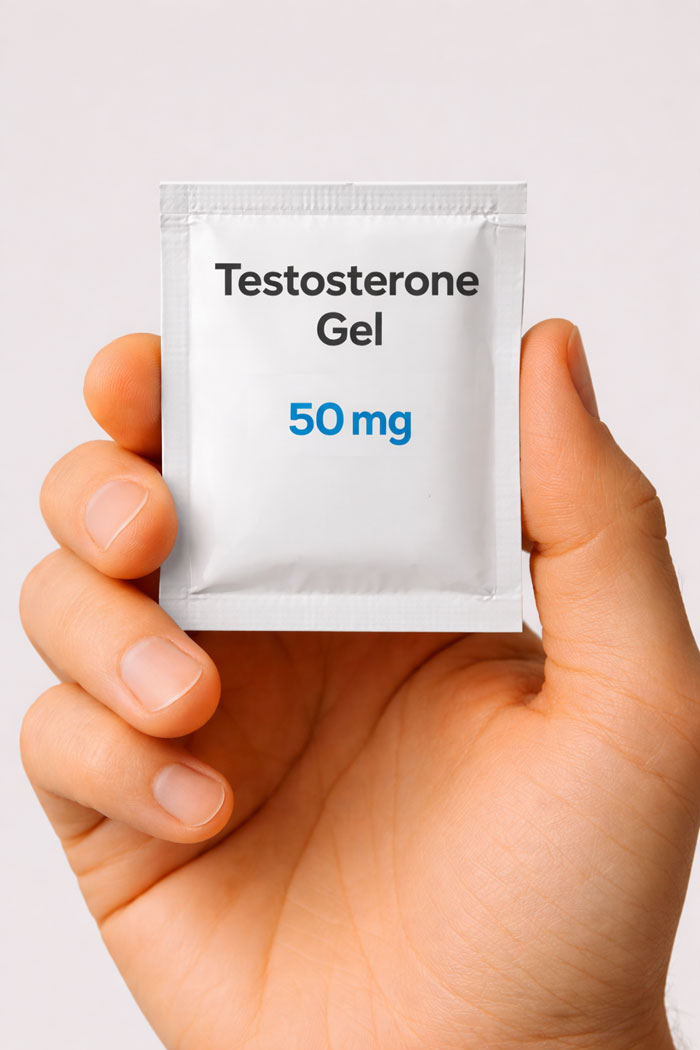
From a therapeutic standpoint, testosterone gel stands out through its ability to create a stable endocrine backdrop that supports metabolic, sexual, and psychological health. The gel format allows rapid initiation of therapy with straightforward dose adjustments based on serum testosterone measurements and clinical response. Many individuals value the absence of peaks and troughs that often accompany intramuscular injections, since abrupt fluctuations may be linked with mood swings, irritability, or transient overexposure. With consistent daily use, serum concentrations generally rise into the mid-normal range for healthy adult males, supporting red blood cell production, protein synthesis, and neuromuscular function while still permitting nuanced titration when laboratory or clinical parameters call for fine-tuning.
A notable strength of testosterone gel lies in its compatibility with modern lifestyles. Application is quick, does not require needles or special equipment, and can be integrated into morning routines with minimal disruption. This convenience frequently translates into higher adherence over the long term, a critical factor in chronic endocrine therapy. For many men, the gel becomes a discreet component of daily self-care, free from the scheduling challenges of injection appointments or the invasiveness of subcutaneous implants. The transparent, fast-drying formulations available today further enhance acceptance, as they leave no visible residue and are virtually undetectable once absorbed.
| Therapy Form | Pharmacokinetic Profile | Convenience for Daily Use |
|---|---|---|
| Transdermal testosterone gel | Smooth daily curve with modest fluctuation | High; non-invasive, needle-free application |
| Intramuscular injections | Pronounced peaks and troughs between doses | Moderate; requires scheduled injections |
| Oral testosterone formulations | Variable levels influenced by first-pass metabolism | High; simple ingestion but with hepatic exposure |
Beyond symptom relief, testosterone gel exerts a broad influence on key physiological systems that are tightly coupled to androgen status. Restoration of testosterone frequently correlates with improved lean body mass, reduced visceral adiposity, and enhanced insulin sensitivity, all of which support cardiometabolic resilience. Many men report renewed vitality, deeper engagement in physical activity, and improved quality of sleep once androgen levels are normalized. Cognitive domains such as attentional focus, mental clarity, and drive may also benefit from sustained hormonal correction, further reinforcing the perception of comprehensive rejuvenation rather than a narrow symptomatic fix.
Another compelling aspect of testosterone gel therapy is its adaptability across a spectrum of hypogonadal presentations, ranging from primary testicular failure to central (hypothalamic–pituitary) forms of deficiency. The same transdermal platform can serve relatively young men with classical hypogonadotropic hypogonadism and older individuals with age-related testosterone decline, with dosing tailored to target ranges appropriate for each scenario. This versatility, combined with a strong safety and efficacy record in diverse populations, has made testosterone gel a cornerstone modality in the contemporary management of male androgen deficiency, offering a refined blend of physiological replacement, lifestyle compatibility, and long-term sustainability.
Pharmacological Profile and Transdermal Mechanism of Action
Testosterone gel contains bioidentical testosterone, chemically indistinguishable from endogenous hormone produced by the Leydig cells of the testes. Once applied to intact, dry skin, the alcohol-based or hydroalcoholic vehicle enhances percutaneous penetration, allowing testosterone molecules to traverse the stratum corneum and reach the dermal microcirculation. From there, testosterone enters the systemic circulation and distributes to target tissues, where it binds to androgen receptors or undergoes enzymatic conversion to dihydrotestosterone (DHT) via 5α-reductase or to estradiol via aromatase. This elegant pathway provides a gradual, sustained influx of hormone, aligning closely with physiological diurnal secretion patterns without overwhelming hepatic metabolic capacity.
The pharmacokinetic profile of transdermal testosterone gel is characterized by a relatively rapid initial rise in serum concentrations within the first several hours after application, followed by a plateau phase that persists throughout the day. Steady-state levels are typically achieved within a few days of consistent daily use, enabling prompt clinical assessment and early dose adjustments where necessary. By bypassing the gastrointestinal tract and first-pass hepatic metabolism, the gel reduces the risk of hepatic enzyme perturbation associated with some older oral androgen formulations. This route also allows more predictable exposure, as absorption is influenced primarily by skin characteristics and application technique rather than variable gastrointestinal factors.
At the cellular level, circulating testosterone diffuses across cell membranes and binds to intracellular androgen receptors, forming a hormone–receptor complex that translocates to the nucleus and modulates gene transcription. This genomic action orchestrates a wide array of anabolic and androgenic effects, including stimulation of protein synthesis in skeletal muscle, promotion of erythropoiesis in the bone marrow, maintenance of trabecular bone integrity, and regulation of libido and erectile physiology through central and peripheral pathways. Non-genomic actions, such as rapid modulation of ion channels and intracellular signaling cascades, further contribute to acute effects on mood, vascular tone, and neuromuscular function, highlighting the multi-layered influence of testosterone restoration.
- Transdermal delivery provides a controlled, steady influx of testosterone into systemic circulation.
- Bioidentical composition ensures natural receptor binding and downstream signaling.
- Bypassing first-pass metabolism supports hepatic safety compared with many oral androgens.
- Daily application permits fine-tuned dose adjustments guided by serum levels.
- Stable exposure minimizes extreme hormonal peaks and troughs associated with some injectables.
The metabolism of testosterone delivered via gel follows classical androgen pathways, with hepatic and peripheral tissues converting the hormone into active and inactive metabolites. DHT, generated primarily in androgen-sensitive tissues such as skin, prostate, and hair follicles, exhibits higher affinity for the androgen receptor and contributes to many peripheral effects of therapy. Aromatization to estradiol plays a vital role in maintaining bone mineral density, modulating lipid metabolism, and influencing aspects of emotional well-being and sexual function. The balance among testosterone, DHT, and estradiol can be monitored through laboratory assessments, allowing nuanced interpretation of therapeutic response and potential side effects such as changes in hematocrit, prostate parameters, or skin condition.
Interindividual variability in transdermal absorption represents an important pharmacological consideration, as factors such as skin thickness, hydration, age, body composition, and concomitant topical products can influence delivery efficiency. Despite this variability, most men achieve target serum levels within the recommended dosing range when application sites and schedules are optimized. The reversibility of treatment is another major pharmacological advantage: if dose reduction or discontinuation becomes desirable, serum testosterone levels decline relatively quickly once applications stop, providing a safety buffer not always available with long-acting depot preparations. This combination of controllable exposure, rapid attainment of steady state, and predictable reversibility underscores the sophisticated pharmacological design of testosterone gel.
Clinical Rationale for Testosterone Replacement Therapy
The clinical rationale for testosterone replacement therapy with gel formulations arises from the central role of testosterone in male physiology and quality of life. Hypogonadism, whether primary or secondary, deprives tissues of adequate androgen signaling, leading to a constellation of symptoms that span sexual, somatic, and psychological domains. Reduced libido, erectile difficulties, chronic fatigue, loss of muscle mass, increased fat accumulation, and depressed mood often coexist, creating a pervasive decline in vitality. Restoring testosterone to physiologic levels addresses the underlying endocrine deficit rather than merely masking individual symptoms, aligning therapy with the pathophysiology of androgen deficiency.
Testosterone influences nearly every component of male body composition, from bone and muscle to visceral adipose tissue. Deficiency accelerates sarcopenia and osteopenia, raising the risk of frailty, falls, and fractures, especially in aging men. By reestablishing anabolic signaling, testosterone gel supports protein synthesis, enhances muscle strength, and contributes to preservation or improvement of bone mineral density. These structural benefits translate into practical gains such as improved physical performance, greater endurance, and a more robust capacity for everyday activities. For many men, the shift from chronic weakness to renewed physical competence serves as one of the most tangible rewards of consistent replacement therapy.
Metabolic health provides another compelling justification for androgen restoration. Low testosterone levels correlate with central obesity, insulin resistance, dyslipidemia, and an unfavorable inflammatory profile, all of which converge into the metabolic syndrome and elevate cardiovascular risk. Clinical observations indicate that normalizing testosterone can reduce visceral fat, modestly improve insulin sensitivity, and promote more favorable lipid patterns, particularly when combined with an active lifestyle. While testosterone gel is not a stand-alone metabolic therapy, it often acts as a powerful enabler, making physical activity more feasible and rewarding and catalyzing broader lifestyle improvements that amplify cardiometabolic protection.
| Clinical Domain | Impact of Hypogonadism | Potential Effect of TRT with Gel |
|---|---|---|
| Sexual function | Low libido, weaker erections, reduced satisfaction | Enhanced desire, improved erectile quality, better performance |
| Body composition | Loss of muscle mass, increased abdominal fat | Greater lean mass, reduced visceral adiposity |
| Mood and cognition | Low mood, irritability, cognitive slowing | Improved mood stability, sharper focus, higher motivation |
| Skeletal health | Accelerated bone loss, fracture risk | Better bone density, stronger skeletal framework |
Psychological well-being forms a crucial pillar of the rationale for testosterone replacement. Many hypogonadal men describe a blunting of emotional range, diminished ambition, and a sense of detachment from previously enjoyable activities. Restored androgen signaling can reawaken drive, confidence, and engagement with work, relationships, and personal pursuits. These shifts are not merely subjective; they reflect neurobiological effects of testosterone on neurotransmitter systems, brain connectivity, and reward pathways. As mood stabilizes and cognitive clarity returns, adherence to broader health interventions often improves, creating a virtuous cycle in which endocrine balance supports mental resilience and purposeful living.
The final rationale centers on long-term functional independence and healthy aging. Persistent hypogonadism accelerates many hallmarks of decline, from reduced muscle power and balance to impaired sexual intimacy and social withdrawal. Testosterone gel, by providing precise and adjustable replacement, offers a practical route to slow or reverse several of these trajectories. When initiated in appropriately selected men and monitored with diligence, therapy can help preserve autonomy, maintain active participation in family and community life, and support a sense of personal identity that hinges on vigor, capability, and relational closeness.
Indications for Use in Androgen Deficiency Disorders
Testosterone gel is indicated for men with documented androgen deficiency due to identifiable disturbances in the hypothalamic–pituitary–testicular axis. Classic primary hypogonadism includes conditions where the testes fail to produce adequate testosterone despite normal or elevated gonadotropins, such as Klinefelter syndrome, anorchia, or testicular damage from chemotherapy, radiation, infection, or trauma. Secondary hypogonadism arises when hypothalamic or pituitary dysfunction leads to insufficient gonadotropin stimulation of the testes, as seen in pituitary adenomas, infiltrative diseases, congenital GnRH deficiency, or functional suppression from severe systemic illness. In both scenarios, testosterone gel serves as a physiologic replacement modality that can restore serum levels to the desired range when endogenous production remains persistently inadequate.
Another major indication encompasses symptomatic men with consistently low morning serum testosterone confirmed on repeated measurements, after excluding transient or reversible causes. These individuals may present with decreased libido, erectile difficulties, fatigue, reduced muscle strength, increased abdominal fat, low mood, or diminished concentration. When biochemical evidence of androgen deficiency aligns with this clinical picture, transdermal gel provides a flexible platform for individualized therapy. The topical route is particularly attractive for those who prefer to avoid injections or invasive procedures, and for individuals who benefit from the ability to adjust dosing in relatively small increments based on follow-up hormone profiles.
Age-related hypogonadism, often termed late-onset hypogonadism, represents a nuanced indication where declining testicular function intersects with comorbidities and lifestyle factors. In this context, testosterone gel may be considered for men with persistent, clinically significant symptoms and unequivocally low testosterone levels that cannot be explained solely by acute illness, obesity, or medications. The gel format allows cautious initiation at conservative doses, gradual titration, and close monitoring of hematologic, metabolic, and prostate-related parameters. For many older men, even moderate increases within the low-normal range can yield meaningful improvements in vitality, sexual function, and physical capacity, reinforcing the value of a carefully structured replacement strategy.
- Primary hypogonadism with testicular failure and low testosterone despite elevated gonadotropins.
- Secondary hypogonadism due to hypothalamic or pituitary dysfunction with low gonadotropins.
- Consistently low morning testosterone accompanied by characteristic symptoms of deficiency.
- Age-related androgen decline with functional impairment and confirmed biochemical hypogonadism.
- Post-therapeutic hypogonadism after gonadotoxic chemotherapy, radiotherapy, or orchiectomy.
Functional hypogonadism related to chronic systemic disease, obesity, or certain medications also enters the discussion of indications, though the decision to initiate testosterone gel in these settings requires particular nuance. Conditions such as type 2 diabetes, chronic kidney disease, and obstructive sleep apnea are frequently associated with suppressed testosterone levels through complex inflammatory and metabolic pathways. When lifestyle optimization and management of underlying disease do not normalize androgen status and symptoms remain burdensome, testosterone gel may be selected as part of a broader, integrated strategy. The ability to start at modest doses and monitor response closely adds a layer of safety in these more complex clinical landscapes.
There are also specific scenarios where testosterone gel plays a role in gender-affirming hormone regimens for transmasculine individuals, providing a controllable route for inducing and maintaining masculinizing effects. The transdermal formulation allows gradual escalation to target levels, facilitating careful observation of physical changes, hematologic parameters, and cardiometabolic markers. Beyond this, the gel may be used in selected cases of delayed puberty in males with permanent hypogonadism, although other formulations are often preferred in early pubertal induction. Across these varied indications, the common denominator is a sustained deficiency of biologically active testosterone that meaningfully impairs health and well-being, for which transdermal replacement offers a sophisticated and adaptable solution.
Testosterone Gel in Ambulatory Urological Practice
Within ambulatory urological practice, testosterone gel occupies a prominent position as a versatile tool for managing men with hypogonadism, erectile dysfunction, and complex lower urinary tract symptoms linked to endocrine imbalance. Urology clinics frequently encounter individuals whose primary complaint is sexual dysfunction, yet whose underlying issue is suboptimal androgen status rather than isolated vascular or psychogenic factors. In such cases, comprehensive evaluation often reveals low serum testosterone levels that correlate with diminished libido, impaired nocturnal erections, and reduced spontaneous sexual thoughts. Introducing testosterone gel into the therapeutic plan can revitalize sexual physiology, amplifying the effects of phosphodiesterase type 5 inhibitors and improving overall satisfaction with intimate life.
Ambulatory urology settings also manage a substantial population of men after prostate cancer therapies, benign prostatic hyperplasia interventions, or testicular surgeries. In selected patients who have undergone curative treatment for localized prostate cancer and maintain stable disease parameters, carefully monitored testosterone gel therapy may be considered to address severe hypogonadal symptoms. The transdermal route provides a controllable method for reintroducing testosterone, allowing close observation of prostate-specific antigen dynamics and urinary function. For men with a history of orchiectomy or testicular atrophy following oncologic or surgical procedures, gel-based replacement helps restore hormonal balance, supporting sexual health, energy, and bone protection in the long term.
Erectile dysfunction often reflects a multifactorial interplay of vascular, neurogenic, psychological, and hormonal influences. In men with documented low testosterone, urology practitioners frequently integrate testosterone gel with other modalities to achieve optimal outcomes. Androgen restoration enhances nitric oxide synthase activity within penile tissue, improves cavernosal smooth muscle responsiveness, and augments libido, thereby increasing the likelihood of satisfactory erectile responses to oral or intracavernosal agents. The daily nature of gel application supports continuous androgenic support rather than episodic boosts, aligning with the requirement for sustained hormonal signaling to maintain penile tissue integrity and responsiveness.
| Urological Scenario | Role of Testosterone Gel | Key Clinical Objective |
|---|---|---|
| Hypogonadism with erectile dysfunction | Baseline androgen restoration alongside ED therapies | Improve libido and erectile response capacity |
| Post-orchiectomy or testicular damage | Physiologic replacement of lost testicular function | Support sexual function, mood, and bone health |
| Post-prostate cancer treatment (selected cases) | Cautious reintroduction of testosterone under strict monitoring | Relieve severe hypogonadal symptoms without compromising oncologic control |
Lower urinary tract symptoms (LUTS) and benign prostatic hyperplasia (BPH) often coexist with hypogonadism, creating a complex therapeutic landscape. While concerns historically centered on the potential for testosterone to exacerbate prostate growth, contemporary data suggest that restoring deficient testosterone to physiologic levels does not necessarily worsen LUTS and may, in some contexts, stabilize or even modestly improve urinary function through systemic metabolic benefits. In ambulatory urology practice, testosterone gel is often introduced in tandem with α-blockers or 5α-reductase inhibitors, with careful tracking of symptom scores, flow rates, and residual urine volumes. The gel’s adjustability allows dose modification if prostate-related parameters demand a more conservative hormonal milieu.
Another dimension of testosterone gel use in urology involves its impact on post-surgical recovery and rehabilitation. Men undergoing procedures for Peyronie’s disease, penile prosthesis implantation, or reconstructive surgeries may experience better rehabilitation trajectories when underlying androgen deficiency is corrected. Adequate testosterone levels support tissue healing, collagen remodeling, and muscular strength, all of which contribute to functional recovery and patient satisfaction with surgical outcomes. By integrating testosterone gel into multidisciplinary care pathways, ambulatory urology practices can address not only structural and mechanical issues but also the hormonal foundation that underpins sexual and urinary health.
Clinical Data on Efficacy and Safety of Therapy
Clinical investigations of testosterone gel have consistently demonstrated robust efficacy in normalizing serum testosterone levels and alleviating symptoms of hypogonadism across diverse populations. Trials involving men with primary and secondary hypogonadism show that a majority achieve target testosterone concentrations within the reference range after several days to weeks of daily application. Symptomatic improvements typically emerge in a phased manner: libido and energy often respond within weeks, while changes in body composition, bone mineral density, and metabolic parameters evolve over months. These outcomes parallel those of injectable formulations, with the added advantage of smoother pharmacokinetics and flexible dose adjustments.
Sexual function stands among the most thoroughly documented domains of benefit. Randomized and open-label studies indicate that men treated with testosterone gel report higher sexual desire scores, more frequent sexual thoughts, and improved erectile quality compared with baseline. Nocturnal penile tumescence often increases, reflecting enhanced physiological readiness for sexual activity. When combined with phosphodiesterase type 5 inhibitors in men with concomitant vascular erectile dysfunction, testosterone normalization further augments response rates, suggesting a synergistic interplay between restored androgen signaling and pharmacologic vasodilation. These findings underscore the central role of testosterone in orchestrating the complex neurovascular cascade underlying male sexual performance.
Body composition and musculoskeletal health also respond favorably to sustained gel therapy. Clinical data reveal increases in lean body mass, reductions in fat mass—particularly visceral adiposity—and gains in muscle strength after several months of treatment. Dual-energy X-ray absorptiometry assessments demonstrate progressive improvements in bone mineral density at the lumbar spine and hip, translating into better skeletal resilience over time. These structural changes carry tangible functional benefits: enhanced gait speed, stronger grip strength, and greater exercise tolerance. For aging men at risk of sarcopenia and osteoporotic fractures, testosterone gel represents a pivotal component of a broader strategy to preserve independence and physical capability.
- High rates of normalization of serum testosterone within the physiological range.
- Consistent improvements in libido, erectile function, and sexual satisfaction.
- Favorable shifts in body composition with more lean mass and less visceral fat.
- Gradual gains in bone mineral density and muscular strength.
- Predictable safety profile with manageable, monitorable adverse events.
The safety profile of testosterone gel has been characterized in both short-term trials and long-term observational cohorts. Commonly reported adverse effects include mild skin irritation at application sites, increased hematocrit, acne or oily skin, and modest rises in prostate-specific antigen within the normal range. These events are usually dose-related and amenable to adjustment of therapy or supportive measures. The transdermal route has not been associated with the hepatic toxicity seen with certain oral 17α-alkylated androgens, reflecting its avoidance of first-pass metabolism. Concerns about cardiovascular risk have generated extensive research; current data suggest that when testosterone gel is used to restore deficient levels within physiologic limits and patients are monitored for hematocrit, lipids, and blood pressure, the therapy can be integrated safely into comprehensive cardiovascular risk management.
Long-term surveillance studies contribute valuable insights into the durability of efficacy and the evolution of safety parameters over years of use. Men who maintain stable testosterone replacement with gel often preserve gains in sexual function, mood, and body composition, indicating that benefits do not wane with time provided that serum levels remain within target ranges. Monitoring of prostate health, hematologic indices, and cardiometabolic markers allows early detection of any emerging concerns, facilitating prompt intervention such as dose reduction, temporary discontinuation, or additional diagnostic workup. This extensive evidence base supports testosterone gel as a well-studied, reliable modality for chronic androgen replacement when deployed within a structured monitoring framework.
Stabilization of Testosterone Levels During Treatment
One of the defining virtues of testosterone gel therapy is its capacity to stabilize serum testosterone levels within a physiologic window, minimizing the pronounced peaks and troughs that characterize some injectable regimens. After morning application to recommended skin sites, serum concentrations rise gradually, typically reaching a plateau within several hours and then declining slowly toward the next dosing interval. This profile produces a diurnal rhythm that approximates natural endogenous secretion, particularly when doses are timed consistently each day. The avoidance of supraphysiologic peaks reduces the likelihood of transient side effects such as mood lability, irritability, or excessive erythropoiesis, while the prevention of deep troughs limits fatigue, low mood, and sexual dysfunction at the end of the dosing cycle.
Steady hormonal exposure exerts profound effects on multiple organ systems that rely on continuous androgen signaling. Skeletal muscle, for example, responds more favorably to a stable anabolic environment than to intermittent surges followed by periods of relative deprivation. Consistent testosterone levels support ongoing protein synthesis, mitochondrial function, and neuromuscular coordination, promoting sustained improvements in strength and endurance. Similarly, bone remodeling benefits from uninterrupted androgenic support, with osteoblast activity and bone matrix deposition proceeding more efficiently when testosterone remains within a steady physiologic band. This constancy helps explain why transdermal regimens often yield gradual yet durable gains in bone mineral density and muscular performance.
Mood and cognitive function are equally sensitive to hormonal stability. Sudden fluctuations in testosterone can influence neurotransmitter systems, neurosteroid synthesis, and limbic circuitry, potentially contributing to irritability or emotional volatility. Testosterone gel mitigates these swings by providing a daily, predictable infusion of hormone, thereby fostering a more even emotional landscape. Many men describe a smoother sense of well-being, with fewer abrupt mood changes compared with their experiences on long-interval injections. Cognitive domains such as focus, working memory, and mental stamina may also benefit from stable androgen exposure, as brain regions involved in executive function and motivation receive consistent hormonal input.
| Therapy Modality | Hormonal Fluctuation Pattern | Clinical Implication for Stability |
|---|---|---|
| Daily testosterone gel | Smooth curve with modest day-to-day variation | Supports steady mood, energy, and sexual function |
| Biweekly intramuscular injections | High peaks soon after injection, low troughs before next dose | Risk of transient overexposure and end-of-cycle fatigue |
| Long-acting depot formulations | Extended exposure with gradual decline over weeks | Fewer injections but less flexibility for rapid dose changes |
Achieving and maintaining hormonal stabilization with gel requires attention to application consistency, dose selection, and periodic laboratory assessment. When dose remains constant and application sites are rotated within recommended areas, day-to-day variability in serum testosterone tends to be modest. If follow-up measurements reveal levels outside the desired range, small adjustments in the daily amount usually suffice to restore balance. Because the pharmacokinetics of gel are relatively fast, changes in dose translate into new steady-state concentrations within several days, allowing responsive fine-tuning. This agility distinguishes transdermal therapy from long-acting depot preparations, where dose modifications may take weeks to manifest fully.
Hormonal stabilization also carries safety advantages. A stable testosterone milieu reduces the risk of abrupt hematocrit surges that could occur with high peak levels, and it facilitates interpretation of laboratory trends over time. Prostate-specific antigen dynamics, lipid profiles, and glycemic markers can be monitored against a backdrop of consistent androgen exposure, making it easier to attribute changes to therapy, comorbidities, or aging processes. For men engaged in structured exercise or weight-loss programs, stable testosterone levels provide a reliable endocrine foundation upon which to build muscular and metabolic adaptations, enhancing the predictability and sustainability of health gains.
Principles of Dose Selection and Individualized Titration
Dose selection for testosterone gel begins with a clear assessment of baseline androgen status, symptom burden, age, comorbidities, and therapeutic goals. Initial dosing typically aims for the lower to mid-range of available strengths, striking a balance between effective symptom relief and safety. Starting conservatively allows observation of individual absorption characteristics, as transdermal uptake can vary due to skin properties, body composition, and concurrent topical products. Early follow-up measurements of morning serum testosterone guide the first set of adjustments, revealing whether the initial dose delivers concentrations within the desired physiologic window or requires upward or downward modification.
Individualized titration revolves around harmonizing biochemical targets with clinical response. Some men experience substantial symptomatic improvement at mid-normal testosterone levels, while others may require levels closer to the upper half of the reference range for optimal energy, libido, and cognitive performance. During titration, changes in dose are usually made in modest increments to prevent overshooting and to respect the delayed manifestation of some benefits, such as body composition shifts and bone density gains. Laboratory monitoring focuses not only on total testosterone but also on hematocrit, prostate-specific antigen, lipid profile, and, when indicated, estradiol, since aromatization can influence both skeletal and cardiovascular outcomes.
Age and comorbidity profile exert strong influence on titration strategy. Younger men with classical hypogonadism and otherwise robust health may tolerate and benefit from more assertive dosing within the physiological range, whereas older individuals with cardiovascular risk factors, sleep apnea, or borderline hematocrit values often follow a more cautious path. In such cases, target testosterone levels may be set in the low to mid-normal range to balance symptomatic relief with hematologic and cardiovascular safety. The gel’s flexibility allows incremental dose modifications in response to evolving clinical circumstances, such as weight loss, new medications, or changes in physical activity that alter hormone requirements.
- Baseline serum testosterone and symptom profile shape the initial gel dose.
- Early follow-up levels inform whether upward or downward titration is warranted.
- Hematocrit, PSA, and metabolic markers guide safe dose boundaries.
- Age and comorbidities influence target testosterone ranges during titration.
- Small, stepwise adjustments support precise, individualized hormonal control.
Seasonal factors, adherence patterns, and skin condition can also affect dose needs over time. For instance, changes in daily routines, travel, or concurrent dermatologic treatments may subtly alter absorption, prompting reassessment of serum levels and potential dose refinement. When laboratory or clinical indicators suggest excessive exposure—such as rising hematocrit, oily skin, or increased irritability—downward titration often restores equilibrium without sacrificing core benefits. Conversely, persistent fatigue, low libido, or subtherapeutic testosterone levels despite consistent application may warrant cautious dose escalation, always framed within established safety parameters and accompanied by follow-up testing.
Long-term dose optimization is a dynamic process rather than a one-time calculation. As men age, lose or gain weight, develop new health conditions, or modify their exercise and dietary patterns, their androgen requirements may shift. Testosterone gel, with its granularity of dosing and rapid attainment of new steady states, excels in adapting to these changes. Periodic re-evaluation of both objective metrics and subjective well-being ensures that therapy remains aligned with current needs, neither under-treating hypogonadism nor drifting into unnecessary hormonal excess. This ongoing calibration helps sustain the therapeutic sweet spot where vitality, safety, and quality of life intersect.
Monitoring and Follow-Up During Long-Term Testosterone Gel Use
Long-term therapy with testosterone gel thrives on structured monitoring and thoughtful follow-up, which together safeguard safety while preserving the impressive benefits of androgen restoration. Regular assessment of serum testosterone levels confirms that dosing continues to achieve physiologic concentrations and that absorption remains stable over time. Measurements are typically obtained in the morning, at a consistent interval after gel application, to minimize variability and allow meaningful comparison across visits. When values drift outside the target range, dose adjustments or refinements in application technique can restore hormonal balance before symptoms or adverse effects emerge.
Hematologic monitoring holds central importance, as testosterone stimulates erythropoiesis and can increase hematocrit and hemoglobin. Periodic complete blood counts allow early detection of rising hematocrit, which, if left unchecked, may elevate blood viscosity and thrombotic risk. When hematocrit approaches upper acceptable limits, dose reduction, altered application frequency, or therapeutic phlebotomy can be considered within individualized management plans. Tracking trends over time provides more insight than isolated measurements, revealing whether a patient has a stable hematologic response or a progressive trajectory that requires intervention.
Prostate health surveillance forms another cornerstone of follow-up during testosterone gel use. Baseline and periodic prostate-specific antigen measurements, combined with digital rectal examination where appropriate, help identify changes that warrant closer evaluation. Although physiologic testosterone replacement in hypogonadal men has not been shown to dramatically increase prostate cancer risk when monitored correctly, vigilance remains prudent, especially in older men or those with prior prostatic disease. Observing PSA velocity and comparing values with pre-treatment baselines enables timely referral for further diagnostic workup if concerning patterns arise, such as rapid PSA elevation or new urinary symptoms.
| Monitoring Parameter | Rationale During TRT | Typical Clinical Response |
|---|---|---|
| Serum testosterone | Confirm adequate replacement and guide dose adjustments | Modify gel dose or application pattern if levels drift from target |
| Hematocrit and hemoglobin | Detect excessive erythropoiesis and viscosity risk | Reduce dose or consider phlebotomy when levels approach upper limits |
| Prostate-specific antigen | Track prostate response and identify suspicious trends | Arrange further evaluation if PSA rises rapidly or exceeds thresholds |
Metabolic and cardiovascular markers also merit attention during long-term testosterone gel therapy. Regular evaluation of lipid profiles, fasting glucose or HbA1c, blood pressure, and waist circumference provides a comprehensive picture of cardiometabolic health. Many men experience favorable shifts in body composition and insulin sensitivity with androgen restoration, but individual responses vary, particularly in the presence of obesity, diabetes, or established cardiovascular disease. Continuous dialogue about lifestyle factors—physical activity, nutrition, sleep quality, and stress management—enhances the impact of hormonal therapy, as testosterone gel works best when embedded within a broader framework of preventive care and risk factor modification.
Monitoring should also encompass subjective domains that strongly influence quality of life: sexual satisfaction, energy, mood stability, cognitive sharpness, and sleep patterns. Standardized questionnaires or structured interviews can capture these aspects systematically, allowing clinicians and patients to track progress and identify areas requiring additional support. Over time, this holistic follow-up approach transforms testosterone gel therapy from a simple prescription into a personalized, evolving program that responds to changing health circumstances, ensuring that each year of treatment continues to deliver meaningful, well-balanced benefits.
Pricing Factors and Availability of Testosterone Gel
Pricing and availability of testosterone gel are shaped by a complex interplay of manufacturing costs, regulatory frameworks, distribution channels, and market competition. Brand-name formulations typically command higher prices due to research and development investments, marketing, and proprietary delivery technologies that optimize absorption and user experience. Generic versions, when available, often reduce direct costs substantially while maintaining equivalent active ingredients and comparable pharmacokinetic profiles. Regional variations in healthcare systems, reimbursement policies, and insurance coverage further influence out-of-pocket expenses, creating a diverse landscape where affordability can differ markedly between countries and even within the same nation.
Supply chain logistics also play a critical role in availability. Testosterone gel requires stringent quality control during production, including precise dosing of active hormone, standardized vehicle composition, and rigorous stability testing across temperature and humidity ranges. Manufacturers must comply with Good Manufacturing Practice standards, and regulatory agencies routinely inspect facilities to ensure product integrity. Once released, the gel moves through wholesalers, pharmacies, and sometimes direct-to-patient distribution models, each adding layers of cost and potential variability in local stock levels. Periodic shortages may occur due to manufacturing upgrades, raw material constraints, or unexpected surges in demand, underscoring the value of diversified suppliers and robust inventory management.
Retail pricing often differs between community pharmacies, large pharmacy chains, mail-order services, and online platforms. Brick-and-mortar pharmacies may offer the advantage of immediate access, while mail-order or subscription services sometimes provide lower unit costs for long-term users. Discount programs, manufacturer coupons, and patient assistance initiatives can further mitigate financial barriers, particularly for individuals without comprehensive insurance coverage. Awareness of these options significantly broadens access, allowing more men with hypogonadism to maintain consistent therapy without interruption due to cost constraints.
- Brand-name gels tend to be more expensive but may feature proprietary delivery systems.
- Generic formulations usually offer substantial cost savings with equivalent active hormone.
- Insurance coverage, reimbursement policies, and co-pay structures strongly influence final cost.
- Online and mail-order pharmacies can provide competitive pricing for chronic users.
- Assistance programs and discount cards help bridge affordability gaps for eligible individuals.
Geographical and regulatory factors add another layer of complexity to pricing and availability. Some countries classify testosterone gel as a strictly controlled substance with tight prescribing regulations, while others adopt more flexible frameworks that still emphasize safety and monitoring. These policies affect not only who can receive therapy but also which formulations enter the market and at what price points. Exchange rates, import tariffs, and local manufacturing capabilities further modulate costs. In regions where domestic production is limited, reliance on imported brands can elevate prices, whereas local manufacturing under license may reduce expenses and ensure steadier supply.
Digital health innovations are reshaping access to testosterone gel by integrating telemedicine consultations, electronic prescriptions, and home delivery services. These models streamline the process from evaluation to treatment initiation, often bundling laboratory testing, follow-up, and medication supply into cohesive packages. While pricing structures vary, many of these platforms leverage bulk purchasing and direct distribution to offer competitive rates. As digital ecosystems mature, men in remote or underserved areas gain improved access to high-quality testosterone gel therapy, narrowing geographic disparities and enabling more consistent management of hypogonadism over the long term.
Generic Options and International Branded Formulations
The global market for testosterone gel encompasses a rich spectrum of branded and generic formulations, each designed to deliver bioidentical testosterone through the skin with high reliability. Branded products often debut first, pioneering novel transdermal vehicles, innovative packaging such as metered-dose pumps or unit-dose sachets, and user-friendly application systems that enhance adherence. Over time, as patents expire and regulatory pathways open, generic manufacturers introduce equivalent formulations that match the reference product in active ingredient, strength, and bioavailability. This evolution broadens therapeutic choice, fosters price competition, and enables more individualized selection based on patient preferences, cost considerations, and regional availability.
Branded testosterone gels typically differentiate themselves through proprietary delivery technologies that optimize skin penetration and minimize residue. Some employ specialized penetration enhancers, while others focus on quick-drying, low-odor vehicles that integrate seamlessly into morning routines. Packaging design also varies: pumps allow precise metering of each dose, whereas sachets provide premeasured units that simplify adherence tracking. These user-centric innovations can be particularly valuable for men who prioritize discretion, speed, and ease of use, as they reduce friction points that might otherwise undermine consistent daily application.
Generic testosterone gels, once approved, must demonstrate pharmaceutical equivalence and comparable systemic exposure to their branded counterparts, often through bioequivalence studies. Although excipient compositions may differ slightly, regulators require that these differences do not meaningfully alter safety, efficacy, or absorption profiles. For many men, generics offer an attractive balance between clinical reliability and affordability, especially when long-term therapy is anticipated. Pharmacies may automatically substitute generic versions when permitted by local regulations, further driving down costs and expanding access to sustained androgen replacement.
- Branded gels frequently introduce advanced transdermal vehicles and packaging systems.
- Generics provide cost-effective alternatives with equivalent active hormone and strength.
- Pump dispensers support precise dose metering, while sachets simplify unit dosing.
- Regional regulatory frameworks shape which brands and generics reach local markets.
- Choice among products allows tailoring to lifestyle, skin sensitivity, and budget.
Internationally, brand names and formulations vary widely, with certain products dominating specific regions based on historical presence, marketing strategies, and regulatory approvals. In some markets, only one or two major brands may be available, while others host a competitive field of multiple gels differing in concentration, vehicle type, and packaging. Cross-border travelers who rely on testosterone gel often encounter unfamiliar brand names abroad, even though the underlying hormone and therapeutic intent remain the same. Pharmacists and regulatory databases can help verify equivalence when substitutions become necessary due to temporary unavailability of a familiar product.
As the global testosterone gel market continues to evolve, innovation remains vibrant. Newer formulations aim to refine absorption kinetics, reduce application area, shorten drying time, and further minimize the risk of inadvertent transfer to others through skin contact. Some research efforts explore alternative transdermal carriers, such as microemulsions or novel polymers, that could enhance bioavailability while using lower nominal doses. This ongoing progress promises an expanding array of branded and generic options, empowering men and their care teams to select the product that best aligns with therapeutic goals, personal preferences, and economic realities.
Guidelines for the Safe Purchase of Testosterone Gel Under Medical Supervision
Safe acquisition of testosterone gel rests on the principle that this potent hormone requires thoughtful oversight, validated diagnosis, and authenticated supply chains. Testosterone is not a casual wellness product; it exerts far-reaching effects on hematologic, metabolic, reproductive, and cardiovascular systems. For that reason, reputable sources dispense testosterone gel only when a clear indication has been established, baseline laboratory evaluations have been performed, and a structured follow-up plan is in place. This framework protects individuals from inappropriate use, substandard products, and the health risks associated with unsupervised hormonal manipulation.
Legitimate pharmacies, whether community-based or online, operate under licensing and regulatory oversight that mandate quality assurance, proper storage, and traceable sourcing of testosterone gel. These outlets require a valid prescription and maintain records that support pharmacovigilance and refill monitoring. Packaging includes standardized labeling, batch numbers, and expiration dates, enabling swift response should any manufacturing issue arise. In contrast, unregulated vendors—often encountered on the internet—may sell products of uncertain origin, questionable potency, or contaminated composition, posing serious risks such as underdosing, overdosing, or exposure to harmful adulterants.
Medical supervision during purchase and ongoing use of testosterone gel ensures that therapy remains aligned with evolving health status. Regular consultations allow review of symptom trajectories, laboratory results, and any adverse events, informing decisions about dose adjustments or alternative treatments. Supervision also provides a safeguard against misuse in individuals without true hypogonadism, where exogenous testosterone might suppress endogenous production, compromise fertility, or exacerbate latent conditions. Through this partnership, testosterone gel becomes part of an integrated care plan rather than an isolated, self-directed intervention.
| Source Type | Regulatory Oversight | Key Safety Consideration |
|---|---|---|
| Licensed community pharmacy | High; subject to inspection and strict dispensing laws | Authentic product with documented storage and handling |
| Accredited online pharmacy | Moderate to high; requires verification in many regions | Prescription-based supply with traceable origin |
| Unregulated online vendor | Minimal or none | High risk of counterfeit or substandard testosterone products |
Telemedicine platforms have emerged as a modern conduit for safe access to testosterone gel, combining remote assessment, digital prescriptions, and home delivery. When operated within robust regulatory frameworks, these services can match the safety standards of in-person care while offering greater convenience, particularly for individuals in remote or underserved areas. Integrated laboratory testing—through home collection kits or partnerships with local labs—supports accurate diagnosis and monitoring, while secure messaging and virtual visits facilitate timely discussion of treatment responses and concerns. This model preserves the safeguards of medical supervision while leveraging technology to streamline the journey from evaluation to ongoing therapy.
Education about the risks of unsupervised testosterone use remains a vital component of safe purchasing practices. Misconceptions that testosterone gel is a benign performance enhancer or anti-aging elixir can drive individuals toward black-market products and self-directed regimens that ignore contraindications, monitoring needs, and long-term consequences. Clear, evidence-based communication about indications, benefits, and potential adverse effects empowers men to seek legitimate pathways for therapy and to recognize red flags such as vendors offering testosterone without any medical evaluation, unusually low prices, or products lacking proper labeling. In this way, informed consumers become active partners in safeguarding their own endocrine health while benefiting from the sophisticated capabilities of modern testosterone gel formulations.
The Role of Testosterone Gel in Modern Andrology and Urology
Testosterone gel has emerged as a central modality in modern andrology and urology, bridging the gap between precise endocrine correction and real-world practicality. Its transdermal delivery system aligns with contemporary priorities of personalization, safety, and lifestyle compatibility, enabling nuanced control over serum testosterone levels without the logistical burdens of frequent injections or invasive implants. As awareness of male hypogonadism grows and diagnostic practices become more refined, testosterone gel offers a scalable solution that can be tailored to a wide spectrum of clinical scenarios, from classical primary testicular failure to age-related androgen decline.
In andrology, testosterone gel underpins comprehensive strategies aimed at restoring sexual health, reproductive potential, and psychosocial well-being. While exogenous testosterone is not suitable for men actively pursuing fertility due to its suppressive effects on spermatogenesis, it plays a transformative role in those with irreversible testicular failure or completed family planning. By normalizing libido, erectile function, and overall vitality, gel-based therapy helps men reclaim integral aspects of identity and relational intimacy. Its flexibility also facilitates combination with targeted treatments for erectile dysfunction, Peyronie’s disease, and ejaculatory disorders, creating synergistic care pathways that address both hormonal and structural dimensions of male sexual medicine.
Within urology, testosterone gel contributes to a more holistic perspective on conditions traditionally viewed through a purely anatomical lens. Lower urinary tract symptoms, prostate health, and post-surgical recovery all intersect with systemic factors such as metabolism, inflammation, and endocrine status. By correcting hypogonadism, testosterone gel can indirectly influence these domains, improving muscle tone, exercise capacity, and metabolic resilience, which in turn support better urinary and sexual outcomes. Urologists increasingly recognize that sustainable success in managing complex male health issues often depends on addressing the hormonal foundation alongside procedural and pharmacologic interventions.
- Transdermal gel embodies the shift toward physiologic, patient-friendly testosterone replacement.
- Andrology leverages gel therapy to restore sexual function and psychosocial vitality.
- Urology integrates testosterone correction into broader strategies for LUTS and sexual dysfunction.
- Flexible dosing and rapid reversibility suit diverse ages and comorbidity profiles.
- Ongoing innovation in gel formulations continues to refine efficacy and user experience.
From a broader healthcare systems perspective, testosterone gel exemplifies the convergence of pharmacologic sophistication, regulatory rigor, and patient-centered design. Its success has encouraged more systematic screening for hypogonadism in men presenting with sexual, metabolic, or mood complaints, fostering earlier identification and treatment of androgen deficiency. As long-term data accumulate, clinicians gain deeper insight into how sustained, well-monitored testosterone normalization influences trajectories of aging, frailty, and chronic disease. This growing evidence base informs guidelines, educational initiatives, and quality metrics that shape the future of male health services.
Looking ahead, testosterone gel is poised to remain a flagship therapy in the armamentarium of andrology and urology, even as new delivery systems and adjunctive treatments emerge. Its proven ability to deliver stable, physiologic testosterone levels, combined with unparalleled flexibility for individualization, ensures enduring relevance in a field that increasingly values precision and personalization. As research continues to refine dosing strategies, safety monitoring, and integration with lifestyle interventions, testosterone gel will keep evolving from a simple replacement product into a cornerstone of comprehensive, life-spanning strategies for preserving male vitality, function, and well-being.