
Content
- Dapoxetine - A Clinically Relevant Approach to the Treatment of Premature Ejaculation
- Pharmacodynamic Properties and Characteristics of Action
- Clinical Indications Within Ejaculatory Function Disorders
- Access to Dapoxetine and What Patients Should Know
- Use of Dapoxetine in the Outpatient Management of Premature Ejaculation
- Evaluation of Efficacy Based on Clinical Study Data
- Time Course of Onset and Duration of the Therapeutic Effect
- Approaches to Selecting Dosing Regimens and Administration Schedules
- Price Comparison and Online Availability of Dapoxetine
- Generic Alternatives and International Branded Equivalents
- How to Safely Purchase Dapoxetine Online from Verified Suppliers
- The Role of Dapoxetine in Modern Urological and Sexological Practice
Dapoxetine - A Clinically Relevant Approach to the Treatment of Premature Ejaculation
Dapoxetine is a breakthrough oral medication developed specifically for the treatment of premature ejaculation (PE), and it stands apart from all earlier off-label approaches that were only partially suitable for this indication. Unlike traditional antidepressants that were simply repurposed, dapoxetine was engineered from the start with the goal of giving men rapid, predictable control over ejaculation while preserving natural sexual response. This targeted design means that the drug can be used “on demand,” just before intercourse, which fits the real-life needs of couples far better than daily antidepressant regimens. Men who previously felt that PE was an unchangeable part of their life can now rely on a focused pharmacological tool that directly addresses the neurochemical mechanisms behind rapid ejaculation.
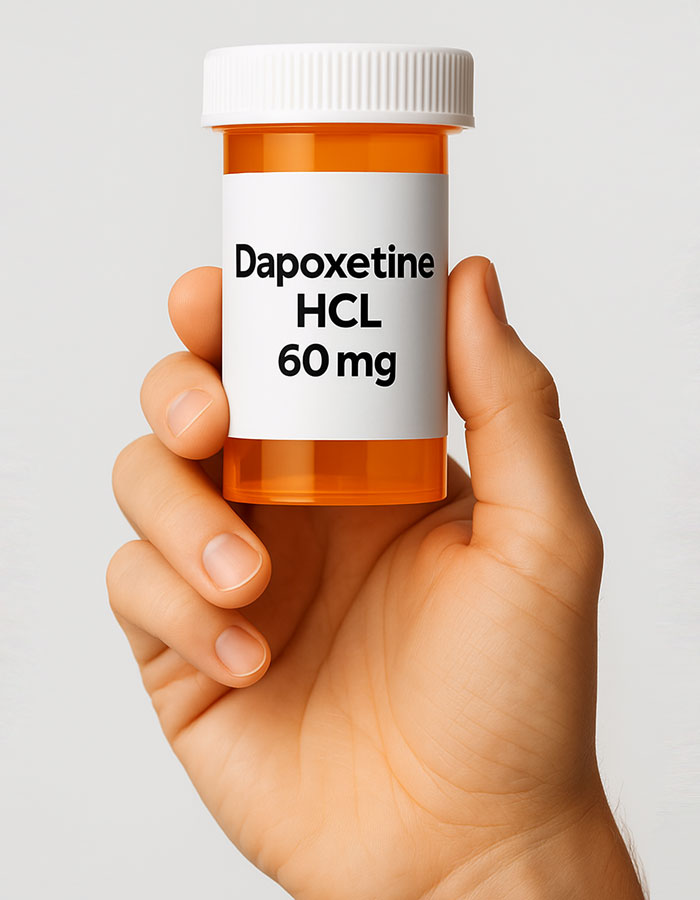
The key to the clinical relevance of dapoxetine lies in its ability to significantly prolong intravaginal ejaculatory latency time (IELT) and, just as importantly, to improve subjective control, sexual satisfaction, and reduction of distress. PE is not only a question of minutes on a stopwatch; it is a complex biopsychosocial condition that affects self-esteem, relationship stability, and emotional wellbeing. Dapoxetine has demonstrated robust benefits across these domains. Men frequently report a renewed sense of confidence, less performance anxiety, and the ability to focus on intimacy rather than fear of “finishing too soon.” These qualitative improvements translate into better communication with partners and a more relaxed, mutually satisfying sexual life.
A major advantage of dapoxetine is its flexible dosing strategy. Because it is taken one to three hours before anticipated sexual activity, patients can align medication use with their personal schedule. This is especially relevant for men who do not have frequent intercourse or who prefer not to be on chronic daily treatment. Clinical practice shows that many men appreciate the autonomy of choosing when to medicate and when not to, rather than being locked into a fixed routine. This on-demand approach also facilitates dose titration: a man may start at a lower dose, assess the degree of ejaculatory control and tolerability, and then adjust upward if necessary under medical supervision to reach an optimal balance.
Dapoxetine also integrates well into a broader therapeutic concept for PE that may include psychosexual counseling, behavioral techniques, and couple-oriented therapy. Many urologists and sexologists use dapoxetine as a pharmacological “bridge” that immediately reduces symptom severity, while parallel psychological work addresses anxiety, negative beliefs, and communication patterns. When men feel more secure thanks to better ejaculatory control, they are more open to explore sensuality, non-penetrative intimacy, and new sexual scripts with their partners. This synergy between a fast-acting medication and longer-term counseling often produces durable improvements that extend beyond the period of active drug use.
From a public health perspective, dapoxetine represents a major step toward normalizing the discussion of male sexual health and encouraging men to seek evidence-based care. Premature ejaculation is extremely common, yet many sufferers remain silent due to shame or misconceptions that “nothing can be done.” The availability of a dedicated, well-researched medication sends a strong message that PE is a legitimate, treatable condition rather than a personal failing. As more clinicians become familiar with dapoxetine and incorporate it into routine practice, men gain access to a structured, scientifically grounded pathway for regaining control over their sexual life and strengthening intimate relationships.
Pharmacodynamic Properties and Characteristics of Action
Dapoxetine belongs to the class of selective serotonin reuptake inhibitors (SSRIs), yet its pharmacodynamic profile differs markedly from classical antidepressant SSRIs. It has been optimized for rapid absorption, fast onset, and short elimination half-life, making it uniquely suited for on-demand use. At the neurochemical level, dapoxetine increases serotonin concentrations in key synaptic clefts within the central nervous system, particularly in spinal and supraspinal centers that orchestrate the ejaculatory reflex. By enhancing serotonergic tone in these circuits, the drug raises the threshold for ejaculation, thereby allowing more sustained sexual stimulation before climax occurs.
The pharmacodynamic action of dapoxetine primarily involves modulation of specific serotonin receptor subtypes, including 5-HT1A and 5-HT2C, which are known to influence ejaculatory latency. Research indicates that increased activation of inhibitory serotonergic pathways dampens the excitatory drive that would otherwise trigger rapid ejaculation. This neurochemical rebalancing does not abolish sexual pleasure or orgasmic capacity; instead, it stretches the time window during which pleasurable stimulation can be enjoyed. Men often describe the effect as “having more control over the moment,” rather than feeling numbed or disconnected from sexual sensations.
A notable characteristic of dapoxetine is its minimal impact on other neurotransmitter systems compared with older antidepressants. Many traditional SSRIs and tricyclic agents influence noradrenaline, histamine, and cholinergic receptors, which can lead to sedation, weight gain, or anticholinergic side effects. Dapoxetine’s receptor binding profile is relatively clean, focusing on serotonin transporters with limited off-target interactions. This selectivity contributes to a favorable tolerability profile when used at recommended doses. Most adverse effects, such as mild nausea or transient dizziness, tend to be dose-dependent, short-lived, and manageable through appropriate counseling and dose adjustments.
The time course of dapoxetine’s pharmacodynamic effect is closely linked to its absorption and distribution kinetics. After oral administration, plasma levels rise rapidly, and central nervous system penetration occurs within a clinically useful timeframe. Peak pharmacodynamic action correlates with the period when men are most likely to engage in sexual activity if they follow the recommended dosing window. Because the drug is cleared relatively quickly, there is minimal accumulation with intermittent use, which reduces the risk of long-term serotonergic overstimulation. This transient yet potent action profile is exactly what makes dapoxetine distinct from chronic antidepressant therapy that requires steady-state plasma concentrations.
From a mechanistic standpoint, dapoxetine can be viewed as a pharmacological “fine-tuning” tool for the ejaculatory reflex arc. It does not create sexual desire, nor does it guarantee erection; instead, it interacts with the timing mechanism that determines when ejaculation occurs relative to stimulation. This focused effect allows clinicians to combine dapoxetine with other targeted therapies when needed, such as phosphodiesterase type 5 inhibitors for men who also experience erectile difficulties. By understanding the pharmacodynamic nuances of dapoxetine, prescribers can craft highly individualized treatment plans that align with each patient’s neurobiology, sexual pattern, and therapeutic goals.
Clinical Indications Within Ejaculatory Function Disorders
Dapoxetine is primarily indicated for the treatment of premature ejaculation in adult men, particularly those with lifelong or acquired PE who exhibit a persistent pattern of ejaculation occurring with minimal stimulation and before or shortly after penetration. Clinical guidelines emphasize that the condition should be associated with negative personal consequences, such as distress, frustration, or interpersonal difficulty. Dapoxetine addresses this constellation of features by extending ejaculatory latency and improving perceived control, thereby directly targeting the central complaints that bring men to clinical attention. Its use is justified when behavioral strategies alone have not provided adequate relief or when men seek a faster, more predictable solution.
Within the spectrum of ejaculatory disorders, dapoxetine is not designed for delayed ejaculation or anorgasmia, but rather for cases characterized by rapid climax that is difficult to postpone. Lifelong PE typically manifests from the first sexual experiences, with ejaculation occurring within about one minute of penetration. Acquired PE develops later, often after a period of normal ejaculatory function. Dapoxetine has demonstrated efficacy in both forms, although the underlying etiologies may differ. In lifelong PE, neurobiological predisposition plays a prominent role, whereas acquired PE may be linked to psychological stress, relationship conflict, prostatitis, or other medical conditions. The drug’s central serotonergic action offers benefits across these variants by stabilizing the timing of the ejaculatory response.
Clinical indications also extend to men whose rapid ejaculation coexists with other sexual concerns, provided that these comorbidities are carefully evaluated. For example, some men with mild erectile difficulties develop secondary PE because they rush intercourse to avoid losing the erection. In such scenarios, dapoxetine can be used alongside lifestyle modification or erectile-function therapy, helping break the vicious cycle of anxiety and haste. However, clinicians should assess cardiovascular status, concomitant medications, and psychiatric history before prescribing, as with any SSRI-class agent. Proper selection ensures that dapoxetine is used in cases where the benefit-risk profile is clearly favorable.
Another important aspect of clinical indication involves the patient’s expectations and motivation. Dapoxetine works best for men who clearly identify rapid ejaculation as a problem, are willing to follow dosing instructions, and are open to discussing sexual matters in an honest, detailed way. Men who anticipate a “magic pill” that will solve all relationship difficulties without any personal reflection may be disappointed. On the other hand, patients who view dapoxetine as one component of a broader strategy—combining communication, partner involvement, and healthy lifestyle habits—often achieve impressive, sustained improvements. Careful pre-treatment counseling helps align expectations with the realistic capabilities of the drug.
In daily practice, dapoxetine is often introduced after a structured assessment that may include a sexual history, standardized questionnaires, and, when relevant, hormonal or urological evaluation. This comprehensive workup allows clinicians to rule out conditions such as uncontrolled endocrine disorders, severe depression, or substance abuse that could interfere with treatment success. Once PE is confirmed as the primary complaint, dapoxetine becomes a powerful, targeted option. Men who receive clear explanations about why the drug is indicated for their specific pattern of symptoms are more likely to adhere to treatment, monitor their responses accurately, and participate constructively in follow-up consultations.
Access to Dapoxetine and What Patients Should Know
Access to dapoxetine varies between countries, yet several common principles guide how patients can obtain the medication safely and effectively. In many jurisdictions, dapoxetine is a prescription-only medicine, which means that men must consult a qualified clinician before starting therapy. This requirement protects patients by ensuring that PE is correctly diagnosed, that contraindications are excluded, and that potential drug interactions are reviewed. Where telemedicine services are well developed, online consultations with licensed professionals can offer convenient access while maintaining clinical standards. Men who experience embarrassment about discussing sexual issues often find it easier to begin the conversation in a remote setting.
Before receiving dapoxetine, patients should be informed about the nature of premature ejaculation, realistic treatment goals, and the practical aspects of dosing. Education typically covers topics such as: expected onset of action, duration of effect, common side effects, and the difference between on-demand and daily medications. Written information leaflets, digital resources, and structured counseling sessions all play a valuable role. When men understand why they are taking dapoxetine and how it works, they can actively participate in dose titration and report their experiences more accurately. This collaborative approach leads to better tailoring of therapy and higher satisfaction rates.
Men should also be aware of lifestyle factors that can interact with dapoxetine use. Alcohol consumption, for example, may exacerbate dizziness or faintness in susceptible individuals, especially when combined with serotonergic medication. Dehydration, sleep deprivation, and sudden postural changes can increase the risk of transient side effects such as lightheadedness. Patients are usually advised to avoid excessive alcohol around the time of dosing, to rise from sitting or lying positions gradually, and to pay attention to how their body responds during the first few uses. By adopting these simple precautions, most men navigate the adaptation period smoothly and gain confidence in the medication.
Reliable access to dapoxetine also involves choosing trustworthy dispensing channels. Counterfeit or substandard products are a real concern, particularly in unregulated online markets. Patients should be encouraged to obtain medicines only from licensed pharmacies, whether brick-and-mortar or properly accredited internet outlets. Verifiable contact details, clear labeling, batch numbers, and professional packaging are positive indicators that the product is genuine. When in doubt, men can cross-check the pharmacy’s registration status with national regulatory databases. Protecting oneself from falsified medication not only safeguards health but also ensures that treatment outcomes reflect the true potential of dapoxetine, rather than random variability in unknown substances.
Another aspect patients should know is that dapoxetine treatment is a dynamic process rather than a one-time event. Regular follow-up appointments, whether in person or via telehealth, allow clinicians to evaluate efficacy, tolerability, and any changes in sexual or emotional wellbeing. Men are encouraged to keep a simple record of their experiences: timing of doses, perceived control over ejaculation, partner feedback, and any adverse sensations. These notes provide a rich source of data that can guide fine-tuning of dose, timing, or adjunctive interventions. Men who treat their sexual health with the same seriousness as other aspects of wellbeing often achieve superior, more stable results.
Use of Dapoxetine in the Outpatient Management of Premature Ejaculation
In outpatient settings, dapoxetine offers a highly practical solution for managing premature ejaculation without requiring hospitalization or complex procedures. Men typically receive the prescription during a routine visit and can start therapy at home in a familiar environment. This decentralization of care fits modern healthcare models that prioritize accessibility and patient autonomy. Because dapoxetine is used on demand, there is no need for frequent laboratory monitoring or intensive supervision, which keeps the burden on both patients and clinics relatively low. Outpatient management thus becomes a seamless extension of everyday life rather than an intrusive medical regimen.
Implementing dapoxetine in outpatient practice often follows a structured protocol. During the initial consultation, the clinician gathers a detailed sexual history, explains the mechanism of action, and discusses the starting dose. Men are usually instructed to take the medication one to three hours before anticipated intercourse, not more than once within a 24-hour period. They are encouraged to test the drug under relaxed conditions, ideally during a time when they do not feel pressured to “perform perfectly.” This approach allows them to observe the effect on ejaculatory control, erection quality, and overall sexual experience without excessive anxiety. Outpatient use thrives when patients feel empowered to experiment within safe, clearly defined boundaries.
To support outpatient management, many clinics provide written action plans or digital care pathways. These may include: step-by-step dosing instructions, advice about avoiding heavy alcohol use, tips for communicating with a partner, and guidance on when to seek additional help. Some practices also integrate brief psychosexual interventions, such as mindfulness-based exercises or simple behavioral techniques like the pause-squeeze method, into the outpatient protocol. By combining pharmacological and non-pharmacological tools, clinicians create a robust framework that addresses both the neurobiological and psychological dimensions of PE.
Follow-up visits in outpatient care serve as checkpoints where treatment can be refined based on real-world experience. Men are invited to describe how often they used dapoxetine, how long intercourse lasted, and how they felt about their level of control. Clinicians may adjust the dose, recommend changes in timing, or suggest additional counseling if performance anxiety or relationship issues remain prominent. This iterative process transforms outpatient management into a personalized journey rather than a fixed prescription. Many men appreciate the sense of partnership with their clinician, which contrasts sharply with the isolation they may have felt when struggling with PE alone.
Outpatient use of dapoxetine also provides opportunities for broader health promotion. During consultations, clinicians can screen for cardiovascular risk factors, metabolic disturbances, or mood disorders that might influence sexual function. Men who come for help with PE often discover previously unrecognized issues such as hypertension, diabetes, or depressive symptoms, which can then be addressed proactively. In this way, dapoxetine acts as a gateway to more comprehensive care: a man seeking better ejaculatory control may leave the clinic not only with a targeted medication but also with a plan to improve his overall physical and emotional resilience.
Evaluation of Efficacy Based on Clinical Study Data
Efficacy evaluation of dapoxetine relies on a combination of objective and subjective measures collected across numerous clinical trials. One of the most widely used objective parameters is intravaginal ejaculatory latency time (IELT), typically measured with a stopwatch from the moment of vaginal penetration to ejaculation. Studies consistently show that dapoxetine significantly prolongs IELT compared with placebo, often by several-fold, depending on dose and baseline characteristics. This quantitative improvement provides a clear, reproducible indicator that the drug exerts a meaningful physiological effect on the timing of ejaculation.
Subjective outcomes are equally important when assessing efficacy, as premature ejaculation is fundamentally a distress-driven condition. Clinical trials systematically evaluate perceived control over ejaculation, sexual satisfaction, personal distress, and interpersonal difficulty using validated questionnaires. Men taking dapoxetine report marked improvements in their sense of control, reduced anxiety about rapid climax, and greater satisfaction with sexual encounters. Partners frequently echo these findings, noting that intercourse feels less rushed and more mutually fulfilling. These qualitative benefits complement the objective IELT data, painting a comprehensive picture of therapeutic success.
Meta-analyses of randomized controlled trials further strengthen the evidence base for dapoxetine. When data from multiple studies are pooled, the magnitude of effect becomes even more apparent, showing both statistical and clinical significance. Across diverse populations, including men with lifelong and acquired PE, dapoxetine outperforms placebo on key endpoints such as IELT, control scores, and global impression of change. Dose-response relationships are observed, with higher doses generally producing greater improvements, though with a corresponding increase in mild side effects. This pattern allows clinicians to balance efficacy and tolerability by tailoring the dose to individual needs.
Longer-term extension studies provide insight into how dapoxetine performs beyond the initial trial period. Men who continue treatment over several months maintain their gains in ejaculatory control and sexual satisfaction, and many report progressive reductions in performance anxiety. Some individuals eventually require lower doses or less frequent use, possibly because the combination of pharmacological support and positive sexual experiences reshapes their expectations and confidence. These observations suggest that dapoxetine can act not only as a symptomatic treatment but also as a catalyst for more durable psychosexual adaptation.
Real-world observational data complement controlled trial findings by reflecting how dapoxetine works in routine practice, where patients may have comorbidities, concomitant medications, and varied relationship contexts. Registry studies and post-marketing surveillance consistently indicate high levels of patient and partner satisfaction, with safety profiles aligning closely with clinical trial results. Such real-world evidence reassures clinicians that the impressive efficacy seen in research settings translates reliably into everyday life, giving men with premature ejaculation a scientifically validated, practical avenue for regaining control over their sexual experience.
Time Course of Onset and Duration of the Therapeutic Effect
The time course of dapoxetine’s action is one of its defining strengths, as the medication was engineered for rapid onset and relatively short duration to match the natural rhythm of sexual activity. After oral ingestion, absorption occurs quickly through the gastrointestinal tract, and measurable plasma concentrations appear within a short timeframe. Most men begin to experience therapeutic effects within one to three hours after taking a dose, which aligns with the recommended window for planned intercourse. This predictability allows couples to integrate medication use into their intimate schedule with minimal disruption to spontaneity.
Peak effect typically occurs around the time of maximum plasma concentration, when serotonergic modulation in the central nervous system is strongest. During this period, men notice a clear enhancement in their ability to delay ejaculation, often accompanied by a calmer mental state and reduced sense of urgency. The heightened control does not usually feel artificial or mechanical; rather, it extends the natural progression of arousal, giving both partners more time to enjoy foreplay, varied positions, and emotional connection. The peak window can be seen as a valuable opportunity for couples to explore new patterns of intimacy without the pressure of imminent climax.
The duration of dapoxetine’s effect is sufficient to cover a typical sexual encounter while minimizing residual influence afterward. As the drug is metabolized and cleared from the body, plasma levels decline, and serotonergic activity gradually returns to baseline. Men rarely report lingering sexual numbing or prolonged difficulty achieving orgasm beyond the intended timeframe. This transient profile distinguishes dapoxetine from chronic antidepressant SSRIs, where continuous elevation of serotonin can lead to persistent sexual side effects. For many men, the knowledge that the drug’s influence is time-limited reduces apprehension about long-term changes in sexual function.
Individual variability plays a role in onset and duration, influenced by factors such as age, metabolic rate, concomitant medications, and food intake. Some men may find that the effect peaks closer to one hour after dosing, while others experience optimal control nearer the three-hour mark. Clinicians often encourage patients to experiment within the recommended window to identify their personal “sweet spot.” By observing how different timing strategies affect ejaculatory control and overall satisfaction, men can fine-tune their use of dapoxetine to fit their unique physiology and lifestyle.
From a practical standpoint, the well-defined onset and offset profile of dapoxetine supports flexible, on-demand use without the need for rigid daily routines. Men who have infrequent sexual activity or variable schedules particularly appreciate this feature, as they can take the medication only when needed. Couples who plan romantic evenings or weekends away can incorporate dapoxetine into their preparations with confidence that the effect will be present when desired and will not interfere with normal functioning afterward. This alignment between pharmacological timing and real-world intimacy patterns contributes significantly to the high acceptance and satisfaction rates observed in clinical practice.
Approaches to Selecting Dosing Regimens and Administration Schedules
Selecting an appropriate dosing regimen for dapoxetine begins with an assessment of the patient’s baseline ejaculatory latency, overall health status, and treatment goals. Most men start with a standard initial dose, taken one to three hours before anticipated sexual activity, as recommended in product labeling. This starting point allows both the patient and clinician to gauge the magnitude of effect and the presence of any early side effects. Men are encouraged to use the initial dose for several separate sexual encounters before drawing firm conclusions, as adaptation and confidence can increase over the first few attempts.
After this initial phase, dose adjustments may be considered. Some men achieve excellent control and minimal side effects at the starting dose, making further escalation unnecessary. Others may experience partial improvement yet still feel that ejaculation occurs sooner than desired. In such cases, and if tolerability has been good, the clinician may recommend increasing the dose within approved limits. This stepwise approach respects individual variability and helps avoid unnecessary exposure to higher doses when lower ones are sufficient. Dose titration is always undertaken in close dialogue with the patient, who provides detailed feedback on both efficacy and tolerability.
Administration schedules are tailored not only to pharmacology but also to lifestyle patterns. Men with predictable sexual routines, such as those who primarily have intercourse during weekends or evenings, can time dapoxetine use to match these patterns. Those with more spontaneous sexual lives may prefer to carry a dose with them, taking it as soon as the likelihood of intercourse becomes apparent. Education about the one-to-three-hour window is vital so that men can make informed decisions in real time. Some couples even incorporate the act of taking the medication into their shared intimacy ritual, viewing it as a mutual commitment to a satisfying encounter.
Special consideration is given to men who take other medications or who have specific medical conditions. Potential interactions with other serotonergic agents, certain cardiovascular drugs, or substances that affect liver metabolism must be reviewed carefully. In some situations, a lower starting dose or more conservative escalation strategy may be advisable. Men with a history of fainting, severe orthostatic hypotension, or significant cardiac disease require an especially cautious approach, and alternative therapies may be discussed if dapoxetine is not appropriate. By integrating pharmacological knowledge with a detailed medical history, clinicians can craft dosing regimens that maximize benefit while minimizing risk.
Behavioral and psychosexual factors also influence dosing strategies. Men who combine dapoxetine with techniques such as controlled breathing, sensate focus, or the start-stop method often find that they can achieve excellent control at lower doses. Over time, some individuals discover that their confidence and learned skills allow them to reduce the frequency of use or even reserve dapoxetine for particularly important occasions. This adaptive dosing reflects a broader therapeutic philosophy: the medication offers powerful support, while the man gradually develops his own internal resources for managing arousal, intimacy, and ejaculation timing.
Price Comparison and Online Availability of Dapoxetine
The cost of dapoxetine can vary significantly depending on region, brand, dosage strength, and purchasing channel. Men often encounter a wide spectrum of prices when comparing local pharmacies, hospital dispensaries, and online vendors. Factors influencing price include national regulations, patent status, distribution agreements, and the presence of generic competitors. While some patients are willing to pay a premium for a well-known brand or a particular pharmacy’s service quality, others prioritize affordability and seek cost-effective options. Transparent price comparison empowers men to select a source that aligns with both their budget and their expectations for service and reliability.
To illustrate typical pricing patterns, the following table compares common pharmacy types and their general characteristics. Exact prices will differ between countries and over time, but the relative tendencies remain informative for many patients who wish to plan their expenses rationally.
| Pharmacy Type | Price Level | Key Advantages |
|---|---|---|
| Local Retail Pharmacy | High price | Immediate pickup; pharmacist consultation |
| Hospital Pharmacy | Moderate price | Integrated with clinical care; reliable sourcing |
| Licensed Online Pharmacy | Low to moderate price | Home delivery; easy comparison; privacy |
| Unregulated Online Seller | Very low apparent price | None—high risk of counterfeit and poor quality |
Online availability has expanded access to dapoxetine for men who live far from urban centers or who prefer discreet purchasing. Licensed internet pharmacies often provide competitive pricing, subscription options, and bulk-purchase discounts. Many also integrate telemedicine services, allowing men to obtain a prescription and the medication through a single digital platform. When functioning under proper regulation, such services combine convenience with safety, offering clear information about dosage, side effects, and storage. Men who value privacy often find that ordering online reduces embarrassment and encourages them to seek timely treatment instead of postponing help indefinitely.
However, the convenience of online purchasing comes with potential risks when vendors operate outside regulatory frameworks. Unregulated websites may advertise dapoxetine at unrealistically low prices, offer it without prescription, or ship products with dubious labeling. Such sources are more likely to sell counterfeit or substandard medication that contains incorrect doses, harmful contaminants, or entirely different active substances. Men who unknowingly purchase from these outlets expose themselves to health hazards and cannot reliably judge the drug’s effectiveness. Learning to identify trustworthy online pharmacies is therefore a critical skill for any patient considering internet-based procurement.
Men comparing prices and availability should also factor in non-monetary aspects such as shipping time, return policies, and customer support. A slightly higher price from a reputable, responsive pharmacy may prove more valuable than a marginally cheaper option with slow delivery and poor communication. Some pharmacies offer loyalty programs, automatic refills, or educational resources that enhance the treatment experience. By weighing these additional benefits alongside the base cost of dapoxetine, men can make purchasing decisions that support both their financial comfort and their long-term success in managing premature ejaculation.
Generic Alternatives and International Branded Equivalents
As patents expire and regulatory approvals broaden, generic versions of dapoxetine have become available in many markets, offering men more options and often lower prices. Generic dapoxetine contains the same active ingredient in the same strength as the original brand, and reputable manufacturers must demonstrate bioequivalence, meaning that the drug behaves similarly in the body regarding absorption, distribution, metabolism, and excretion. For most patients, switching from a brand-name product to a high-quality generic does not change the clinical effect, yet it can significantly reduce the cost burden, especially for long-term or frequent users.
Internationally, dapoxetine is marketed under various brand names depending on the country and the pharmaceutical company holding distribution rights. These branded equivalents share the same core molecule but may differ in tablet design, packaging, and available strengths. Men who travel or relocate often encounter unfamiliar brand names and may wonder whether they are receiving the same medication. Clinicians and pharmacists can clarify that, as long as the active ingredient is dapoxetine and the dosage is appropriate, the therapeutic effect should remain comparable. Awareness of these international brand variations helps patients maintain continuity of care across borders.
The following table outlines general distinctions between original brand products and generics, highlighting factors that many patients consider when choosing between them.
| Product Type | Typical Cost | Common Features |
|---|---|---|
| Original Brand Dapoxetine | Higher | Extensive marketing; recognizable name; strong post-marketing surveillance |
| Licensed Generic Dapoxetine | Lower to moderate | Bioequivalent active ingredient; variable packaging; broad availability |
| Unregistered Copycat Product | Very low | Unclear quality; incomplete documentation; elevated risk of inefficacy or harm |
Quality assurance remains the central issue when considering generic and international equivalents. Reputable generics are produced under stringent manufacturing standards, with regular inspections and batch testing to ensure consistent potency and purity. Regulatory agencies evaluate these products before granting approval, and post-marketing surveillance tracks any emerging safety concerns. Men who choose generics from established companies can therefore feel confident that their medication meets rigorous standards. Problems arise mainly with unregistered or illegally distributed products that bypass regulatory scrutiny, underscoring the need to purchase generics only from trusted, licensed sources.
For some men, psychological comfort and brand loyalty play a role in product selection. They may feel more secure using a well-known original brand, especially during the initial stages of treatment when they are still gaining confidence. Others are highly cost-sensitive and prefer to start directly with a generic, provided that their clinician endorses the product’s quality. Clinicians can support informed decision-making by explaining the principles of bioequivalence, the regulatory safeguards in place, and the signs of reliable manufacturing. When men understand that a carefully chosen generic can deliver the same clinical benefits as the original brand, they can align their choice with both their budget and their peace of mind.
Men who switch between brands or between brand and generic should monitor their experiences over several uses, noting any changes in onset, duration, or side effects. While genuine bioequivalent products should perform similarly, subtle differences in excipients or tablet formulation may influence individual perception. Keeping a simple log of encounters after a switch helps distinguish random variation from consistent patterns. If concerns arise, discussing them with the prescribing clinician or pharmacist allows for timely adjustments, whether that means returning to a previous product or exploring another reputable alternative.
How to Safely Purchase Dapoxetine Online from Verified Suppliers
Purchasing dapoxetine online can be safe and convenient when men choose verified suppliers that operate under clear regulatory oversight. The first step is to confirm that the online pharmacy requires a valid prescription from a licensed clinician. Websites that offer dapoxetine without any medical evaluation, or that promise “no prescription needed,” signal a serious red flag. Legitimate platforms either request an uploaded prescription or provide access to a telemedicine consultation where a qualified professional evaluates the patient’s suitability for treatment. This safeguard protects men from inappropriate use, dangerous interactions, and undiagnosed contraindications.
Several key indicators distinguish verified online pharmacies from dubious sellers. Men should look for: visible licensing information, physical contact details, secure payment systems (https and recognized payment gateways), and clear privacy policies. Accreditation seals from recognized regulatory or professional bodies add further reassurance. Customer reviews can be informative, but they should be interpreted cautiously, as fake feedback is common on unregulated sites. Cross-checking the pharmacy’s registration number with national or regional regulatory databases provides a more reliable verification step than relying solely on testimonials or attractive website design.
The table below summarizes criteria that help patients identify safe online sources of dapoxetine.
| Verification Criterion | Trusted Supplier | Suspicious Supplier |
|---|---|---|
| Prescription Requirement | Yes, mandatory | No prescription requested |
| Licensing Information | Clearly displayed and verifiable | Absent or unverifiable |
| Product Origin | From known manufacturers with batch numbers | No manufacturer details; generic “PE pills” |
| Price Level | Realistic, similar to other pharmacies | Unrealistically low “bargain” prices |
Once a verified supplier is chosen, men should pay attention to product details such as dosage strength, number of tablets per pack, and expiration date. Packaging should be intact, with clear labeling of the active ingredient (dapoxetine), batch number, and manufacturer. Any discrepancies between the ordered product and the delivered one—such as mismatched dosage, unusual tablet appearance, or poor-quality printing—warrant immediate contact with customer support and, if necessary, the regulatory authority. Keeping invoices and order confirmations helps document the transaction in case of disputes or safety concerns.
Safe online purchasing also involves prudent handling of personal and financial data. Men should avoid sharing sensitive information via unsecured channels such as plain email or unencrypted forms. Reputable pharmacies use secure sockets layer (SSL) encryption and reputable payment processors that minimize the risk of fraud. Reading the privacy policy clarifies how personal health information will be stored and whether it may be shared with third parties. Choosing platforms that prioritize data protection helps ensure that men can seek help for premature ejaculation without compromising their confidentiality.
After receiving dapoxetine from an online supplier, men are encouraged to coordinate with their prescribing clinician, especially during the initial treatment phase. Reporting the product name, manufacturer, and observed effects allows the clinician to verify that the medication behaves as expected. If any unexpected reactions occur, prompt communication facilitates timely advice and, if needed, alternative arrangements. By combining careful supplier verification, attention to product quality, and ongoing professional guidance, men can harness the advantages of online purchasing while maintaining a high level of safety and therapeutic reliability.
The Role of Dapoxetine in Modern Urological and Sexological Practice
Dapoxetine has become a central component of modern urological and sexological practice, transforming how clinicians approach premature ejaculation and related sexual concerns. Previously, treatment options were limited mainly to behavioral techniques, topical anesthetics, and off-label use of antidepressants, each with significant limitations. With the advent of dapoxetine, clinicians gained a medication specifically designed for rapid, on-demand modulation of ejaculatory timing. This targeted option aligns closely with patient needs and enables more structured, evidence-based treatment algorithms, elevating the standard of care for men with PE.
Within multidisciplinary teams, dapoxetine serves as a bridge between biomedical and psychosocial interventions. Urologists, sexologists, psychologists, and couple therapists can coordinate their efforts around a shared pharmacological anchor. For example, a man may receive dapoxetine from his urologist while simultaneously working with a therapist on performance anxiety and communication skills. The immediate improvement in ejaculatory control often reduces distress, making psychological interventions more accessible and effective. This synergy illustrates how a well-chosen medication can catalyze broader therapeutic progress rather than acting as a stand-alone solution.
Clinical guidelines increasingly recognize dapoxetine as a first-line pharmacological option for men with well-defined premature ejaculation who seek medical treatment. Its favorable balance of efficacy, safety, and flexibility makes it suitable for a wide range of patients, from young men with lifelong PE to older individuals who develop rapid ejaculation later in life. The on-demand dosing model meshes well with contemporary preferences for personalized, minimally invasive interventions. As more clinicians become familiar with the drug’s properties, dosing strategies, and interaction profile, dapoxetine’s role continues to expand within routine practice.
From an educational standpoint, dapoxetine has stimulated richer conversations about male sexual health in both professional and public arenas. Training programs for urologists and sexologists now devote more attention to the diagnosis and management of PE, emphasizing that it is a legitimate, treatable condition rather than a trivial complaint. Patient-facing materials frequently highlight dapoxetine as a concrete example of scientific progress in sexual medicine, encouraging men to seek help instead of resigning themselves to chronic dissatisfaction. This cultural shift reduces stigma and fosters a more open, constructive dialogue between men, their partners, and their clinicians.
Looking ahead, dapoxetine is likely to remain a cornerstone of PE management while also inspiring further innovation. Researchers continue to explore combination therapies, novel delivery forms, and complementary psychological interventions that can build on dapoxetine’s strengths. Clinicians who integrate this medication thoughtfully into individualized treatment plans are well positioned to offer men rapid relief, sustained improvement, and a deeper sense of agency over their sexual lives.