
Content:
- What Clomid Is and How It Works in Men
- Therapeutic Uses of Clomid in Male Hormonal Disorders
- Access to Clomid for Men - What Patients Need to Know
- Mechanism of Action - How Clomid Stimulates Endogenous Testosterone Production
- Use of Clomid in Men with Secondary Hypogonadism
- Available Dosage Forms and How to Choose the Right Dose for Men
- Drug Interactions - Medications That May Affect Clomid Therapy
- Onset of Action, Treatment Duration, and Hormonal Response in Men
- Possible Side Effects in Men and How to Minimize Hormonal Imbalance
- Contraindications and Male Patients Requiring Careful Monitoring
- How Age, Hormone Levels, and Health Conditions Affect Treatment Outcomes
- Price Comparison and Availability of Clomid Online
- Brand Name Clomid vs Generic Clomiphene Citrate for Men
- How to Buy Clomid Online Safely and Legally
- What Men Should Know Before Starting Clomid Therapy
- Practical Tips to Improve Testosterone Response and Treatment Results
- Why Clomid Remains a Common First-Line Option for Male Hypogonadism
What Clomid Is and How It Works in Men
Clomid, or clomiphene citrate, is a selective estrogen receptor modulator originally developed for female ovulation induction, yet it has gained a prominent role in male endocrinology due to its unique ability to stimulate the body’s own testosterone production. In men, Clomid occupies a special niche between lifestyle measures and injectable testosterone, offering a pharmacological option that enhances endogenous hormone synthesis rather than replacing it. This profile makes clomiphene particularly attractive for men who aim to correct low testosterone while preserving fertility, since testicular function is stimulated instead of suppressed. As evidence has accumulated, Clomid has moved from an off‑label curiosity to a respected tool in the management of male hormonal disorders.
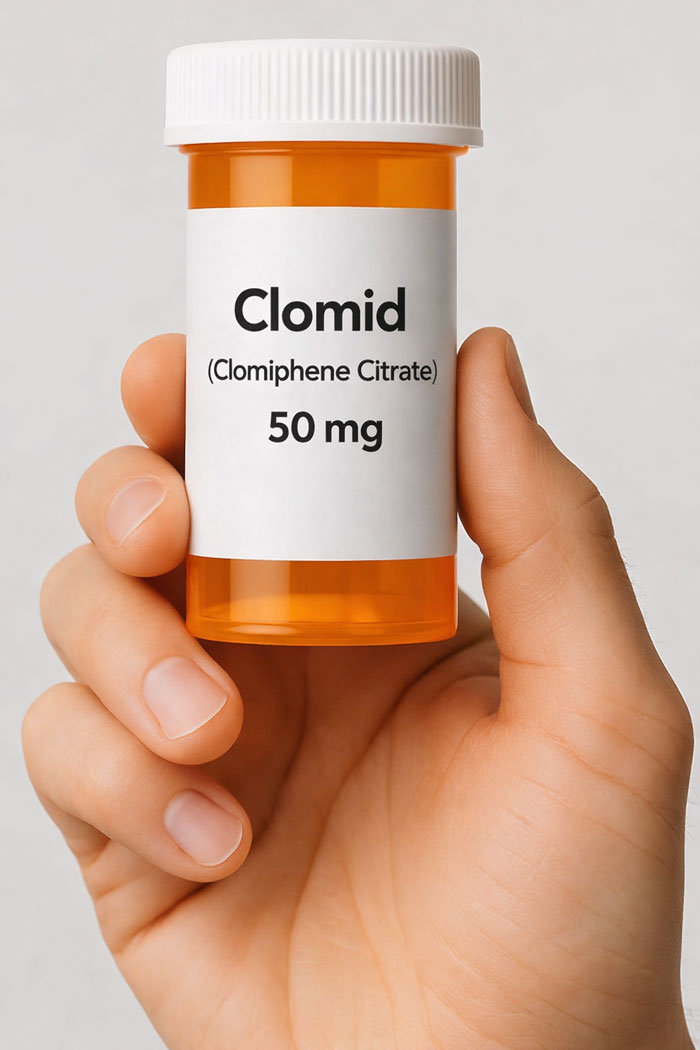
The core concept behind Clomid use in men rests on modulation of the hypothalamic–pituitary–gonadal (HPG) axis. By acting as an antagonist at estrogen receptors in the hypothalamus and pituitary, clomiphene reduces the perceived estrogenic feedback signal. The central nervous system then interprets this as a relative deficiency of sex steroids and responds by increasing the release of gonadotropin-releasing hormone (GnRH), followed by rises in luteinizing hormone (LH) and follicle-stimulating hormone (FSH). These pituitary hormones drive the testes to produce more testosterone and support spermatogenesis, creating a synchronized enhancement of both androgen levels and reproductive potential. This mechanism explains why many men experience a measurable increase in serum testosterone and, frequently, an improvement in symptoms related to hypogonadism.
From a pharmacological perspective, Clomid is a racemic mixture of two stereoisomers, zuclomiphene and enclomiphene, each with slightly different receptor affinities and half-lives. Enclomiphene is considered the more potent stimulator of gonadotropin release, while zuclomiphene exhibits a longer half-life and more pronounced estrogenic effects in some tissues. The combination provides a balanced yet sustained modulation of estrogen receptors, which may contribute to the durability of testosterone elevation observed in many treatment regimens. Variability in individual metabolism, liver function, and baseline hormone levels can influence the degree of response, making Clomid a medication that often rewards thoughtful titration and careful biochemical follow-up.
Clinically, men receiving Clomid frequently report a constellation of benefits that mirror improvements in laboratory values. Rising testosterone can translate into enhanced energy, better exercise capacity, improved libido, and sharper mental focus, while preservation of intratesticular testosterone often supports sperm parameters. For men who are younger or who wish to father children, this dual impact stands out compared with exogenous testosterone, which tends to suppress gonadotropins and compromise fertility. By leveraging the body’s own endocrine machinery, clomiphene offers a strategy that aligns hormonal optimization with long‑term reproductive goals, a combination that many patients find highly appealing.
As research continues, clomiphene’s role in male care is being refined, with growing attention to optimal dosing, long‑term safety, and patient selection. Observational data and clinical experience suggest that, when used thoughtfully, Clomid can deliver robust and sustained elevations in testosterone with a relatively favorable tolerability profile. This has positioned clomiphene as a cornerstone option for men who require hormonal support yet prefer to maintain autonomy over their own testosterone production, creating a therapeutic pathway that respects both physiology and quality-of-life priorities.
Therapeutic Uses of Clomid in Male Hormonal Disorders
Clomid has emerged as a versatile agent for a spectrum of male hormonal disorders, with secondary hypogonadism representing its best-characterized indication. In men whose testes retain intrinsic capacity to produce testosterone but are under-stimulated by the pituitary, clomiphene can reawaken the HPG axis and drive meaningful hormone restoration. This scenario is common in functional hypogonadism related to obesity, metabolic syndrome, chronic stress, or prolonged use of certain medications that blunt gonadotropin release. By intervening at the level of estrogen feedback, Clomid amplifies endogenous signals rather than bypassing them, which often results in a more physiologic hormonal profile and preservation of downstream pathways.
Beyond classical secondary hypogonadism, Clomid is widely used in men with subfertility or unexplained abnormalities in semen parameters accompanied by low or low‑normal testosterone. In this context, the dual elevation of LH and FSH can support both Leydig cell testosterone synthesis and Sertoli cell function, potentially improving sperm concentration, motility, and morphology. While individual responses vary, many men experience a favorable shift in the hormonal environment within the testes, which can translate into better reproductive outcomes. This reproductive-friendly profile makes clomiphene a frequent choice in couples for whom male factor issues coexist with concerns about maintaining natural conception potential.
- Secondary hypogonadism with low or inappropriately normal gonadotropins
- Male subfertility associated with suboptimal testosterone levels
- Functional androgen deficiency linked to obesity or metabolic syndrome
- Post-anabolic steroid recovery of the HPG axis in selected cases
- Men seeking an alternative to injectable or transdermal testosterone
Another important therapeutic niche for Clomid lies in functional androgen deficiency related to lifestyle and metabolic factors, where the pituitary is often sluggish but structurally intact. Men with central obesity, insulin resistance, or sleep-disordered breathing may present with symptoms of low testosterone and modest hormonal derangements that respond well to stimulation rather than replacement. Clomiphene can provide a non-invasive, oral strategy that complements weight reduction, improved sleep, and physical activity, enabling a coordinated approach to restoring hormonal balance. By enhancing endogenous testosterone without directly supplying exogenous hormone, Clomid helps maintain physiological rhythms and may mitigate some of the concerns associated with long‑term replacement therapy.
| Therapeutic Scenario | Primary Goal of Clomid Use | Typical Clinical Advantage |
|---|---|---|
| Secondary hypogonadism | Increase LH/FSH and serum testosterone | Symptom relief with preserved testicular function |
| Male subfertility with low T | Boost intratesticular testosterone and spermatogenesis | Improved semen parameters while maintaining natural conception potential |
| Functional androgen deficiency | Correct reversible central suppression of the HPG axis | Hormonal recovery integrated with lifestyle optimization |
| Post-androgen suppression | Facilitate HPG axis reactivation | Support for endogenous testosterone rebound after prior suppression |
Clomid is also considered in selected men who have previously received exogenous androgens or anabolic agents and now face a suppressed HPG axis. In such situations, clomiphene can assist in reinitiating gonadotropin release, promoting recovery of testicular volume and function over time. While outcomes depend heavily on the duration and intensity of prior suppression, many men value the opportunity to pursue a structured pharmacologic recovery rather than relying solely on passive waiting. This role further underscores clomiphene’s identity as a stimulator of intrinsic endocrine capacity rather than a simple hormone replacement product.
Therapeutic use of Clomid in male hormonal disorders continues to evolve as data accumulate and clinical experience broadens. Its oral administration, fertility-sparing profile, and capacity to address central components of hypogonadism make it an appealing option in a variety of settings. When integrated into a thoughtful diagnostic and monitoring framework, clomiphene can provide durable improvements in testosterone levels, reproductive parameters, and overall vitality, offering men a sophisticated and targeted approach to hormonal restoration.
Access to Clomid for Men - What Patients Need to Know
Access to Clomid for men involves regulatory, logistical, and practical considerations, since the medication was originally approved for female infertility and remains off-label for male indications in many jurisdictions. This off-label status does not diminish its clinical value, but it can influence how easily prescriptions are issued and how pharmacies process them. Men often encounter variability among prescribers regarding familiarity with clomiphene in male hypogonadism, which can shape both the diagnostic workup and the willingness to initiate therapy. A clear understanding of local regulations, prescription requirements, and pharmacy practices helps create realistic expectations about the path from evaluation to medication in hand.
Pharmacy availability of Clomid can differ between urban and rural areas, as well as between large chain pharmacies and smaller independent outlets. Some pharmacies may stock only limited quantities or prioritize the medication for reproductive clinics, leading to occasional delays or the need to transfer prescriptions. In such circumstances, coordination between patient, prescriber, and pharmacy often determines whether treatment begins smoothly or with repeated logistical hurdles. Men who anticipate long‑term use may explore options such as mail‑order services or reputable online pharmacies that legally dispense clomiphene with a valid prescription, particularly when local inventories are inconsistent.
Cost is another central aspect of access, and prices can vary significantly between brand-name Clomid and generic clomiphene citrate, as well as among different pharmacies and insurance plans. Some insurance providers may classify clomiphene as a fertility medication and restrict coverage for male indications, while others may reimburse it under broader endocrine or off-label use policies. Men frequently compare cash prices, discount programs, and insurance copay tiers to identify the most economical source, especially when therapy is expected to continue for months or years. Transparent pricing and advance verification of coverage help avoid unexpected financial burdens that might otherwise interrupt treatment.
- Verification of prescription requirements and legal status in the relevant country or region
- Clarification of insurance coverage, prior authorization rules, and copay obligations
- Comparison of local, mail-order, and licensed online pharmacies for cost and reliability
- Discussion of brand versus generic options to balance price and availability
- Planning for consistent refills to prevent unplanned treatment gaps
Online access to Clomid has expanded, with numerous websites advertising clomiphene for male use, yet the quality and legality of these sources vary widely. Licensed online pharmacies that require a valid prescription and operate under regulatory oversight can provide a convenient and often cost‑effective channel, particularly for men in remote locations. In contrast, unregulated vendors that ship medication without prescriptions or clear provenance raise concerns about authenticity, dosing accuracy, and safety. Careful selection of online providers, with attention to accreditation, contact transparency, and verification systems, helps align convenience with responsible medication sourcing.
Overall accessibility of Clomid for men reflects a combination of clinical acceptance, regulatory frameworks, pharmacy logistics, and economic factors. When these elements align, men can move from diagnosis to stable, well‑supplied therapy with minimal friction, allowing the focus to remain on symptom improvement and hormonal optimization. As awareness of clomiphene’s benefits in male endocrinology grows, access pathways are likely to become more streamlined, giving a broader population of men the opportunity to benefit from this targeted and fertility‑preserving treatment option.
Mechanism of Action - How Clomid Stimulates Endogenous Testosterone Production
Clomid exerts its effect on endogenous testosterone production by acting primarily as an estrogen receptor antagonist at the hypothalamic and pituitary levels, thereby altering the delicate feedback loops that regulate the HPG axis. Under normal conditions, circulating estradiol, derived partly from aromatization of testosterone, signals to the hypothalamus and pituitary to fine-tune GnRH, LH, and FSH secretion. When clomiphene binds to estrogen receptors in these regions, it blocks the usual estrogenic feedback, leading the central nervous system to interpret a state of relative estrogen deficiency. The hypothalamus responds by increasing GnRH pulse frequency and amplitude, which stimulates the pituitary to secrete more LH and FSH.
Elevated LH is the key driver of increased testosterone production in men taking Clomid. LH acts on Leydig cells within the testes, activating the steroidogenic pathway that converts cholesterol into testosterone through a sequence of enzymatic steps. As LH levels rise under the influence of clomiphene, Leydig cells ramp up their activity, resulting in higher circulating testosterone and enhanced intratesticular androgen concentrations. This process preserves the natural diurnal rhythm and complex local signaling within the testes, which contrasts with the more uniform and sometimes supraphysiologic levels seen with exogenous testosterone administration.
FSH, also stimulated by Clomid, plays a complementary role by acting on Sertoli cells to support spermatogenesis and the microenvironment of the seminiferous tubules. While the primary clinical target for many men is improved testosterone, the concurrent elevation of FSH can foster better sperm production and maturation. This dual hormonal rise explains why clomiphene is often favored in men who wish to optimize both androgen status and fertility potential. The coordinated action of LH and FSH, rather than isolated testosterone replacement, maintains a more complete representation of physiological endocrine function.
At the molecular level, clomiphene’s classification as a selective estrogen receptor modulator reflects its tissue-specific behavior, with antagonistic effects in the hypothalamus and pituitary but mixed or even partial agonist effects in other organs. This nuanced pharmacology allows Clomid to produce robust increases in gonadotropins without eliminating estrogenic activity in all tissues, preserving some of the beneficial roles of estrogen in bone health, lipid metabolism, and vascular function. The balance between antagonism and partial agonism depends on receptor subtype distribution, co-regulator proteins, and local hormonal milieu, contributing to the individualized nature of response and side effect profiles.
From a clinical vantage point, this mechanism of action positions Clomid as a sophisticated tool for stimulating endogenous testosterone production while respecting the broader architecture of male endocrine physiology. Rather than overriding the HPG axis, clomiphene rebalances its feedback signals, encouraging the body to generate its own hormones in a coordinated fashion. This approach not only supports testosterone restoration but also helps maintain spermatogenesis, testicular volume, and the intricate interplay of sex steroids and gonadotropins that underlie male reproductive and metabolic health.
Use of Clomid in Men with Secondary Hypogonadism
Secondary hypogonadism in men arises from inadequate stimulation of the testes by the hypothalamus or pituitary, leading to low testosterone despite structurally intact gonads. Clomid is particularly well suited for this condition because it directly addresses the central defect: insufficient gonadotropin release. By antagonizing estrogen feedback at the hypothalamic–pituitary level, clomiphene encourages the endocrine system to restore GnRH, LH, and FSH output, thereby reviving testicular testosterone synthesis. This strategy aligns closely with the underlying pathophysiology of secondary hypogonadism, making Clomid a rational and targeted option for many affected men.
Men with functional secondary hypogonadism linked to obesity, chronic illness, or certain medications often demonstrate low or inappropriately normal LH and FSH despite symptomatic androgen deficiency. In such cases, Clomid can provide a pharmacologic "wake‑up call" to the HPG axis, leading to measurable rises in serum testosterone and, frequently, a corresponding improvement in energy, libido, and mood. The oral route of administration and the ability to tailor dosing schedules add to the appeal, particularly for men who prefer to avoid injections or transdermal preparations. Over time, consistent use may support a new hormonal steady state that better reflects the individual’s physiological potential.
- Men with low testosterone and low/normal gonadotropins indicating central suppression
- Patients with obesity-related hypogonadism and preserved testicular volume
- Individuals experiencing central hypogonadism after prolonged stress or systemic illness
- Men previously treated with exogenous androgens seeking HPG axis recovery
- Cases where fertility preservation is a high priority alongside symptom control
Clomid use in secondary hypogonadism also offers a distinct advantage in preserving or enhancing fertility, a domain where exogenous testosterone frequently falls short. Because clomiphene elevates both LH and FSH, it fosters an environment conducive to sperm production and maturation, which can be critical for men who wish to conceive naturally. Treatment can be integrated into broader fertility strategies, including lifestyle optimization and, when appropriate, assisted reproductive techniques, with Clomid serving as a foundational tool for hormonal alignment. Men often value this dual benefit: relief from hypogonadal symptoms and support for reproductive goals.
Clinical monitoring during Clomid therapy for secondary hypogonadism typically includes periodic assessments of serum testosterone, estradiol, LH, FSH, and sometimes semen parameters, alongside evaluation of symptom trajectories. Such follow-up allows fine‑tuning of dosage and timing, ensuring that hormonal targets are met without excessive stimulation or unwanted estrogenic effects. Over months, many men achieve stable improvements in both biochemical markers and quality-of-life measures, reinforcing the role of clomiphene as a long‑term management option rather than a short-lived intervention. This sustained efficacy highlights how precisely targeted modulation of the HPG axis can restore endocrine balance in secondary hypogonadism.
When used in carefully selected men with secondary hypogonadism, Clomid offers a powerful combination of efficacy, fertility preservation, and physiological congruence with the body’s own regulatory systems. Its capacity to transform a state of central hormonal underdrive into one of renewed endocrine vitality has made it a favored strategy in modern male endocrinology. As awareness grows and treatment protocols are refined, more men with secondary hypogonadism gain access to a therapy that not only corrects laboratory numbers but also revitalizes day‑to‑day well‑being.
Available Dosage Forms and How to Choose the Right Dose for Men
Clomid for men is most commonly available as oral tablets containing clomiphene citrate, with standard strengths such as 50 mg being widely distributed and lower strengths sometimes accessible through specific manufacturers or compounding pharmacies. The tablet formulation offers consistent bioavailability, ease of administration, and straightforward storage, making it suitable for both short‑term trials and long‑term regimens. Because the male indication is often off-label, packaging and labeling may primarily reference female fertility uses, yet the pharmacologic content remains identical. This shared formulation simplifies access while allowing clinicians to adapt dosing strategies to the unique needs of male patients.
Choosing the right dose of Clomid for a man involves balancing efficacy with tolerability, while considering baseline hormone levels, body mass, age, and treatment goals. Many protocols begin with modest doses, such as 12.5–25 mg taken several times per week, and then adjust based on serum testosterone, estradiol, LH, and FSH responses. Higher doses, such as 50 mg daily, can produce more robust hormonal changes but may also increase the likelihood of side effects like visual disturbances, mood shifts, or excessive estrogen elevation. A stepwise, individualized approach helps identify the minimal effective dose that delivers sustained testosterone improvement without undue adverse events.
Dosing frequency can be as significant as the absolute dose, since clomiphene’s active isomers have relatively long half-lives and cumulative effects. Some men respond well to alternate-day or three‑times‑weekly regimens, which maintain adequate gonadotropin stimulation while reducing total weekly exposure. Others may require more frequent dosing to achieve desired testosterone levels, especially when baseline suppression is profound. Adjustments are typically guided by periodic laboratory assessments and symptom tracking, ensuring that the regimen remains aligned with both objective endocrine markers and subjective well‑being.
| Dosing Strategy | Typical Tablet Strength | Use Scenario | Key Advantage |
|---|---|---|---|
| Low-dose, intermittent (12.5–25 mg 3x/week) | 50 mg tablet split as needed | Mild hypogonadism, cautious initiation | Gentle hormonal stimulation with high tolerability |
| Moderate-dose, alternate-day (25–50 mg) | 25–50 mg tablet | Established secondary hypogonadism | Balanced testosterone rise with manageable side effect risk |
| Daily dosing (25–50 mg) | 50 mg tablet | Significant central suppression requiring robust response | Maximized gonadotropin stimulation and testosterone elevation |
| Customized compounded doses | 5–25 mg capsules or tablets | Fine‑tuned therapy for sensitive responders | Precise dose control tailored to individual pharmacodynamics |
Compounding pharmacies expand dosing flexibility by preparing customized clomiphene capsules or tablets in non-standard strengths, such as 5, 10, or 15 mg. This approach can be particularly useful for men who are highly sensitive to the medication or who achieve adequate testosterone levels with very small doses. Fine‑tuned dosing may also help minimize side effects related to excessive estradiol or abrupt hormonal shifts, enhancing adherence and comfort over the long term. For some patients, the ability to adjust in small increments makes the difference between an effective, sustainable regimen and one that feels overly intense or unstable.
Ultimately, selecting an appropriate Clomid dose for men is a dynamic process that evolves with ongoing laboratory data and clinical feedback. Thoughtful titration, respect for individual variability, and appreciation of the drug’s long half‑life all contribute to successful dosing strategies. When these elements are integrated into care, Clomid dosing can be optimized to deliver strong, stable testosterone gains while preserving the nuanced balance of the broader endocrine system.
Drug Interactions - Medications That May Affect Clomid Therapy
Clomid’s performance in men can be influenced by other medications that interact with the HPG axis, alter sex hormone metabolism, or affect hepatic enzyme activity. Because clomiphene is metabolized in the liver and exerts its effects through estrogen receptors and gonadotropin regulation, any agent that modifies these pathways has the potential to enhance or blunt its action. Awareness of such interactions allows more accurate interpretation of hormone levels during therapy and reduces the risk of unexpected fluctuations in testosterone or estradiol. Men often use multiple medications simultaneously, so a broad view of the pharmacologic landscape is essential for coherent management.
Drugs that suppress GnRH, LH, or FSH, such as opioids, glucocorticoids, or certain psychotropic agents, can counteract the stimulatory effects of Clomid on the HPG axis. In these cases, clomiphene may still raise testosterone but perhaps not to the extent expected in the absence of such suppressive influences. Conversely, medications that increase prolactin or directly impair pituitary function can reduce the capacity of the gland to respond to clomiphene-driven signals, limiting the rise in gonadotropins. Careful evaluation of coexisting therapies helps distinguish between primary nonresponse to Clomid and interference from other agents.
Agents that alter estrogen metabolism or aromatase activity, such as aromatase inhibitors, can interact functionally with Clomid by shifting the balance between androgens and estrogens. In some treatment plans, clomiphene is intentionally combined with an aromatase inhibitor to control estradiol levels while maximizing testosterone gains. However, when used unintentionally or without adequate monitoring, such combinations may overshoot and produce excessively low estrogen, with potential consequences for bone density, mood, and lipid profiles. A nuanced approach that respects both androgen and estrogen physiology helps maintain the benefits of Clomid while avoiding destabilizing extremes.
Hepatic enzyme inducers or inhibitors, including certain anticonvulsants, antibiotics, and antifungals, may affect clomiphene metabolism, thereby modifying its plasma levels and duration of action. Enhanced metabolism could shorten the effective half-life and reduce the intensity of gonadotropin stimulation, while reduced metabolism might prolong exposure and increase the risk of side effects. Because these changes are often subtle and gradual, regular hormonal monitoring becomes especially valuable when such medications are introduced, discontinued, or dose-adjusted during Clomid therapy. Recognition of these interactions supports more accurate dose titration and expectation management.
Clomid can also intersect indirectly with medications targeting cardiovascular, metabolic, or psychiatric conditions because changes in testosterone and estradiol influence blood pressure, lipids, insulin sensitivity, and mood. As hormonal status improves, men may experience shifts in the way they respond to antihypertensives, hypoglycemic agents, or psychotropic drugs, sometimes requiring recalibration of those regimens. Coordinated oversight of all therapies, with attention to both endocrine and non-endocrine outcomes, yields a more integrated and stable therapeutic environment. This holistic perspective allows Clomid to function as a valuable component of care rather than an isolated intervention.
Onset of Action, Treatment Duration, and Hormonal Response in Men
The onset of action of Clomid in men is typically measured in weeks rather than days, reflecting the time required for modulation of estrogen receptors, upregulation of GnRH, and subsequent increases in LH, FSH, and testosterone. Many men show biochemical evidence of rising testosterone within 2–4 weeks of initiating therapy, with symptomatic improvements often following shortly thereafter. Early changes can include enhanced energy, improved mood, and subtle shifts in libido, while more structural effects such as changes in body composition or muscle strength may emerge over a longer horizon. This timeline underscores the importance of allowing sufficient time for the HPG axis to re-equilibrate under clomiphene’s influence.
Treatment duration with Clomid is highly individualized and can range from several months to many years, depending on the underlying cause of hypogonadism, therapeutic goals, and tolerance of the medication. Some men use clomiphene as a bridge therapy to stimulate recovery after prior androgen suppression, while others rely on it as a long-term solution for chronic secondary hypogonadism. Periodic reassessment of hormone levels and symptoms guides decisions about continuing, tapering, or adjusting the regimen. For many, Clomid becomes a stable part of a broader health strategy, integrated with lifestyle measures and management of comorbid conditions.
The magnitude of hormonal response to Clomid varies, but numerous men experience substantial increases in total and free testosterone, often reaching mid-normal or high-normal ranges. LH and FSH typically rise in parallel, confirming activation of the pituitary component of the HPG axis. Estradiol may also increase due to greater aromatization of the newly produced testosterone, which can be beneficial up to a point but occasionally requires attention if levels become excessive. The goal is not merely to achieve higher testosterone numbers, but to establish a balanced hormonal milieu that supports vitality, cognition, sexual function, and metabolic health.
| Time Frame | Typical Hormonal Change | Clinical Observation |
|---|---|---|
| 2–4 weeks | Initial rise in LH/FSH and testosterone | Early improvements in energy and mood may appear |
| 6–12 weeks | Stabilization of testosterone and estradiol levels | Clearer changes in libido, erectile quality, and concentration |
| 3–6 months | Consolidated HPG axis response | Noticeable shifts in body composition and exercise capacity |
| >6 months | Long-term equilibrium under tailored dosing | Sustained symptom relief and stable laboratory parameters |
Long-term Clomid therapy raises questions about durability of response and maintenance of efficacy, and clinical experience has shown that many men retain robust hormonal benefits for years with appropriate dosing and monitoring. Some individuals may require gradual dose escalation or adjustment of dosing frequency over time, particularly if body weight, comorbidities, or concomitant medications change. Others continue to respond well at the same dose for extended periods, enjoying consistent testosterone levels and symptom control. Flexibility in regimen design allows clomiphene to adapt to evolving physiological and lifestyle circumstances.
Hormonal response to Clomid is best evaluated through a combination of laboratory testing and careful attention to subjective experience, as numbers alone do not capture the full spectrum of well‑being. Men who achieve target testosterone ranges but still feel underpowered may benefit from further exploration of sleep, nutrition, mental health, and other endocrine axes. Conversely, those who feel excellent at slightly lower-than-expected testosterone levels may not require aggressive dose increases. When onset, duration, and response are viewed through this integrated lens, Clomid becomes a powerful instrument for personalized endocrine optimization.
Possible Side Effects in Men and How to Minimize Hormonal Imbalance
Clomid is generally well tolerated in men, yet its potent influence on the HPG axis and estrogen receptors can produce a range of side effects, particularly when doses are high or individual sensitivity is pronounced. Commonly reported adverse events include mood fluctuations, irritability, mild headaches, and transient visual disturbances such as blurred vision or spots of light. These effects are often dose-related and may improve with regimen adjustments, highlighting the value of starting with conservative dosing and escalating only as needed. A clear appreciation of these possibilities helps set realistic expectations and supports proactive management.
Hormonal imbalance related to estradiol is another area of attention during Clomid therapy. As testosterone rises, aromatization to estradiol can increase, leading to symptoms such as breast tenderness, fluid retention, or emotional lability in some men. While estradiol plays vital roles in bone and cardiovascular health, disproportionately high levels may feel uncomfortable and counterproductive. Monitoring estradiol alongside testosterone allows timely detection of such shifts and facilitates interventions such as dose reduction, adjustment of dosing frequency, or, in selected cases, combination with aromatase-modulating strategies under expert guidance.
Less frequent but clinically notable side effects include changes in lipid profiles, mild elevations in liver enzymes, or alterations in sleep patterns, all of which warrant periodic evaluation. Men with pre‑existing cardiovascular or hepatic conditions may be more susceptible to such changes, making baseline assessment and regular follow-up particularly valuable. When detected early, these shifts can often be managed with lifestyle refinements, dose adjustments, or, if necessary, reconsideration of the overall treatment plan. The goal is to harness the benefits of Clomid while keeping systemic impacts within a safe and comfortable range.
Visual disturbances, though relatively rare, receive special attention because they may represent sensitivity of retinal tissues to clomiphene’s selective estrogen receptor modulation. Symptoms can include transient blurring, flashes, or difficulty focusing, and they frequently resolve after dose reduction or discontinuation. Given the importance of visual function, any such symptoms are taken seriously and prompt reassessment of the risk–benefit balance. Men who experience visual changes often transition to lower doses or alternate therapies once hormonal targets and symptom relief have been weighed against ocular comfort and safety.
By approaching Clomid therapy with thoughtful dosing, regular hormonal and clinical monitoring, and readiness to refine the regimen, many men achieve substantial benefits with minimal and manageable side effects. The capacity to fine‑tune treatment in response to emerging data and subjective experience transforms potential risks into navigable challenges. Through this adaptive process, Clomid can deliver powerful endocrine support while maintaining a profile of safety and tolerability that aligns with long‑term male health ambitions.
Contraindications and Male Patients Requiring Careful Monitoring
Clomid, despite its favorable profile, is not appropriate for every man, and certain conditions warrant avoidance or particularly vigilant monitoring. Absolute contraindications typically include known hypersensitivity to clomiphene or any tablet component, as well as active or prior hormone-sensitive malignancies where stimulation of the HPG axis could theoretically exacerbate disease. Severe hepatic impairment is another clear contraindication, given clomiphene’s hepatic metabolism and the risk of accumulating active metabolites. Men with such conditions are usually steered toward alternative strategies for managing hypogonadism or fertility concerns.
Relative contraindications and cautionary scenarios are more nuanced and require individualized assessment. Men with significant pre‑existing visual disorders, retinal disease, or a history of clomiphene-induced visual disturbances may face elevated risk of ocular side effects during therapy. In these cases, the threshold for initiating or continuing Clomid is higher, and any emerging visual symptoms prompt rapid reassessment. Similarly, individuals with uncontrolled psychiatric conditions or a history of severe mood instability may require careful observation, as hormonal shifts can sometimes modulate emotional states and stress tolerance.
Cardiometabolic health represents another domain where monitoring assumes heightened importance. Men with advanced cardiovascular disease, poorly controlled hypertension, or complex dyslipidemia may experience shifts in blood pressure, lipid profiles, or fluid balance as testosterone and estradiol levels rise. While many of these changes can be beneficial when hormones transition from deficient to optimal ranges, the process can also unmask latent vulnerabilities. Regular blood pressure checks, lipid panels, and metabolic assessments help ensure that Clomid’s endocrine benefits are accompanied by stable cardiovascular parameters.
- History of hormone-sensitive malignancy or unexplained testicular masses
- Significant hepatic dysfunction or chronic liver disease
- Pre‑existing retinal or optic nerve pathology
- Severe, unstable psychiatric conditions
- Complex cardiometabolic disease requiring frequent monitoring
Men with complex fertility histories or structural abnormalities of the reproductive tract also merit tailored evaluation before and during Clomid therapy. While clomiphene can enhance spermatogenesis in many contexts, its impact is limited when fundamental anatomical barriers or severe primary testicular failure are present. In such cases, Clomid may still play a role in optimizing residual function, but expectations regarding fertility outcomes need to be carefully calibrated. Integration of hormonal optimization with reproductive imaging and semen analysis provides a comprehensive picture of potential and progress.
Through thoughtful screening for contraindications and identification of patients who require close observation, Clomid can be deployed with confidence and precision in male endocrinology. This discerning approach ensures that those most likely to benefit receive access to therapy, while those at higher risk are guided toward safer alternatives or augmented monitoring frameworks. As a result, clomiphene’s substantial therapeutic potential is harnessed in a way that respects individual vulnerabilities and long‑term health trajectories.
How Age, Hormone Levels, and Health Conditions Affect Treatment Outcomes
Age exerts a significant influence on Clomid treatment outcomes in men, as the responsiveness of the HPG axis and the functional reserve of the testes evolve over the lifespan. Younger men with secondary hypogonadism and preserved testicular volume often display brisk increases in LH, FSH, and testosterone in response to clomiphene, translating into rapid symptomatic gains. In contrast, older men may exhibit more modest rises, reflecting age-related declines in Leydig cell number and efficiency, as well as cumulative impacts of comorbidities. Nonetheless, many men across a wide age range achieve meaningful improvements when therapy is tailored to their specific endocrine landscape.
Baseline hormone levels provide a crucial roadmap for predicting and interpreting responses to Clomid. Men with low testosterone accompanied by low or inappropriately normal LH and FSH are typically strong candidates, since the primary defect lies in insufficient central stimulation rather than intrinsic testicular failure. When gonadotropins are already elevated at baseline, the capacity of Clomid to further enhance testosterone becomes more limited, indicating that the testes themselves may be the bottleneck. Detailed hormonal profiling, including total and free testosterone, estradiol, LH, FSH, and sometimes prolactin, allows more accurate selection and expectation-setting before therapy begins.
Coexisting health conditions such as obesity, metabolic syndrome, type 2 diabetes, and sleep apnea can significantly shape Clomid outcomes by influencing both hormone production and tissue sensitivity. Excess adipose tissue increases aromatase activity, which can convert rising testosterone into estradiol more aggressively, potentially dampening net androgenic effects or producing estrogen-dominant symptoms. Metabolic dysregulation and chronic systemic inflammation may blunt the subjective benefits of improved testosterone, as fatigue and low mood have multifactorial origins. Addressing these underlying conditions alongside Clomid therapy often amplifies treatment success and stabilizes long‑term results.
- Younger age with preserved testicular volume tends to favor robust hormonal responses
- Low baseline LH/FSH alongside low testosterone suggests high Clomid responsiveness
- Obesity and high aromatase activity can modify the testosterone-to-estradiol balance
- Metabolic and sleep disorders may mask or limit perceived symptom improvement
- Cardiovascular and hepatic health influence both safety and durability of therapy
Psychological and lifestyle factors also modulate how men experience Clomid treatment, with stress levels, sleep quality, physical activity, and nutritional patterns all contributing to energy, libido, and mood. Even when laboratory markers show impressive testosterone increases, inadequate sleep or unresolved psychological strain can mute perceived gains. Conversely, men who combine Clomid therapy with structured exercise, balanced nutrition, and stress-management practices often report synergistic improvements that exceed what would be expected from hormonal changes alone. This interplay underscores the value of a holistic perspective when evaluating treatment outcomes.
By integrating age, baseline hormone levels, and coexisting health conditions into a coherent framework, Clomid therapy for men can be planned and interpreted with far greater precision. Men who understand how these variables shape their individual trajectory are better positioned to appreciate the pace and magnitude of changes they experience. This layered perspective transforms Clomid from a one‑size‑fits‑all intervention into a finely tuned instrument of personalized endocrine care, capable of delivering substantial benefits across diverse clinical contexts.
Price Comparison and Availability of Clomid Online
The price of Clomid for men can vary dramatically depending on brand versus generic status, geographic region, pharmacy type, and insurance coverage. Brand-name Clomid often carries a premium price tag, reflecting manufacturing and marketing costs, whereas generic clomiphene citrate is generally more affordable while delivering equivalent active ingredient content. Men who anticipate long‑term therapy frequently explore generic options to reduce monthly expenses without compromising efficacy. Price transparency among pharmacies is uneven, so patient-led comparison shopping often uncovers significant savings for the same dosage and quantity.
Online availability of Clomid has expanded access for men who live far from large pharmacies or specialty centers, yet not all online sources adhere to the same standards of legality and quality. Licensed internet pharmacies that require a valid prescription and operate under national or regional regulatory oversight provide a secure avenue for purchasing clomiphene. These platforms often display clear pricing, offer mail‑order convenience, and sometimes extend discount programs that rival or surpass local retail options. Men benefit from the ability to compare prices across multiple reputable online providers, aligning cost considerations with reliability and safety.
Insurance coverage patterns for Clomid in men remain heterogeneous, as many insurers still categorize clomiphene primarily as a fertility medication. Some plans may exclude coverage for male hypogonadism indications or require prior authorization and documentation of specific diagnostic criteria. Others may offer partial reimbursement, especially when clomiphene is positioned as a cost-effective alternative to more expensive injectable or transdermal testosterone formulations. Men who clarify coverage rules in advance often avoid surprise out‑of‑pocket expenses and can weigh the relative costs of cash payment versus insured copays more accurately.
Currency exchange rates, regional regulatory frameworks, and local competition among pharmacies further influence Clomid pricing around the world. In some countries, generic clomiphene is widely available at low cost through national health systems or competitive private markets, while in others, access may be constrained and prices higher. Cross‑border online purchases introduce additional complexity, including customs regulations, shipping fees, and legal considerations regarding importation of prescription medications. Men who navigate these variables successfully often do so by focusing on accredited sources and clear documentation of prescription legitimacy.
When cost comparisons, insurance realities, and online availability are considered together, Clomid often emerges as a relatively economical option for long‑term hormonal support in men, especially in generic form. The combination of oral convenience, fertility preservation, and competitive pricing positions clomiphene as an attractive alternative to many other endocrine therapies. Men who invest time in understanding the financial and logistical landscape surrounding Clomid frequently secure stable, affordable access that supports consistent treatment and sustained hormonal benefits.
Brand Name Clomid vs Generic Clomiphene Citrate for Men
Brand-name Clomid and generic clomiphene citrate share the same active molecule, yet they can differ in excipients, manufacturing processes, and pricing structures, all of which may influence patient experience. Regulatory authorities require generics to demonstrate bioequivalence to the brand product, meaning that, on average, absorption and plasma concentration profiles fall within a defined range of the reference drug. For most men, these differences are clinically insignificant, and generics provide the same therapeutic benefits as brand-name Clomid at a fraction of the cost. This equivalence underpins the widespread adoption of generic clomiphene in male endocrine practice.
Some men, however, report subjective differences when switching between brand and generic formulations, or among generics from different manufacturers. Variations in tablet binders, coatings, or dissolution characteristics may subtly alter onset or intensity of effect in sensitive individuals, even though overall bioequivalence is maintained. In such cases, stability of response can often be improved by consistently using the same manufacturer’s product rather than alternating among multiple generics. Men who find a specific formulation that delivers reliable results and tolerability frequently prefer to remain with that product to minimize variability.
Cost remains the most visible distinction between brand-name Clomid and generic clomiphene citrate. Brand products typically command higher prices due to development costs and brand positioning, which may be justifiable for some patients who value perceived consistency or have specific coverage structures. Generics, by contrast, are designed to provide economical access without compromising active ingredient quality, and they often enable broader use of clomiphene across different socioeconomic groups. For many men, the cost savings associated with generics translate directly into better adherence and greater willingness to pursue long‑term therapy.
| Feature | Brand-Name Clomid | Generic Clomiphene Citrate |
|---|---|---|
| Active Ingredient | Clomiphene citrate (identical molecule) | Clomiphene citrate (identical molecule) |
| Regulatory Standard | Reference product | Bioequivalence to reference required |
| Typical Price | Higher, premium tier | Lower, budget-friendly |
| Formulation Variability | Single branded formulation | Multiple manufacturers and excipient profiles |
Quality standards for both brand and generic clomiphene are enforced by regulatory agencies that oversee manufacturing practices, batch testing, and pharmacovigilance. Reputable manufacturers adhere to good manufacturing practice (GMP) guidelines, ensuring that each tablet contains the labeled amount of active ingredient and meets dissolution and purity specifications. Men who obtain their medication from licensed pharmacies—whether local or online—benefit from these safeguards, which are designed to keep variability within clinically acceptable bounds. Concerns about authenticity primarily arise with unregulated vendors, rather than with the brand-versus-generic distinction itself.
For most men, the choice between brand-name Clomid and generic clomiphene citrate hinges on cost, availability, and personal experience with specific formulations. When generics deliver stable hormonal responses and good tolerability at a lower price, they often become the preferred option for sustainable therapy. In situations where a particular brand or manufacturer offers superior subjective outcomes, continuity with that product can be prioritized. This flexible approach allows men to align therapeutic efficacy, financial considerations, and individual preferences in a coherent and durable Clomid strategy.
How to Buy Clomid Online Safely and Legally
Purchasing Clomid online introduces both opportunities and responsibilities, as digital platforms can offer convenience and competitive pricing while also harboring unregulated or counterfeit sources. Safe and legal acquisition of clomiphene citrate hinges on working with pharmacies that operate under recognized regulatory frameworks, require valid prescriptions, and provide transparent information about their licensing status. Websites that prominently display accreditation seals, physical contact information, and verifiable registration numbers offer greater assurance of legitimacy than anonymous vendors with little traceable presence. Men who prioritize these indicators significantly reduce the risk of receiving substandard or falsified medication.
Prescription requirements represent a key distinguishing feature between reputable online pharmacies and illicit sellers. Legitimate providers insist on a valid prescription issued by an authorized prescriber and may require direct submission from the prescriber or secure upload by the patient. Some platforms integrate telemedicine consultations, during which a licensed professional reviews medical history, symptoms, and laboratory data before authorizing Clomid. This structured approach aligns online purchasing with established standards of care, ensuring that therapy is grounded in appropriate evaluation rather than casual self-medication.
Pricing transparency and clear disclosure of shipping policies further characterize trustworthy online sources of Clomid. Reputable pharmacies list medication costs, dispensing fees, and shipping charges in an upfront manner, often allowing side‑by‑side comparison of different strengths and quantities. Delivery timelines, tracking options, and return or replacement policies are typically described in detail, providing realistic expectations about when the medication will arrive and what recourse exists if issues occur. Such clarity contributes to a smoother experience and helps men plan refills to avoid treatment interruptions.
- Verification of pharmacy licensing through recognized regulatory or accreditation bodies
- Requirement of a valid prescription before dispensing clomiphene
- Transparent pricing, shipping, and privacy policies
- Accessible customer support and clear physical contact information
- Avoidance of vendors offering Clomid without prescriptions or at implausibly low prices
Legal considerations around importing prescription medications differ by country, and buyers benefit from familiarity with local regulations governing personal-use importation. Some jurisdictions allow limited quantities of prescribed drugs to be imported for personal use, while others impose stricter restrictions or documentation requirements. Online pharmacies that specialize in international dispensing often provide guidance on these rules and may adjust shipping practices to align with destination-country laws. Men who pay attention to these legal frameworks help ensure that their Clomid shipments clear customs smoothly and without regulatory complications.
Through careful selection of accredited online pharmacies, adherence to prescription requirements, and awareness of legal and logistical details, men can integrate Clomid into their treatment plans via digital channels with confidence. This approach combines the convenience of home delivery and price comparison with the safeguards of regulated pharmaceutical practice. When executed thoughtfully, online purchasing becomes a powerful ally in maintaining consistent access to clomiphene and supporting long‑term hormonal health objectives.
What Men Should Know Before Starting Clomid Therapy
Before embarking on Clomid therapy, men benefit from a clear grasp of the medication’s goals, limitations, and expected trajectory. Clomiphene is designed to stimulate the body’s own testosterone production rather than replace it, which distinguishes it from traditional testosterone replacement therapies. This distinction carries implications for fertility, testicular volume, and long‑term endocrine dynamics, often making Clomid particularly attractive to men who wish to preserve or enhance reproductive potential. Recognizing this foundational difference helps align expectations with the unique advantages of clomiphene-based treatment.
A thorough baseline evaluation sets the stage for successful Clomid therapy by clarifying the underlying cause of low testosterone and identifying any contraindications or cautions. Comprehensive hormone panels, including total and free testosterone, estradiol, LH, FSH, prolactin, and sometimes thyroid markers, provide insight into whether secondary hypogonadism is present and likely to respond to clomiphene. Additional assessments—such as semen analysis for men concerned about fertility, and cardiometabolic screening for those with risk factors—offer a broader view of health status. With this information in hand, the role of Clomid within a holistic care plan becomes much easier to define.
Men also benefit from realistic expectations regarding the pace and magnitude of change during Clomid therapy. Hormonal shifts typically unfold over weeks, with early improvements in energy and libido often followed by more gradual changes in body composition, strength, and mood stability. Not every symptom attributed to low testosterone will resolve solely through hormonal optimization, especially when sleep, stress, or psychological factors play major roles. Recognizing Clomid as one pillar within a broader framework of lifestyle and health interventions helps prevent disappointment and encourages a more balanced outlook.
Awareness of potential side effects and the importance of monitoring provides another layer of preparation for men considering clomiphene. Mood changes, visual disturbances, and signs of excess estradiol, such as breast tenderness or fluid retention, are among the issues that may arise and prompt reconsideration of the dose or regimen. Regular follow-up with laboratory testing and symptom review allows timely detection of such developments and supports fine‑tuning of therapy. Men who approach Clomid with an open channel for feedback and adjustment often experience smoother, more satisfying treatment courses.
By entering Clomid therapy with a solid foundation of knowledge about its mechanism, indications, expected course, and monitoring needs, men can participate actively in shaping their endocrine journey. This informed engagement fosters collaboration, enhances safety, and maximizes the likelihood that clomiphene will deliver meaningful and sustainable improvements in hormonal health and quality of life.
Practical Tips to Improve Testosterone Response and Treatment Results
Clomid’s capacity to elevate testosterone can be amplified when therapy is integrated into a broader lifestyle and health optimization strategy. Adipose tissue, especially visceral fat, acts as a site of aromatization, converting testosterone into estradiol and potentially blunting net androgen gains. Men who pursue gradual reductions in waist circumference through balanced nutrition and regular physical activity often see more favorable testosterone-to-estradiol ratios under clomiphene therapy. This synergy between pharmacologic stimulation and body composition improvements can translate into stronger, more stable symptom relief.
Sleep quality and circadian rhythm exert profound influences on the HPG axis, with chronic sleep restriction or fragmented sleep undermining hormonal resilience. Addressing factors such as sleep apnea, irregular schedules, and late-night screen exposure can enhance the body’s responsiveness to Clomid. Consistent, restorative sleep supports optimal GnRH pulsatility and testosterone synthesis, complementing clomiphene’s central effects. Men who prioritize regular sleep patterns frequently report greater gains in energy, mood, and libido as their hormonal profiles improve.
- Maintaining a healthy waist circumference to reduce excessive aromatization
- Supporting restorative sleep to stabilize GnRH and testosterone rhythms
- Engaging in resistance and aerobic training to enhance androgen sensitivity
- Moderating alcohol intake and avoiding tobacco to protect endocrine function
- Managing psychological stress to prevent cortisol-driven hormonal disruption
Structured physical training, particularly resistance exercise, can further potentiate Clomid’s benefits by improving insulin sensitivity, promoting lean mass, and enhancing subjective vigor. Aerobic activity contributes to cardiovascular health and weight management, both of which influence endocrine outcomes. Together, these forms of exercise create a physiological environment in which rising testosterone is more effectively translated into functional gains in strength, stamina, and body composition. Men who combine Clomid with a consistent, well-rounded exercise program often describe a more pronounced transformation than with medication alone.
Psychological well‑being and stress management also shape the trajectory of Clomid therapy, as chronic stress and elevated cortisol can counteract anabolic hormones and dampen mood. Incorporating techniques such as mindfulness, cognitive strategies, or counseling into a broader health plan can stabilize emotional states and improve resilience. As testosterone levels increase under clomiphene, many men find that the combination of hormonal support and psychological tools yields a powerful uplift in motivation and outlook. This interplay underscores the value of addressing both mind and body in pursuit of optimal treatment results.
Through thoughtful attention to body composition, sleep, exercise, substance use, and psychological health, men can create conditions in which Clomid’s pharmacologic effects are fully realized. This integrated approach transforms clomiphene from a standalone intervention into the centerpiece of a comprehensive vitality strategy, enhancing both objective hormonal markers and day‑to‑day lived experience.
Why Clomid Remains a Common First-Line Option for Male Hypogonadism
Clomid has secured a prominent role as a first-line option for many men with hypogonadism, particularly those with secondary forms of the condition, because it stimulates endogenous testosterone production while preserving fertility. This fertility-sparing characteristic stands in sharp contrast to exogenous testosterone, which often suppresses spermatogenesis by downregulating LH and FSH. Men who are planning future paternity or wish to maintain natural reproductive capacity frequently gravitate toward clomiphene for this reason. The ability to improve androgen status without sacrificing sperm production provides a compelling argument for Clomid’s early use in treatment algorithms.
The oral route of administration and flexible dosing patterns further reinforce Clomid’s appeal as an initial therapy. Tablets are easy to store, transport, and integrate into daily routines, avoiding the logistical complexities of injections or the skin reactions and transfer risks sometimes associated with transdermal gels. Dosing can be adjusted incrementally based on laboratory and clinical response, allowing a tailored approach that respects individual variability in HPG axis sensitivity. For many men, this combination of convenience and adjustability creates a sense of control and engagement with their treatment.
Cost-effectiveness also contributes to Clomid’s position as a favored first-line choice, especially when generic clomiphene citrate is available. Compared with some proprietary testosterone formulations, generics often deliver substantial hormonal benefits at a fraction of the price, which can be decisive for men facing long‑term therapy. Lower costs support adherence and reduce the likelihood of treatment interruptions driven by financial strain. As healthcare systems and individuals seek value-oriented solutions, clomiphene’s balance of efficacy, safety, and affordability becomes increasingly attractive.
Physiological congruence with the body’s own regulatory mechanisms adds another layer to Clomid’s enduring popularity. By enhancing GnRH, LH, and FSH secretion rather than bypassing them, clomiphene preserves the architecture of the HPG axis and maintains diurnal testosterone rhythms. This approach respects the interconnected roles of androgens and estrogens in bone, cardiovascular, cognitive, and metabolic health, rather than focusing narrowly on a single hormone. Many men and clinicians appreciate this alignment with natural endocrine dynamics, viewing Clomid as a way to restore rather than replace hormonal function.
Through its fertility-preserving action, oral convenience, economic accessibility, and physiologically harmonious mechanism, Clomid has earned a lasting place as a frontline option in the management of male hypogonadism. Men who begin their endocrine journey with clomiphene often experience robust improvements while keeping future therapeutic avenues open, including the possibility of transitioning to other modalities if circumstances change. This versatility and forward-looking design help explain why Clomid continues to be embraced as a sophisticated and empowering solution for men seeking to reclaim their hormonal vitality.