
Sildenafil
- By Dr. Aashish Kabra (MD, Urologist)
- Medically reviewed by Dr. John L. Logan (MD, Urologist)
What Is Sildenafil
Sildenafil is a prescription medication designed to treat erectile dysfunction by improving blood flow through specific vascular pathways in the body. It belongs to a pharmacological group known as phosphodiesterase type five inhibitors, which are used to regulate the breakdown of signaling molecules responsible for vascular relaxation. The primary role of sildenafil is not to initiate sexual arousal but to support the physiological processes that occur when stimulation is already present. This distinction is critical because it defines both how the medication functions and what users should expect from it in practical use.
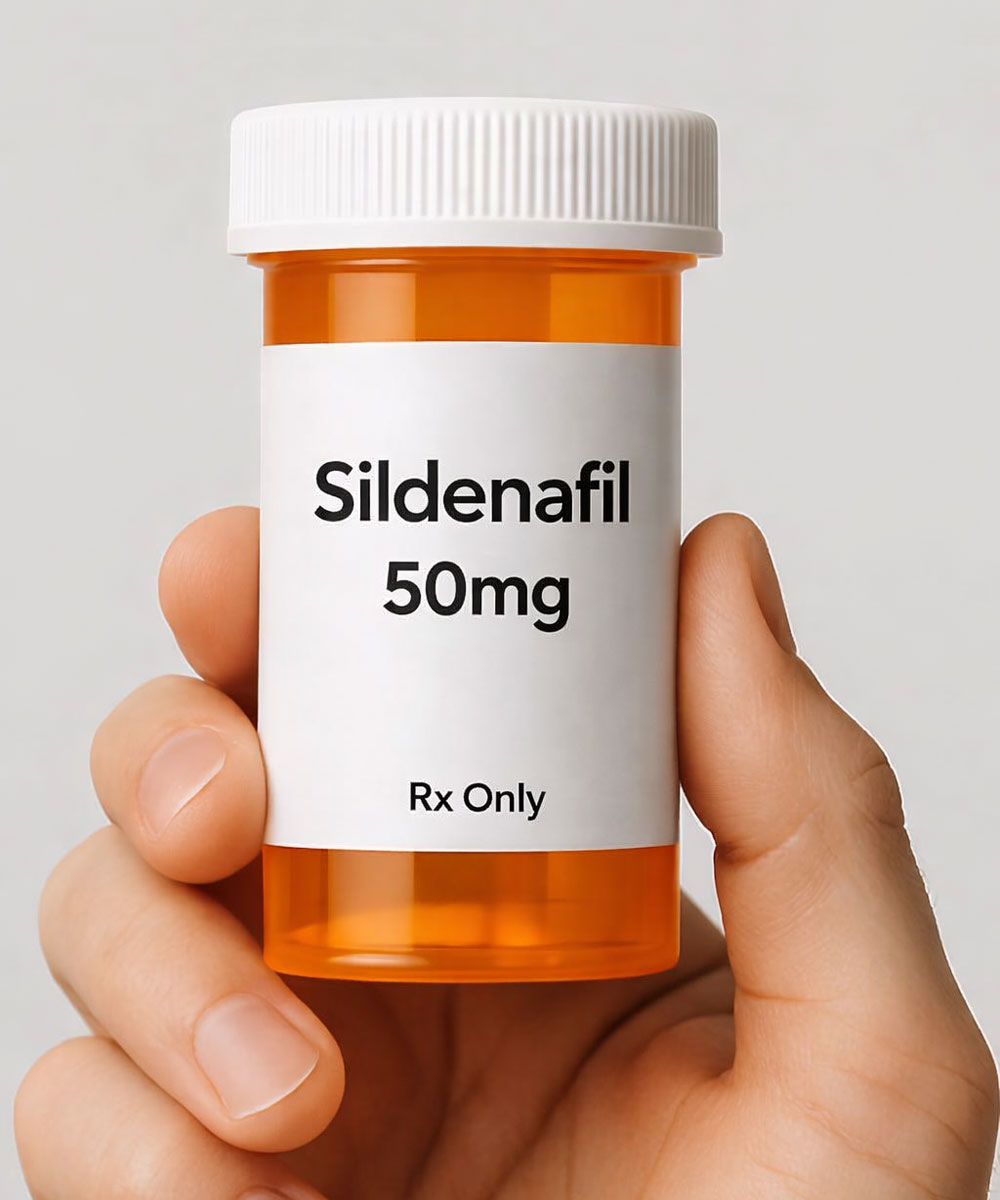
The medication became widely recognized after its introduction as a treatment for erectile dysfunction, offering a non-invasive alternative to previous methods that were either less effective or more complex to use. Its development marked a shift toward targeted pharmacological intervention, allowing patients to manage symptoms with a predictable and controllable approach. Over time, sildenafil has been studied extensively, and its mechanism of action is well understood in clinical settings. This level of understanding contributes to its widespread use and acceptance among healthcare providers.
Erectile dysfunction itself is a multifactorial condition that may involve vascular, neurological, hormonal, and psychological components. Sildenafil addresses primarily the vascular aspect by enhancing blood flow, which is often sufficient to restore functional performance in many cases. However, it does not directly treat underlying causes such as hormonal imbalance or chronic disease. Instead, it operates as a supportive treatment that enables normal physiological response when other conditions are favorable.
The reliability of sildenafil is one of its key advantages. When taken correctly and under appropriate conditions, it produces consistent results within a known timeframe. This predictability allows patients to integrate its use into their routines without excessive uncertainty. As a result, it has become one of the most commonly prescribed medications for erectile dysfunction worldwide, maintaining its relevance even as newer treatments have been introduced.
What Sildenafil Is Used For
Sildenafil is primarily used for the treatment of erectile dysfunction, a condition characterized by the inability to achieve or maintain an erection sufficient for satisfactory sexual activity. The medication works by enhancing the natural blood flow response that occurs during sexual stimulation, allowing for improved performance and consistency. It does not act as a stimulant or hormone replacement, and its effectiveness depends on the presence of normal physiological signaling processes within the body.
In clinical practice, sildenafil is prescribed when patients report recurring or persistent symptoms that impact quality of life. These symptoms may arise from a variety of causes, including reduced blood flow, stress, fatigue, or underlying health conditions such as diabetes or hypertension. The medication provides a targeted solution that addresses the physical component of the problem, making it one of the first-line treatment options in many cases.
Although its primary indication is erectile dysfunction, sildenafil may also be used in other medical contexts under different dosing protocols. These uses are distinct and require separate evaluation by a physician. For the majority of patients, however, its role is focused on restoring functional sexual performance and improving confidence in situations where natural response has become inconsistent.
The effectiveness of sildenafil varies depending on individual factors such as health status, timing of use, and adherence to medical guidance. Patients who understand how the medication works and use it correctly are more likely to achieve consistent results. This makes proper education and realistic expectations an important part of the treatment process.
How Sildenafil Works in the Body
Sildenafil exerts its effect through selective inhibition of the phosphodiesterase type five enzyme, which is responsible for the degradation of cyclic guanosine monophosphate in smooth muscle cells. During sexual stimulation, nitric oxide is released from nerve endings and endothelial cells, initiating a cascade that leads to the production of cyclic GMP. This molecule causes relaxation of smooth muscle tissue and dilation of blood vessels, allowing increased blood flow into the penile tissue. By inhibiting the enzyme that breaks down cyclic GMP, sildenafil prolongs and enhances this natural response, resulting in improved erectile function.
The mechanism is dependent on intact neural and vascular pathways. Without the initial release of nitric oxide triggered by stimulation, the pathway is not activated, and sildenafil has no effect. This explains why the medication does not cause spontaneous erections and why its effectiveness varies based on underlying physiological conditions. Patients with severe vascular damage or significant neurological impairment may experience reduced response because the initial signaling step is compromised.
Pharmacokinetically, sildenafil is absorbed relatively quickly after oral administration, with peak plasma concentrations typically occurring within an hour under fasting conditions. The presence of food, particularly high-fat meals, can delay absorption and reduce the speed of onset. The drug is metabolized primarily in the liver and has a half-life that allows its effects to persist for several hours, although this duration varies between individuals.
Systemic vasodilation is a secondary effect of the medication, which is why certain precautions are necessary. Changes in blood pressure and interactions with other medications must be considered before use. Understanding how sildenafil works at both the molecular and systemic levels provides a clearer picture of why proper medical evaluation is required and why adherence to guidelines is essential for safe and effective treatment.
Difference Between Sildenafil and Viagra
Sildenafil and Viagra refer to the same active compound but differ in terms of branding, manufacturing, and pricing structure. Viagra is the original branded version that was introduced to the market and gained widespread recognition. Generic sildenafil became available after patent expiration, allowing multiple manufacturers to produce the same active ingredient under different names. Despite these differences, the pharmacological effect remains identical when the medication is produced according to regulatory standards.
The primary distinction lies in cost and accessibility. Branded medications often include additional expenses related to marketing and brand positioning, which can significantly increase the price. Generic versions eliminate these costs, making treatment more affordable for a broader range of patients. This shift has improved access to care and increased adherence among individuals who require ongoing use.
From a clinical perspective, there is no meaningful difference in effectiveness between the two when sourced from legitimate providers. Both undergo regulatory review to ensure quality, safety, and consistency. Physicians typically base their recommendation on patient preference, cost considerations, and availability rather than differences in therapeutic performance.
Understanding this distinction helps patients make informed decisions without assuming that higher cost implies better results. In most cases, generic sildenafil provides the same outcome at a lower price, which makes it the preferred option in standard treatment scenarios.
Who Can Take Sildenafil
Sildenafil may be prescribed to adult men who experience symptoms of erectile dysfunction and do not have contraindications that would make its use unsafe. Eligibility is determined through a medical evaluation that considers cardiovascular health, medication history, and overall physical condition. Patients with stable health profiles and no conflicting medications are often suitable candidates for treatment.
Age alone is not a limiting factor, although older individuals may require adjustments in dosage or monitoring due to changes in metabolism and vascular function. Younger patients may also benefit from sildenafil when symptoms are linked to stress, lifestyle factors, or intermittent physiological issues. In all cases, suitability is based on individual assessment rather than generalized criteria.
Patients who are able to engage in moderate physical activity without cardiovascular complications are typically considered low risk. This is because sexual activity itself places a certain level of demand on the cardiovascular system, and the medication enhances this demand through its vasodilatory effects. Ensuring that the body can tolerate these changes is a key part of the evaluation process.
Proper selection of candidates helps maximize effectiveness while minimizing risk. When prescribed appropriately, sildenafil provides a reliable solution for a wide range of patients with varying backgrounds and health conditions.
Who Should Not Take Sildenafil
Sildenafil is not suitable for individuals who are taking nitrate medications, as the combination can lead to a significant and potentially dangerous drop in blood pressure. This interaction is one of the most critical contraindications and is strictly avoided in medical practice. Patients using nitrates for conditions such as angina must explore alternative treatment options.
Other contraindications include certain cardiovascular conditions where changes in blood pressure or increased physical exertion could pose a risk. Individuals with severe heart disease, recent cardiovascular events, or unstable medical conditions require careful evaluation before considering treatment. In some cases, the risks may outweigh the potential benefits.
Liver and kidney function also play a role in determining suitability. Impaired function can affect how the medication is metabolized and eliminated, potentially leading to increased exposure and higher risk of side effects. Dose adjustments or alternative treatments may be recommended in these situations.
Identifying these limitations through proper consultation ensures that sildenafil is used safely. Attempting to use the medication without medical guidance increases the likelihood of adverse outcomes and reduces the effectiveness of treatment.
Getting Sildenafil Online
Access to sildenafil through online services has become a structured process that combines medical evaluation with digital convenience. Unlike unregulated marketplaces, legitimate online providers replicate the essential steps of a clinical consultation, ensuring that the medication is prescribed based on individual health data rather than simple demand. This approach allows patients to receive appropriate treatment without the need for in-person visits while maintaining the same safety standards expected in traditional healthcare settings.
The process begins with the collection of medical information, which includes details about cardiovascular health, current medications, previous diagnoses, and the nature of erectile dysfunction symptoms. This information forms the basis of the physician’s assessment. Accuracy at this stage is critical because incomplete or incorrect data can lead to inappropriate prescribing decisions or unnecessary risks. Online systems are designed to guide users through structured questionnaires that capture clinically relevant information in a consistent format.
After submission, a licensed physician reviews the case and determines whether sildenafil is appropriate. This step involves evaluating potential contraindications, identifying possible drug interactions, and assessing overall suitability. The decision is not automated, and clinical judgment is applied to each case. If the medication is approved, a prescription is issued and transmitted to a pharmacy for fulfillment. If not, alternative recommendations may be provided based on the patient’s condition.
Online access does not eliminate the importance of medical oversight. Instead, it shifts the format of interaction while preserving the decision-making process. This ensures that patients receive treatment that is both effective and aligned with safety guidelines, reducing the risks associated with self-medication or unverified sources.
How to Get Sildenafil Online
Obtaining sildenafil online involves a multi-step process that is designed to ensure both convenience and safety. The first step is completing a detailed medical questionnaire, which collects information about health history, symptoms, and current medication use. This step replaces the initial portion of a traditional consultation and provides the physician with the data needed to evaluate suitability for treatment.
Once the questionnaire is submitted, it is reviewed by a licensed physician. The review process includes assessing cardiovascular health, identifying contraindications, and determining whether sildenafil is an appropriate option. This evaluation is essential because the medication affects blood flow and may interact with other drugs. The physician’s role is to ensure that the benefits of treatment outweigh any potential risks.
If the medication is approved, a prescription is generated and sent to a pharmacy. The pharmacy then prepares the medication according to the prescribed dosage and ensures that it meets regulatory standards for quality and safety. Patients are typically informed about the next steps, including delivery options or pickup availability.
This structured process differentiates legitimate online services from unregulated sources. It ensures that patients receive authentic medication and appropriate guidance, reducing the likelihood of complications and improving overall treatment outcomes.
Do You Need a Prescription for Sildenafil
Sildenafil requires a prescription because it has a direct effect on the cardiovascular system and may interact with other medications. The prescription requirement ensures that a qualified healthcare professional evaluates the patient’s health status before the medication is used. This step is essential for identifying risks that may not be immediately apparent to the patient.
Without a prescription, there is no formal assessment of contraindications such as the use of nitrate medications or the presence of unstable cardiovascular conditions. These factors can significantly increase the risk of adverse effects if not properly evaluated. The prescription process acts as a safeguard, ensuring that the medication is used under appropriate conditions.
Some sources offer sildenafil without requiring a prescription, but these products often bypass quality control and regulatory oversight. This increases the risk of receiving counterfeit or improperly dosed medication. Such products may not only be ineffective but also potentially harmful.
Obtaining sildenafil through a legitimate prescription process ensures that the medication is both safe and appropriate for the individual patient. It also provides access to professional guidance, which can improve effectiveness and reduce the likelihood of complications.
Online Consultation Step by Step
The online consultation process is structured to mirror the key components of a traditional medical evaluation while adapting them to a digital format. The first step involves providing detailed information about symptoms, medical history, and current medications. This information is essential for identifying potential risks and determining whether sildenafil is suitable.
After the initial data collection, the information is reviewed by a licensed physician. This review includes assessing cardiovascular health, identifying contraindications, and evaluating the severity of symptoms. The physician uses clinical judgment to decide whether to approve the medication or recommend an alternative approach.
If the prescription is approved, it is forwarded to a pharmacy for fulfillment. The pharmacy verifies the prescription, prepares the medication, and ensures that it meets all regulatory standards. Patients are then notified of the available delivery or pickup options.
This step-by-step process ensures that online access does not compromise medical standards. Each stage is designed to replicate the safeguards of in-person care while providing a more accessible and efficient experience.
How Long Approval Takes
The time required for approval varies depending on the provider and the completeness of the submitted information. In many cases, the review process is completed within a relatively short period once the consultation is submitted. Delays may occur if additional information is required or if the physician needs clarification on certain aspects of the patient’s health history.
Faster approval times are often associated with clear and complete submissions. Patients who provide accurate and detailed information are less likely to experience delays. This highlights the importance of carefully completing the consultation questionnaire.
While speed is a benefit of online services, it does not replace the need for thorough evaluation. Providers balance efficiency with safety by ensuring that each case is reviewed according to clinical standards. This approach maintains the integrity of the prescribing process while reducing unnecessary waiting times.
Understanding the factors that influence approval time helps set realistic expectations and ensures a smoother experience for patients seeking treatment.
What Happens After Approval
Once a prescription for sildenafil is approved, the process moves from clinical evaluation to fulfillment and delivery. The prescription is transmitted to a licensed pharmacy, where it is verified and prepared according to regulatory standards. This stage ensures that the correct dosage, formulation, and labeling are applied before the medication reaches the patient. Pharmacy verification is a critical step because it acts as an additional safeguard, confirming that the prescription has been issued appropriately and that the medication meets quality requirements.
After preparation, patients are informed about the available delivery or pickup options. Many services offer direct shipping, which allows the medication to be delivered to the patient’s address in discreet packaging. In some cases, local pharmacy pickup may also be available, depending on the provider’s network. These options provide flexibility while maintaining privacy and convenience.
Patients typically receive instructions regarding dosage, timing, and safety considerations along with the medication. These instructions are an essential part of the treatment process because they help ensure that the medication is used correctly. Proper use increases the likelihood of effectiveness and reduces the risk of side effects or complications.
Follow-up support may also be available after approval. This can include the ability to contact a healthcare provider with questions, request dosage adjustments, or report side effects. Ongoing communication helps refine treatment and ensures that the medication continues to meet the patient’s needs over time.
Pharmacy Fulfillment Process
The pharmacy fulfillment process involves several steps designed to maintain safety, accuracy, and compliance with regulatory standards. After receiving the prescription, the pharmacy verifies its authenticity and checks for any potential issues related to dosage or patient information. This verification step is essential for preventing errors and ensuring that the medication is dispensed correctly.
Once the prescription is confirmed, the medication is prepared according to the specified dosage and quantity. Pharmacists ensure that the correct formulation is selected and that all labeling requirements are met. This includes providing information about dosage instructions, storage conditions, and potential side effects. Accurate labeling is critical because it guides the patient in using the medication safely and effectively.
Quality control measures are applied throughout the process to ensure that the medication meets established standards. This includes verifying the source of the active ingredient, checking for proper storage conditions, and ensuring that packaging is secure. These steps help maintain the integrity of the medication from production to delivery.
The final stage of fulfillment involves packaging and preparing the medication for shipment or pickup. Discreet packaging is often used to protect patient privacy. Once this stage is complete, the medication is dispatched, and the patient is notified of the delivery details.
Discreet Shipping and Packaging
Discreet shipping is a key feature of online sildenafil services, designed to protect patient privacy throughout the delivery process. Packaging is typically plain and does not indicate the contents or the nature of the medication. This ensures that sensitive information is not disclosed during transit or upon delivery.
The use of unmarked packaging addresses one of the primary concerns patients have when ordering medication for erectile dysfunction. Privacy is an important factor in treatment adherence, and discreet delivery helps reduce the stigma associated with the condition. By ensuring confidentiality, providers make it easier for patients to seek and continue treatment.
Shipping methods vary depending on the provider, but most services offer tracking options that allow patients to monitor the progress of their order. This transparency improves the overall experience and helps manage expectations regarding delivery time. In some cases, expedited shipping may be available for faster access.
Maintaining discretion does not compromise safety. Packaging is designed to protect the medication from environmental factors such as temperature and physical damage. This ensures that the product remains effective when it reaches the patient.
Can You Buy Sildenafil Without Prescription
Sildenafil is classified as a prescription medication because of its effects on the cardiovascular system and the potential for interactions with other drugs. Purchasing it without a prescription bypasses the medical evaluation that is necessary to ensure safe use. This creates a risk for individuals who may have underlying conditions or are taking medications that could interact negatively with sildenafil.
Unregulated sources often advertise sildenafil without requiring a prescription, but these products may not meet quality standards. Counterfeit medications are a known issue in this market and may contain incorrect dosages, harmful substances, or no active ingredient at all. Using such products can lead to ineffective treatment or serious health risks.
In addition to quality concerns, the absence of medical guidance increases the likelihood of misuse. Patients may take incorrect dosages, use the medication too frequently, or combine it with substances that should be avoided. These practices can lead to adverse effects that could have been prevented through proper consultation.
Obtaining sildenafil through a legitimate prescription process ensures that the medication is appropriate, authentic, and supported by professional guidance. This approach significantly reduces risk and improves the likelihood of successful treatment outcomes.
Sildenafil Price and Cost Factors
The cost of sildenafil is influenced by multiple variables, including dosage strength, quantity purchased, provider pricing structure, and whether the medication is obtained as a branded or generic product. Generic sildenafil is generally more affordable because it is produced by multiple manufacturers after patent expiration, reducing the cost associated with brand exclusivity. This makes it the most widely used option for patients who require ongoing treatment while managing expenses.
Online providers often offer different pricing models compared to traditional pharmacies. Some platforms operate on a subscription basis, allowing patients to receive regular shipments at a reduced cost per dose. Others provide one-time purchase options with variable pricing depending on the quantity ordered. Bulk purchasing typically lowers the cost per tablet, making it a common strategy for patients who anticipate regular use.
Geographic location and regulatory factors can also influence pricing. In some regions, pricing is affected by local healthcare policies, availability of generic manufacturers, and pharmacy competition. Patients may notice differences in cost depending on where and how they obtain the medication, even when the formulation is identical.
Insurance coverage for sildenafil varies significantly. While some plans may offer partial reimbursement, many classify it as a non-essential medication and do not include it in standard coverage. As a result, most patients rely on out-of-pocket payment. Understanding the factors that affect cost helps patients make informed decisions and select options that balance affordability with safety and reliability.
Generic Sildenafil vs Brand Price
Generic sildenafil and branded Viagra contain the same active ingredient and provide the same therapeutic effect, but their pricing differs due to branding and market positioning. Branded medications often carry higher costs because of marketing, research recovery, and brand recognition. Generic versions, on the other hand, are produced by multiple manufacturers and are required to meet the same regulatory standards for quality and effectiveness.
The introduction of generic sildenafil has significantly reduced the cost barrier for patients. This has improved access to treatment and increased adherence, as patients are more likely to continue using medication that is financially sustainable. From a clinical perspective, there is no difference in how the body responds to the active ingredient when it is produced according to approved standards.
Patients may still choose branded options based on familiarity or personal preference, but in most cases, generic sildenafil is recommended as the primary choice due to its cost efficiency. Physicians typically focus on ensuring that the medication is sourced from a reliable provider rather than emphasizing brand selection.
The equivalence between generic and branded forms is supported by regulatory requirements that ensure consistency in dosage, bioavailability, and safety. This allows patients to choose the more affordable option without compromising treatment outcomes.
Cheapest Way to Get Sildenafil
The most cost-effective way to obtain sildenafil usually involves purchasing generic formulations through licensed online providers. These services often reduce overhead costs and pass the savings on to patients. Subscription plans and bulk purchasing options can further lower the cost per dose, making long-term treatment more affordable.
However, the lowest price is not always the safest option. Extremely low-cost products from unverified sources may indicate counterfeit or substandard medication. Authentic sildenafil must meet strict regulatory standards to ensure that it contains the correct active ingredient in the proper dosage. Patients should prioritize verified providers even when seeking lower prices.
Comparing pricing across multiple legitimate providers can help identify reasonable options. Transparency in pricing, clear prescription requirements, and verified pharmacy partnerships are indicators of a trustworthy service. These factors provide assurance that the medication is both safe and effective.
Balancing cost and quality is essential. While affordability is important, it should not come at the expense of safety or reliability. Choosing a reputable source ensures that patients receive consistent treatment without unnecessary risk.
Get Sildenafil Online
Accessing sildenafil through a structured online process allows patients to receive treatment based on medical evaluation rather than guesswork. The process is designed to balance convenience with clinical oversight, ensuring that the medication is appropriate for the individual before it is prescribed. This approach reduces the risks associated with unverified sources and improves overall treatment outcomes.
The first step involves completing a medical consultation that gathers relevant health information. This includes current conditions, medications, and symptoms related to erectile dysfunction. The information is reviewed by a licensed physician, who determines whether sildenafil is a suitable option. This step ensures that contraindications and potential interactions are identified before treatment begins.
If approved, the prescription is processed through a pharmacy that prepares the medication according to established standards. Patients receive clear instructions on how to use the medication, including dosage and timing. This structured process provides both safety and clarity, allowing for more predictable results.
Choosing a regulated service ensures that the medication is authentic and that treatment decisions are based on clinical criteria. This reduces uncertainty and supports consistent outcomes over time.
Why Choose an Online Prescription
Online prescription services provide a streamlined way to access sildenafil while maintaining medical standards. By replacing in-person visits with digital consultations, these services reduce barriers such as time constraints and discomfort associated with discussing sensitive conditions.
Despite the convenience, the core elements of medical evaluation remain in place. Licensed physicians review patient information, assess suitability, and issue prescriptions only when appropriate. This ensures that treatment decisions are based on clinical judgment rather than convenience alone.
Patients benefit from increased accessibility without compromising safety. The ability to complete the process remotely allows for faster access to treatment and greater flexibility in managing health needs.
Choosing a legitimate online provider ensures that both convenience and medical oversight are preserved, resulting in a reliable and efficient treatment experience.
Start Your Consultation
Beginning the consultation process is the first step toward obtaining sildenafil through a safe and structured system. Patients provide health information, receive evaluation, and obtain guidance tailored to their individual needs. This approach ensures that treatment is not only accessible but also appropriate and effective.
Clear instructions and support throughout the process help patients understand how to use the medication correctly. This reduces uncertainty and improves the likelihood of successful outcomes. Patients who follow the recommended steps are more likely to achieve consistent results.
The consultation process also provides an opportunity to address questions or concerns before starting treatment. This level of support enhances confidence and ensures that patients are fully informed.
Taking this step allows patients to move from uncertainty to a structured and medically guided solution, improving both safety and effectiveness.
Sildenafil Dosage Guide
Determining the appropriate dosage of sildenafil is a critical aspect of treatment. The correct dosage depends on individual factors such as age, overall health, severity of symptoms, and response to previous use. Physicians typically begin with a standard starting dose and adjust it based on effectiveness and tolerance. This approach allows for a personalized treatment plan that maximizes benefits while minimizing potential side effects.
Sildenafil is commonly taken as needed, approximately 30 to 60 minutes before sexual activity. The medication should not be taken more than once within a 24-hour period unless specifically directed by a healthcare provider. Adhering to this guideline reduces the risk of adverse effects and ensures that the body processes the medication safely.
Dosage adjustments may be necessary if the initial dose does not produce the desired effect or if side effects occur. Increasing the dose without medical guidance is not recommended, as it may lead to complications without improving effectiveness. Physicians evaluate patient feedback and make controlled adjustments to find the optimal balance.
Understanding dosage is essential for achieving consistent results. Patients who follow prescribed instructions and communicate with their healthcare provider are more likely to experience effective and predictable outcomes. Proper dosing is not only about effectiveness but also about maintaining safety over time.
Starting Dose Explained
The starting dose of sildenafil is selected based on general clinical guidelines and individual patient characteristics. It is intended to provide a balance between effectiveness and safety, allowing patients to assess how their body responds to the medication. Beginning with a moderate dose reduces the likelihood of side effects while still providing a reasonable chance of achieving the desired result.
Patients are advised to take the starting dose under appropriate conditions, including sufficient time before activity and awareness of factors such as food intake. Observing the response to the initial dose provides valuable information that can guide future adjustments. This step is essential for developing an effective treatment plan.
If the starting dose is effective and well tolerated, it may be continued without change. If the response is insufficient, a physician may recommend an increase, provided that no safety concerns are identified. Conversely, if side effects occur, a lower dose may be considered.
This structured approach ensures that dosage is tailored to the individual rather than applied uniformly. It allows for gradual optimization based on real-world experience and clinical evaluation.
Maximum Safe Dosage
The maximum safe dosage of sildenafil is determined based on clinical guidelines that take into account its pharmacological effects and impact on the cardiovascular system. Exceeding the recommended upper limit does not proportionally increase effectiveness and may instead raise the likelihood of adverse reactions. This is because the mechanism of sildenafil has a saturation point beyond which additional inhibition of the PDE5 enzyme does not produce a stronger physiological response.
Physicians establish a maximum dosage threshold to ensure that patients receive the benefits of the medication without exposing themselves to unnecessary risk. This threshold is based on extensive clinical data and is adjusted only in specific circumstances where individual tolerance and health status allow for safe variation. Attempting to exceed this limit without medical supervision can lead to complications such as significant drops in blood pressure, increased heart strain, or prolonged adverse effects.
Patients may assume that higher doses will compensate for inadequate response, but this is not always the case. In many situations, lack of effectiveness is related to factors such as timing, food intake, or underlying health conditions rather than insufficient dosage. Addressing these factors is often more effective than increasing the amount of medication.
Adhering to established dosage limits ensures that treatment remains both effective and safe. Understanding that more is not always better helps patients avoid common mistakes and maintain consistent outcomes over time.
How Often Can You Take Sildenafil
Sildenafil is generally intended for use on an as-needed basis, with a recommended interval that prevents excessive accumulation in the body. Taking the medication more frequently than advised can increase the risk of side effects without improving effectiveness. This is because the drug remains active in the system for several hours, and overlapping doses can amplify its systemic effects.
The standard guideline is to avoid taking sildenafil more than once within a 24-hour period unless specifically instructed otherwise by a healthcare provider. This interval allows the body to metabolize and eliminate the medication before the next dose is introduced. Maintaining this spacing is important for both safety and predictability of response.
Some patients may consider more frequent use if they experience inconsistent results, but this approach is not recommended without medical evaluation. Adjustments to dosage, timing, or underlying factors are more appropriate strategies for improving effectiveness. Physicians assess these variables and provide guidance tailored to the individual.
Consistency in following recommended frequency ensures stable outcomes and reduces the likelihood of complications. Patients who adhere to these guidelines are more likely to achieve reliable results without unnecessary risk.
Daily vs As-Needed Use
Sildenafil is most commonly used on an as-needed basis, taken before anticipated sexual activity. This approach provides flexibility and allows patients to use the medication only when required. It also reduces overall exposure to the drug, which can be beneficial in minimizing potential side effects.
In some cases, alternative treatment strategies may involve more regular dosing, but these approaches are typically associated with different medications or specific clinical scenarios. Sildenafil itself is not usually prescribed for continuous daily use in the same way as some other treatments, although variations may exist depending on medical guidance.
The choice between as-needed and more frequent use depends on individual needs, lifestyle, and response to treatment. Patients who require predictable availability may discuss alternative options with their physician, while those who prefer flexibility often find as-needed use sufficient.
Understanding the differences between these approaches helps patients select a strategy that aligns with their expectations and usage patterns. Proper guidance ensures that the chosen method remains safe and effective.
Can You Split Sildenafil Tablets
Splitting sildenafil tablets is sometimes considered as a way to adjust dosage or reduce cost, but it should only be done when appropriate and under guidance. Tablets are manufactured to deliver a specific dose, and altering their form can affect how the medication is absorbed and utilized by the body.
In cases where splitting is feasible, it is typically recommended when the tablet is scored and designed for division. This allows for more accurate dosing and reduces the risk of uneven distribution of the active ingredient. Using proper tools, such as a tablet cutter, further improves precision.
However, not all tablets are suitable for splitting. Some formulations may have coatings or structural properties that make division inappropriate. Patients should confirm whether their specific medication can be safely split before attempting to do so.
While splitting can provide flexibility in dosing, it should not replace professional guidance. Accurate dosing is essential for both effectiveness and safety, and any adjustments should be made in consultation with a healthcare provider.
What Happens If You Take Too Much
Taking more sildenafil than recommended can increase the risk of adverse effects without providing additional therapeutic benefit. Overdosing may lead to symptoms such as severe dizziness, headaches, flushing, or significant drops in blood pressure. In more serious cases, it can result in complications that require medical attention.
One of the most concerning potential effects of excessive dosage is a prolonged erection lasting more than four hours. This condition requires immediate medical intervention to prevent long-term damage. Other symptoms may include visual disturbances or cardiovascular strain, depending on the individual’s health status.
The body’s response to excess medication is influenced by factors such as metabolism, age, and underlying conditions. Even if severe symptoms do not occur, taking more than the recommended dose increases unnecessary risk and should be avoided.
If an overdose is suspected, seeking medical advice promptly is the safest course of action. Prevention remains the most effective strategy, and adhering to prescribed guidelines ensures that the medication is used safely and effectively.
Common Patient Scenarios
Patients who use sildenafil often fall into distinct scenarios based on how erectile dysfunction presents and how their body responds to treatment. Understanding these scenarios helps clarify expectations and allows for more precise adjustments in how the medication is used. Erectile dysfunction is not a uniform condition, and the way sildenafil performs can vary depending on whether symptoms are occasional, chronic, sudden, or linked to specific triggers. Identifying the scenario allows for more targeted optimization rather than applying a one-size-fits-all approach.
Different patterns of symptoms often reflect different underlying mechanisms. Some patients experience intermittent issues related to stress or fatigue, while others have persistent symptoms linked to vascular or metabolic conditions. Sildenafil can be effective in both cases, but the strategy for use may differ. In some situations, the focus is on occasional support, while in others it is part of a more structured treatment plan.
Recognizing these patterns also helps avoid incorrect assumptions about treatment failure. What appears to be inconsistent effectiveness may simply reflect variation in underlying conditions or usage patterns. By aligning treatment with the specific scenario, patients can achieve more consistent and predictable outcomes.
Analyzing individual experience over time provides valuable insight into which scenario applies. This understanding supports better decision-making and improves both short-term and long-term results.
First Time Using Sildenafil
The first use of sildenafil is often influenced by uncertainty, expectations, and lack of familiarity with how the medication works. Patients may not fully understand the importance of timing, stimulation, or external factors, which can affect the outcome. As a result, the initial experience may not accurately reflect the medication’s true potential.
Using sildenafil for the first time should be approached as a learning process. Observing how the body responds, noting the timing of onset, and identifying any influencing factors helps establish a baseline for future use. Adjustments made after the first experience often lead to improved results.
Psychological factors can also play a role during initial use. Anxiety or anticipation may interfere with the natural response, even when the medication is active. Creating a relaxed environment and maintaining realistic expectations can help mitigate these effects.
Understanding that the first attempt may require refinement allows patients to approach treatment more effectively and achieve better outcomes over time.
Occasional ED Cases
Occasional erectile dysfunction is often linked to temporary factors such as stress, fatigue, or changes in routine. In these cases, sildenafil is typically used as needed to provide support during specific situations. The goal is not continuous treatment but reliable performance when required.
Patients with occasional symptoms often have intact physiological pathways, which means that sildenafil can be highly effective when used correctly. Ensuring proper timing and minimizing external disruptions usually results in consistent outcomes.
Because the condition is not persistent, lifestyle adjustments may also play a significant role in reducing the frequency of symptoms. Addressing stress, improving sleep, and maintaining overall health can decrease reliance on medication.
Using sildenafil in this context provides flexibility and control, allowing patients to manage symptoms without committing to ongoing treatment.
Chronic ED Cases
Chronic erectile dysfunction involves persistent symptoms that occur consistently over time. This pattern is often associated with underlying health conditions such as cardiovascular disease, diabetes, or hormonal imbalance. In these cases, sildenafil may be part of a broader treatment strategy that addresses both symptoms and contributing factors.
Patients with chronic ED may require more structured use of the medication, including careful attention to dosage, timing, and frequency. Consistency in these variables helps achieve more reliable results. In some cases, adjustments or alternative treatments may be necessary if response is limited.
Managing underlying conditions is essential for improving outcomes. Lifestyle changes, medical treatment for related conditions, and ongoing monitoring can enhance the effectiveness of sildenafil.
Understanding the chronic nature of the condition allows for realistic expectations and a more comprehensive approach to treatment.
Sudden ED Onset
Sudden onset of erectile dysfunction can be concerning and may indicate a change in physical or psychological health. This pattern is characterized by a noticeable shift from normal function to difficulty within a relatively short period of time. Identifying the cause is important for determining the appropriate treatment approach.
In some cases, sudden ED is linked to stress, anxiety, or significant life changes. In others, it may be associated with new medications or emerging health conditions. Sildenafil can provide immediate support, but understanding the underlying cause remains important for long-term management.
Patients experiencing sudden onset should consider recent changes in lifestyle, health, or medication use. This information can help identify potential triggers and guide adjustments.
Addressing both the immediate symptoms and the underlying cause ensures that treatment is effective and sustainable.
ED in Healthy Men
Erectile dysfunction can occur even in individuals who are otherwise healthy. In these cases, the condition is often related to psychological factors, temporary stress, or situational influences rather than structural health issues. Sildenafil can still be effective by enhancing the physical response, even when the underlying cause is not primarily vascular.
Patients in this category often respond well to treatment, as their physiological pathways are generally intact. The medication provides a boost that helps overcome temporary barriers and restores normal function.
However, reliance on medication without addressing underlying factors may not be ideal for long-term outcomes. Identifying and managing triggers such as stress or fatigue can reduce the need for ongoing use.
Understanding that ED can occur in healthy individuals helps normalize the condition and encourages appropriate use of treatment when needed.
Timing and Duration of Sildenafil
The effectiveness of sildenafil is closely tied to timing and duration, making it important for patients to understand how the medication behaves after administration. Proper timing ensures that the active compound reaches sufficient concentration in the bloodstream at the moment it is needed, while understanding duration helps set realistic expectations for how long the effects will last. These factors are not fixed for every individual and may vary depending on metabolism, overall health, and external conditions such as food intake or stress levels.
Sildenafil is typically absorbed within a predictable window, but the onset of action depends on several variables. Patients who take the medication under optimal conditions, such as on an empty stomach and with sufficient time before activity, tend to experience more consistent results. Conversely, deviations from recommended usage patterns can delay onset or reduce perceived effectiveness.
The duration of action is also an important consideration. While the medication remains active for several hours, its peak effectiveness occurs within a narrower timeframe. Understanding this peak allows patients to plan more effectively and avoid unnecessary uncertainty. The ability to align timing with individual routines is one of the key advantages of sildenafil as a treatment option.
Consistency in timing and awareness of influencing factors contribute significantly to overall satisfaction with treatment. Patients who learn how their body responds to the medication can optimize its use and achieve more predictable outcomes over time.
How Long Sildenafil Takes to Work
Sildenafil typically begins to take effect within 30 to 60 minutes after ingestion, although this timeframe can vary based on individual physiology and external conditions. The presence of food, particularly high-fat meals, can delay absorption and extend the time required to reach effective levels in the bloodstream. For this reason, many patients are advised to take the medication on an empty stomach or after a light meal to achieve faster onset.
The initial response is also influenced by the presence of sexual stimulation, which triggers the physiological pathway that sildenafil enhances. Without this stimulation, the medication remains inactive in terms of its intended effect. This can lead to misconceptions about its effectiveness if users are not aware of this requirement.
Variability in onset is normal and should not be interpreted as a failure of the medication. Factors such as stress, fatigue, and individual metabolic differences can influence how quickly the drug begins to work. Patients who experience delayed onset may benefit from adjusting timing or addressing these contributing factors.
Understanding the typical onset window helps patients plan appropriately and reduces uncertainty. Proper timing is one of the most important elements in achieving consistent results with sildenafil.
How Long Sildenafil Lasts
The effects of sildenafil generally last for several hours, providing a window during which the physiological response to sexual stimulation is enhanced. This duration does not mean that an erection is sustained continuously but rather that the body is more capable of responding when stimulation occurs within this timeframe. The exact duration varies between individuals and depends on factors such as dosage, metabolism, and overall health.
Peak effectiveness typically occurs within a few hours after ingestion, after which the intensity of the effect gradually decreases. Even as the concentration of the drug declines, some level of responsiveness may remain, although it may not be as strong as during the peak period.
Patients should understand that duration is not a fixed value and may change based on repeated use or changes in health status. Monitoring personal response over time helps identify patterns and allows for better planning.
This extended window of effectiveness is one of the reasons sildenafil is widely used, as it provides flexibility without requiring precise timing down to the minute.
Best Time to Take Sildenafil
The best time to take sildenafil is typically 30 to 60 minutes before anticipated sexual activity, allowing enough time for absorption and onset of action. This timing provides a balance between convenience and effectiveness, ensuring that the medication is active when needed without requiring excessive planning.
Patients should consider their individual response patterns when determining the optimal timing. Some may find that taking the medication slightly earlier or later produces better results based on how their body processes it. Adjustments should be made gradually to identify the most effective schedule.
External factors such as meals, alcohol consumption, and stress levels should also be taken into account. Taking sildenafil under consistent conditions helps improve predictability and reduces variability in outcomes.
Establishing a routine around timing allows patients to use the medication more effectively and with greater confidence. This approach minimizes uncertainty and enhances overall satisfaction with treatment.
Does Food Affect Sildenafil
Food, particularly meals high in fat, can affect the absorption of sildenafil and delay its onset of action. When the medication is taken after a heavy meal, the digestive process slows down the rate at which it enters the bloodstream, resulting in a longer wait before effects are noticeable.
This delay does not necessarily reduce the overall effectiveness of the medication, but it can create the impression that it is not working if the expected timing is not met. Patients who are unaware of this interaction may misinterpret the delay as a lack of response.
Taking sildenafil on an empty stomach or after a light meal helps ensure faster absorption and more predictable onset. This is particularly important for individuals who rely on precise timing to achieve desired results.
Understanding how food influences absorption allows patients to adjust their habits and improve the consistency of their experience with the medication.
Does Sildenafil Work Faster on Empty Stomach
Sildenafil generally works faster when taken on an empty stomach because there are fewer digestive processes competing for absorption. Without the presence of heavy food, the medication can enter the bloodstream more quickly, leading to a shorter onset time.
This does not change the overall effectiveness of the drug but improves the speed at which it begins to work. For patients who require a more predictable onset, taking sildenafil under these conditions can be beneficial.
However, taking the medication on an empty stomach is not always necessary. Some individuals may prefer to take it after a light meal for comfort, and this may still provide satisfactory results. The key is consistency in how the medication is taken.
By understanding the relationship between food intake and absorption, patients can make informed decisions about how to use sildenafil in a way that aligns with their needs and preferences.
Why Sildenafil May Not Work
Although sildenafil is effective for many patients, there are situations where it may not produce the expected result. This does not necessarily indicate that the medication is ineffective, but rather that certain conditions required for its optimal function are not being met. Understanding these factors is essential for identifying the cause of reduced effectiveness and making appropriate adjustments. In many cases, issues related to timing, dosage, or external influences can explain why the medication appears not to work.
The effectiveness of sildenafil depends on intact physiological pathways, including proper blood flow, neural signaling, and the presence of sexual stimulation. If any of these components are impaired, the response may be reduced or inconsistent. This is particularly relevant for patients with underlying health conditions such as diabetes or cardiovascular disease, which can affect vascular function.
Behavioral and environmental factors also play a role. Stress, anxiety, and fatigue can interfere with the body’s ability to respond, even when the medication is present. In such cases, addressing these factors may improve results without requiring changes to dosage or treatment type. Patients who understand these influences are better equipped to optimize their use of sildenafil.
Identifying the reason for reduced effectiveness often involves evaluating multiple variables rather than focusing on a single factor. This comprehensive approach allows for more accurate adjustments and improves the likelihood of achieving consistent outcomes.
Sildenafil Not Working First Time
It is not uncommon for sildenafil to appear less effective during the first use. This can be due to unfamiliarity with the medication, incorrect timing, or unrealistic expectations. Patients who take the medication without understanding how it works may expect immediate or automatic results, which can lead to disappointment.
The first experience often serves as a learning phase, during which patients identify how their body responds and what conditions are required for optimal results. Adjustments to timing, environment, and expectations can significantly improve effectiveness in subsequent uses. This is why physicians often recommend trying the medication more than once before concluding that it is ineffective.
Psychological factors may also contribute to reduced effectiveness during initial use. Anxiety or uncertainty about performance can interfere with the physiological response, even when the medication is active. Addressing these factors can improve outcomes without altering the treatment itself.
Understanding that the first use may not fully reflect the medication’s potential helps patients approach treatment more realistically and achieve better results over time.
Sildenafil Works Sometimes
Inconsistent results with sildenafil are often related to variations in how the medication is used or changes in external conditions. Factors such as timing, food intake, stress levels, and overall health can all influence effectiveness. When these variables are not consistent, the response to the medication may also vary.
For example, taking sildenafil after a heavy meal may delay absorption and reduce the perceived strength of the effect. Similarly, high levels of stress or fatigue can interfere with the body’s ability to respond to stimulation. These factors may not be immediately obvious but can significantly impact outcomes.
Maintaining consistent conditions when taking the medication can help improve reliability. This includes taking it at the same time relative to activity, under similar dietary conditions, and in a controlled environment. Over time, this consistency allows patients to better understand how the medication works for them.
In cases where inconsistency persists despite controlled conditions, further evaluation may be necessary to identify underlying causes and adjust the treatment plan accordingly.
Losing Erection After Taking Sildenafil
Some patients experience difficulty maintaining an erection even after taking sildenafil. This issue can be related to several factors, including insufficient stimulation, psychological influences, or underlying health conditions. The medication enhances blood flow but does not sustain an erection without ongoing physiological and psychological engagement.
Performance anxiety is a common contributor to this issue. Even when the medication is active, anxiety can disrupt the balance between physiological and psychological processes, leading to loss of erection. Addressing this factor may involve relaxation techniques or behavioral strategies rather than changes in medication.
Physical factors such as vascular insufficiency or nerve-related issues can also play a role. In these cases, sildenafil may improve initial response but not fully resolve the problem. Additional evaluation may be required to determine the most appropriate course of action.
Understanding that this issue may have multiple causes helps patients avoid unnecessary adjustments and focus on the factors that are most likely to improve outcomes.
What to Do If Sildenafil Stops Working
If sildenafil appears to stop working after a period of successful use, it is important to evaluate potential changes in health, lifestyle, or medication use. The body’s response to treatment can evolve over time, and factors such as increased stress, new medications, or progression of underlying conditions may affect effectiveness.
Patients should avoid immediately increasing dosage without guidance. Instead, reviewing usage patterns and identifying changes in external factors can provide valuable insights. Adjustments to timing, diet, or environment may restore effectiveness without altering the medication itself.
Consulting a healthcare provider is recommended when changes in response persist. A physician can assess whether dosage adjustments, alternative medications, or additional treatments are appropriate based on the patient’s current condition.
Addressing the issue systematically ensures that treatment remains effective while maintaining safety. Understanding that changes in response are not uncommon helps patients approach the situation with a practical mindset.
When to Increase Dose
Increasing the dose of sildenafil may be considered when the current dosage does not produce the desired effect and no significant side effects are present. This decision should be made in consultation with a healthcare provider, who can evaluate whether a higher dose is appropriate based on the patient’s health status and response history.
Before increasing the dose, it is important to confirm that the medication is being used correctly. Factors such as timing, food intake, and level of stimulation should be optimized first, as these can significantly influence effectiveness. In many cases, addressing these variables resolves the issue without requiring a higher dose.
If an increase is deemed appropriate, it is typically done in a controlled manner to monitor tolerance and effectiveness. This gradual approach reduces the risk of side effects and ensures that the optimal dose is identified.
Understanding when and how to adjust dosage helps maintain a balance between effectiveness and safety, ensuring that treatment remains appropriate over time.
When to Switch Medication
Switching from sildenafil to another medication may be considered when the response is inadequate despite proper usage and dosage adjustments. Different medications within the same class may have variations in duration, onset, and individual response, making them more suitable for certain patients.
For example, some patients may benefit from a medication with a longer duration of action, while others may require a different onset profile. These differences can influence overall satisfaction with treatment and should be considered when evaluating alternatives.
The decision to switch medications is based on a comprehensive assessment of the patient’s experience, health status, and treatment goals. It is not typically the first step but rather an option when other adjustments have not produced the desired results.
Working with a healthcare provider ensures that any changes in treatment are made safely and with a clear understanding of the expected outcomes.
Sildenafil Side Effects and Safety
Sildenafil is generally well tolerated when used according to medical guidance, but like any medication, it can produce side effects. Understanding these effects is important for safe use and helps patients recognize what is expected versus what may require medical attention. Most side effects are related to the medication’s mechanism of action, which involves vasodilation and changes in blood flow. These effects are usually mild and temporary, but their intensity can vary depending on dosage, individual sensitivity, and overall health.
The majority of patients experience either no side effects or only minor symptoms that resolve without intervention. These symptoms often decrease over time as the body becomes accustomed to the medication. However, awareness of potential reactions allows patients to respond appropriately and avoid unnecessary concern when mild effects occur.
More serious side effects are rare but must be taken seriously if they occur. These reactions may indicate an underlying issue or an inappropriate interaction with other medications. Recognizing the difference between common and serious symptoms is a key part of safe usage and ensures that patients seek help when necessary.
Following prescribed dosage, avoiding contraindicated substances, and maintaining communication with a healthcare provider significantly reduce the risk of complications. Proper use is the most effective way to ensure that sildenafil remains both safe and effective over time.
Common Side Effects
Common side effects of sildenafil are typically mild and related to its effect on blood vessels. These include headaches, facial flushing, nasal congestion, and a sensation of warmth. These symptoms occur because the medication causes blood vessels to expand, which can influence circulation in areas beyond the intended target.
Headaches are one of the most frequently reported effects and are usually temporary. They may result from changes in blood flow and pressure within the head. Facial flushing, characterized by redness and warmth, is another common reaction that tends to resolve on its own without treatment.
Some patients may experience mild dizziness or lightheadedness, particularly when standing up quickly. This is related to changes in blood pressure and can often be minimized by staying hydrated and avoiding sudden movements.
These side effects are generally not dangerous and tend to decrease as the body adjusts to the medication. Understanding their cause helps patients manage expectations and reduces unnecessary concern.
Serious Side Effects
Serious side effects associated with sildenafil are rare but require immediate attention. These may include chest pain, sudden vision loss, or severe dizziness. Such symptoms may indicate a significant cardiovascular or neurological issue and should not be ignored.
Another serious condition is a prolonged erection lasting more than four hours. This requires urgent medical intervention to prevent tissue damage. Although uncommon, it is one of the most important risks to be aware of when using the medication.
Severe allergic reactions are also possible, though rare. Symptoms may include swelling of the face or throat, difficulty breathing, or rash. Immediate medical care is necessary in these situations.
Recognizing serious side effects and responding quickly ensures that potential complications are managed effectively. Patients should seek medical advice whenever they experience symptoms that are unusual or severe.
When to Seek Medical Help
Medical help should be sought immediately if a patient experiences symptoms such as chest pain, sudden loss of vision, or a prolonged erection. These signs may indicate serious complications that require prompt evaluation and treatment.
Patients should also consult a healthcare provider if they experience persistent side effects that do not resolve or worsen over time. Even mild symptoms can become problematic if they interfere with daily activities or cause discomfort.
It is important to differentiate between expected reactions and those that require intervention. While many side effects are harmless, understanding when to seek help ensures that serious issues are not overlooked.
Maintaining open communication with a healthcare provider allows for timely adjustments to treatment and improves overall safety.
Headache and Flushing Explained
Headaches and flushing are among the most common side effects of sildenafil and are directly related to its vasodilatory properties. As blood vessels expand, changes in circulation can lead to increased pressure in certain areas, resulting in these symptoms.
Headaches may vary in intensity but are usually mild to moderate and temporary. Staying hydrated and avoiding excessive alcohol consumption can help reduce their occurrence. In most cases, they diminish as the body adapts to the medication.
Flushing occurs when blood flow increases in the skin, leading to redness and a sensation of warmth. This effect is typically short-lived and does not require treatment. It is a normal response to the medication’s action on blood vessels.
Understanding these effects helps patients recognize that they are expected and not necessarily a sign of a problem. This reduces anxiety and improves overall experience with the medication.
Vision Side Effects
Some patients report mild visual changes after taking sildenafil, such as increased sensitivity to light or a slight blue tint to vision. These effects are temporary and are related to the medication’s interaction with enzymes in the eye that are similar to those it targets elsewhere in the body.
These visual changes are usually not harmful and resolve as the medication is metabolized. However, sudden or severe vision loss is a serious condition that requires immediate medical attention.
Patients should be aware of these potential effects and monitor any changes in vision. While mild symptoms are generally not a cause for concern, any significant or persistent changes should be evaluated by a healthcare professional.
Understanding the difference between mild and serious visual effects ensures that patients respond appropriately without unnecessary alarm.
Risk of Prolonged Erection
A prolonged erection lasting more than four hours is a rare but serious side effect of sildenafil. This condition, known as priapism, can lead to tissue damage if not treated promptly. Immediate medical intervention is required to prevent long-term complications.
The risk of this condition increases with higher doses or misuse of the medication. Patients who follow prescribed guidelines and avoid exceeding recommended doses significantly reduce this risk.
Early recognition is critical. Patients should seek medical help as soon as an erection persists beyond a normal duration and does not subside. Delaying treatment increases the likelihood of damage.
Awareness of this risk ensures that patients use the medication responsibly and respond quickly if necessary.
Is Sildenafil Safe
Sildenafil is considered safe for most patients when used as prescribed and under medical supervision. Its safety profile is supported by extensive clinical research and widespread use over many years. Most adverse effects are mild and manageable, and serious complications are rare when guidelines are followed.
The key to safety lies in proper evaluation before use and adherence to recommended dosage and frequency. Patients who undergo medical consultation and follow instructions are unlikely to experience significant issues.
Individual health factors play an important role in determining safety. Conditions such as cardiovascular disease or interactions with other medications must be considered before starting treatment. This is why prescription requirements are in place.
Overall, sildenafil remains one of the most reliable and well-understood treatments for erectile dysfunction, providing effective results with a high level of safety when used correctly.
Sildenafil Drug Interactions
Sildenafil interacts with a range of medications and substances, and understanding these interactions is essential for safe use. Because the drug affects blood flow and vascular function, combining it with other agents that influence similar systems can amplify its effects or create unintended risks. Medical evaluation before use is specifically designed to identify these interactions and prevent complications. Patients who are aware of potential interactions are better equipped to use the medication responsibly and avoid situations that may compromise safety.
The most critical interactions involve medications that affect blood pressure. Sildenafil can enhance the blood pressure-lowering effects of certain drugs, leading to symptoms such as dizziness or fainting. These interactions are particularly important for individuals with cardiovascular conditions or those taking medications that regulate blood pressure. Identifying these combinations before use is a key step in ensuring safe treatment.
In addition to prescription medications, over-the-counter drugs and supplements can also interact with sildenafil. Some substances may alter how the medication is metabolized, affecting its onset, duration, or intensity. Others may increase the likelihood of side effects. Patients should provide a complete list of substances they are taking during consultation to allow for accurate assessment.
Understanding drug interactions is not only about avoiding dangerous combinations but also about optimizing effectiveness. Proper management of interactions ensures that sildenafil performs as intended without introducing unnecessary risk.
Sildenafil and Alcohol
Alcohol can influence the effectiveness and safety of sildenafil by affecting both vascular and neurological processes. Moderate alcohol consumption may not completely prevent the medication from working, but it can reduce its effectiveness by impairing blood flow and increasing the likelihood of side effects such as dizziness or low blood pressure.
Excessive alcohol intake has a more pronounced impact. It can interfere with the body’s ability to achieve an erection and counteract the benefits of sildenafil. Additionally, combining large amounts of alcohol with the medication increases the risk of adverse reactions, including headaches, flushing, and impaired coordination.
Patients are generally advised to limit alcohol consumption when using sildenafil. This helps maintain consistent results and reduces the likelihood of negative side effects. Understanding how alcohol interacts with the medication allows patients to make informed decisions about their behavior.
Balancing alcohol intake with medication use is an important aspect of optimizing treatment outcomes and maintaining overall safety.
Sildenafil and Blood Pressure Medications
Sildenafil can interact with medications used to manage blood pressure by enhancing their effects. This can lead to a greater-than-expected reduction in blood pressure, which may cause symptoms such as dizziness, lightheadedness, or fainting. These effects are particularly relevant when starting treatment or adjusting dosage.
Patients taking antihypertensive medications should inform their healthcare provider before using sildenafil. In many cases, the combination can be managed safely with appropriate monitoring and dosage adjustments. However, individual response varies, and careful evaluation is necessary.
The interaction does not necessarily prevent the use of sildenafil but requires awareness and proper management. Physicians consider the type of blood pressure medication, the patient’s overall health, and the stability of their condition when making recommendations.
By understanding this interaction, patients can use sildenafil safely while continuing their existing treatment for blood pressure management.
Sildenafil and Nitrates
The interaction between sildenafil and nitrate medications is one of the most serious and well-documented risks. Nitrates are commonly used to treat chest pain and certain cardiovascular conditions, and they work by dilating blood vessels. When combined with sildenafil, the effect on blood vessels is significantly amplified, leading to a dangerous drop in blood pressure.
This interaction can result in severe symptoms, including fainting, shock, or even life-threatening complications. For this reason, the combination of sildenafil and nitrates is strictly contraindicated. Patients taking nitrates must not use sildenafil under any circumstances.
During medical evaluation, physicians specifically assess whether a patient is using nitrate medications. This step ensures that contraindications are identified before treatment is initiated. Patients should always disclose all medications to avoid this potentially dangerous combination.
Understanding the severity of this interaction highlights the importance of prescription requirements and medical oversight when using sildenafil.
Sildenafil With Antidepressants
Sildenafil may be used in patients who are taking antidepressants, but the interaction between these medications requires consideration. Some antidepressants can affect sexual function, leading to symptoms such as reduced libido or difficulty achieving an erection. Sildenafil may help address these effects by improving the physical response.
However, certain antidepressants may also influence how sildenafil is metabolized or how the body responds to it. This can affect both effectiveness and the likelihood of side effects. Physicians evaluate these factors when prescribing treatment to ensure compatibility.
Patients should not assume that all combinations are safe without evaluation. Providing a complete list of medications allows for accurate assessment and appropriate recommendations. In many cases, sildenafil can be used effectively alongside antidepressants when managed correctly.
Understanding this interaction helps patients address treatment-related sexual side effects while maintaining overall mental health management.
Sildenafil With Supplements
Dietary supplements are often perceived as harmless, but they can interact with sildenafil in ways that affect both safety and effectiveness. Some supplements may influence blood pressure, while others can alter metabolic pathways involved in drug processing. These interactions may not be immediately obvious but can impact treatment outcomes.
Herbal products marketed for sexual enhancement are of particular concern. These products may contain undisclosed ingredients or substances that interact with sildenafil. Combining such supplements with the medication can increase the risk of adverse effects or unpredictable responses.
Patients should inform their healthcare provider about any supplements they are taking, including vitamins, herbal products, and over-the-counter remedies. This information allows for a comprehensive evaluation of potential interactions.
Using sildenafil alongside supplements requires caution and awareness. Ensuring that all substances are disclosed and evaluated helps maintain safety and effectiveness.
What Not to Mix With Sildenafil
Certain substances should not be combined with sildenafil due to the risk of adverse interactions. These include nitrate medications, excessive alcohol, and unverified supplements that may contain active compounds affecting blood flow or metabolism. Avoiding these combinations is essential for safe use.
Other medications that influence blood pressure or cardiovascular function should be evaluated before use. While some combinations may be safe under medical supervision, others may require adjustments or alternative treatments. Patients should not make these decisions independently.
Understanding what to avoid helps prevent complications and ensures that sildenafil performs as intended. This knowledge is particularly important for individuals managing multiple health conditions or medications.
Adhering to guidelines and seeking professional advice when in doubt provides the best protection against harmful interactions and supports effective treatment.
Sildenafil and Medical Conditions
The effectiveness and safety of sildenafil are closely connected to underlying medical conditions. Erectile dysfunction is often not an isolated issue but a symptom of broader physiological changes affecting vascular, metabolic, or neurological systems. Because sildenafil works by enhancing blood flow, its performance depends on the integrity of these systems. Patients with certain conditions may experience different levels of effectiveness or require adjustments in how the medication is used.
Medical evaluation before prescribing sildenafil is designed to identify these conditions and assess their impact on treatment. Some conditions may reduce responsiveness, while others may increase the risk of side effects. Understanding how sildenafil interacts with specific health issues allows for more accurate treatment planning and better outcomes.
In many cases, sildenafil can still be used safely in patients with chronic conditions, provided that those conditions are stable and properly managed. The goal is not to exclude patients from treatment but to ensure that it is used in a way that aligns with their overall health profile. This approach balances effectiveness with safety.
Addressing underlying conditions alongside the use of sildenafil often leads to improved long-term results. Patients who manage cardiovascular health, metabolic balance, and lifestyle factors tend to experience more consistent outcomes and better overall well-being.
Sildenafil and High Blood Pressure
Sildenafil can be used in patients with high blood pressure, but its interaction with the cardiovascular system requires careful consideration. The medication causes vasodilation, which can lower blood pressure slightly. For patients whose blood pressure is well controlled, this effect is usually manageable and does not pose significant risk.
However, when combined with certain antihypertensive medications, the blood pressure-lowering effect may be more pronounced. This can lead to symptoms such as dizziness or lightheadedness, particularly when standing up quickly. Patients should be aware of these potential effects and take precautions to minimize them.
Monitoring blood pressure and maintaining communication with a healthcare provider helps ensure that sildenafil is used safely in this population. Adjustments to medication timing or dosage may be recommended to reduce the likelihood of adverse effects.
Understanding how sildenafil interacts with blood pressure allows patients to use the medication effectively while maintaining cardiovascular stability.
Sildenafil and Diabetes
Diabetes is a common underlying cause of erectile dysfunction due to its impact on both blood vessels and nerve function. High blood sugar levels over time can damage the vascular system, reducing blood flow, and impair nerve signaling, both of which are essential for normal erectile function. Sildenafil can help address the vascular component by improving blood flow, but its effectiveness may vary depending on the extent of damage.
Patients with well-controlled diabetes often respond better to sildenafil than those with poorly managed blood sugar levels. This highlights the importance of overall disease management in achieving optimal treatment outcomes. Lifestyle modifications and adherence to diabetes treatment plans can enhance the effectiveness of sildenafil.
In some cases, higher doses or alternative treatments may be considered if the response is insufficient. However, these decisions are made based on individual evaluation rather than a standard approach.
Combining sildenafil with proper diabetes management provides a more comprehensive strategy for addressing erectile dysfunction in this population.
Sildenafil and Heart Disease
Heart disease is an important consideration when using sildenafil because of the medication’s effects on blood flow and blood pressure. Patients with stable cardiovascular conditions may be able to use sildenafil safely, provided that their condition is well managed and they are not taking contraindicated medications such as nitrates.
The level of physical exertion associated with sexual activity must also be considered. Patients who are able to engage in moderate physical activity without symptoms are generally considered suitable candidates. Those with unstable conditions or recent cardiac events require more careful evaluation.
Physicians assess cardiovascular risk before prescribing sildenafil to ensure that the benefits outweigh potential risks. This evaluation includes reviewing medical history, current medications, and overall functional capacity.
Understanding the relationship between heart health and sildenafil use helps ensure that treatment is both effective and aligned with patient safety.
Sildenafil After Heart Attack
Using sildenafil after a heart attack requires careful timing and medical evaluation. The body needs sufficient time to recover, and the stability of cardiovascular function must be confirmed before introducing medications that affect blood flow. Physicians typically assess recovery progress and overall risk before approving treatment.
Patients who have regained stable cardiovascular function and are not experiencing ongoing symptoms may be considered for sildenafil use under guidance. However, this decision is individualized and based on clinical assessment rather than a fixed timeline.
It is essential to avoid self-directed use in this context. Medical supervision ensures that any potential risks are identified and managed appropriately. This includes evaluating interactions with existing medications and assessing the patient’s ability to tolerate the physiological effects of the drug.
Proper evaluation allows patients to resume treatment safely while minimizing the risk of complications.
Sildenafil and Obesity
Obesity is associated with several factors that can contribute to erectile dysfunction, including reduced vascular health, hormonal changes, and increased inflammation. These factors can affect the body’s response to sildenafil, potentially reducing its effectiveness.
Patients with obesity may still benefit from sildenafil, but addressing underlying health issues can improve results. Weight management, improved diet, and increased physical activity contribute to better vascular function and overall health, which in turn enhances the effectiveness of the medication.
Obesity may also influence how the body metabolizes sildenafil, potentially affecting onset and duration. These variations are considered when determining dosage and usage patterns.
Combining medication with lifestyle improvements provides a more effective and sustainable approach to treatment in this population.
Sildenafil and Anxiety
Anxiety can significantly affect erectile function by interfering with the physiological processes required for a normal response. Even when sildenafil is present, psychological factors can limit effectiveness by disrupting the balance between neural signaling and vascular response.
Performance anxiety is particularly relevant, as it can create a cycle of inconsistent results and increased stress. Sildenafil may help break this cycle by improving physical response, but addressing the psychological component is equally important for long-term success.
Patients may benefit from strategies that reduce anxiety, such as relaxation techniques or changes in environment. In some cases, additional support or therapy may be considered to address underlying issues.
Understanding the interaction between anxiety and erectile function allows for a more comprehensive approach to treatment, combining pharmacological support with psychological management.
Age and Sildenafil Effectiveness
Age is an important factor in how the body responds to sildenafil, but it does not determine whether the medication will be effective. Erectile dysfunction becomes more common with age due to changes in vascular elasticity, hormonal balance, and overall health status. However, sildenafil remains effective across a wide range of age groups when used under appropriate conditions. The key difference lies not in whether the medication works, but in how the body processes and responds to it.
As individuals age, metabolic processes may slow down, and blood vessels may become less responsive to signals that regulate dilation. These changes can influence both the onset and duration of sildenafil’s effects. Older patients may experience a slightly delayed response or require adjustments in dosage to achieve optimal results. Despite these differences, many older individuals achieve consistent outcomes with proper use.
Younger patients, on the other hand, may experience erectile dysfunction due to factors such as stress, lifestyle habits, or psychological influences rather than structural vascular changes. In these cases, sildenafil can still be effective, but addressing the underlying cause often improves long-term outcomes.
Understanding how age interacts with physiological processes helps patients and physicians tailor treatment strategies. Rather than applying a uniform approach, adjustments are made based on individual characteristics to ensure both effectiveness and safety.
Sildenafil for Men Under 30
Men under 30 may experience erectile dysfunction for reasons that differ from those in older populations. Psychological factors such as stress, anxiety, and performance pressure are more common contributors in this group. Lifestyle factors, including lack of sleep, poor diet, and excessive alcohol consumption, can also play a role.
Sildenafil can be effective in younger patients by improving the physical response to stimulation, but it does not address psychological or lifestyle-related causes directly. For this reason, treatment often involves a combination of medication and behavioral adjustments. Addressing underlying factors can reduce reliance on medication over time.
In many cases, younger patients respond well to lower doses due to generally better vascular health. However, individual variation still exists, and proper evaluation is necessary to determine the appropriate approach.
Using sildenafil responsibly in this age group involves understanding its role as a supportive treatment rather than a permanent solution. This perspective helps maintain balance and encourages long-term improvement.
Sildenafil for Older Men
Older men are more likely to experience erectile dysfunction due to physical changes in the body, including reduced vascular elasticity and increased prevalence of chronic conditions. Sildenafil remains an effective treatment option, but response patterns may differ compared to younger individuals.
Metabolic changes associated with aging can affect how the medication is processed, potentially influencing onset time and duration. Physicians may adjust dosage or provide specific guidance to optimize results while minimizing side effects.
Older patients often have additional health considerations, such as cardiovascular conditions or medication use, which must be evaluated before prescribing sildenafil. Proper assessment ensures that the treatment is both safe and effective.
Despite these factors, many older individuals achieve reliable results with sildenafil when it is used correctly. Tailoring the approach to individual health status is the key to success in this population.
Age Limits for Sildenafil
Sildenafil is intended for use in adult men and is not approved for use in minors. There is no strict upper age limit, but suitability is determined based on overall health rather than age alone. Patients of advanced age may still use the medication if they are in stable condition and do not have contraindications.
The absence of a fixed upper limit reflects the importance of individualized assessment. Age-related changes are considered alongside other factors such as cardiovascular health, kidney and liver function, and medication use.
Physicians evaluate these variables to determine whether sildenafil is appropriate and to establish a safe dosage. This approach ensures that treatment decisions are based on clinical evidence rather than arbitrary age restrictions.
Understanding that age is only one of many factors helps patients make informed decisions and avoid unnecessary assumptions about eligibility.
Does Age Affect Effectiveness
Age can influence the effectiveness of sildenafil, but it does not eliminate its benefits. Changes in vascular function, metabolism, and overall health may affect how the body responds to the medication. These changes can result in variations in onset time, duration, and intensity of effect.
Older patients may require adjustments in dosage or timing to achieve optimal results, while younger patients may experience variability due to psychological or lifestyle factors. In both cases, the medication remains effective when used correctly and under appropriate conditions.
Monitoring response over time allows for adjustments that improve consistency. Patients who understand how age-related changes affect their body can adapt their usage patterns accordingly.
Effectiveness is ultimately determined by a combination of factors rather than age alone. Recognizing this helps ensure that treatment remains appropriate and successful across different age groups.
Lifestyle Factors and Sildenafil Effectiveness
Lifestyle factors play a significant role in how effectively sildenafil works. While the medication directly improves blood flow, its overall impact depends on the condition of the vascular system, metabolic health, and neurological balance. Habits such as smoking, alcohol consumption, physical activity, diet, and sleep patterns can either enhance or reduce the effectiveness of the treatment. Patients who optimize these factors often experience more consistent and reliable results compared to those who do not.
Many of the underlying causes of erectile dysfunction are closely linked to lifestyle. Poor circulation, increased inflammation, and reduced energy levels are common consequences of unhealthy habits, and these directly affect the pathways that sildenafil relies on. Addressing these issues not only improves general health but also increases responsiveness to the medication.
Consistency is one of the most important aspects of lifestyle influence. Irregular habits can lead to unpredictable outcomes, making it difficult to determine whether the medication is working as expected. Establishing stable routines in areas such as diet, sleep, and physical activity allows for more predictable results and better treatment optimization.
Understanding the connection between lifestyle and medication effectiveness helps patients take a more active role in their treatment. Sildenafil works best when supported by a stable physiological environment, and lifestyle adjustments are a key part of achieving that stability.
Does Smoking Affect Sildenafil
Smoking has a direct negative impact on vascular health, which in turn affects the effectiveness of sildenafil. The chemicals in tobacco smoke damage the endothelium, the inner lining of blood vessels, reducing its ability to produce nitric oxide. Since sildenafil relies on nitric oxide signaling to enhance blood flow, this damage can limit its effectiveness.
Chronic smoking also contributes to reduced elasticity of blood vessels and increased inflammation, both of which impair circulation. These changes make it more difficult for sildenafil to achieve the desired level of vasodilation, leading to weaker or less consistent results.
Patients who reduce or stop smoking often notice improvements in both baseline erectile function and responsiveness to medication. Even partial reduction can have a positive effect over time as vascular function begins to recover.
Understanding the impact of smoking provides a clear example of how lifestyle choices influence treatment outcomes. Addressing this factor can significantly enhance the effectiveness of sildenafil.
Does Alcohol Reduce Effectiveness
Alcohol can reduce the effectiveness of sildenafil by interfering with both vascular and neurological processes. While small amounts may not completely negate the medication’s effects, higher levels of alcohol consumption can impair the body’s ability to achieve and maintain an erection.
Alcohol acts as a depressant, which can reduce nerve signaling and delay physiological responses. It also affects blood flow by causing temporary changes in vascular function. These effects can counteract the benefits of sildenafil, leading to inconsistent or reduced results.
In addition to reducing effectiveness, alcohol increases the likelihood of side effects such as dizziness, headaches, and low blood pressure. Combining these effects with the medication can create discomfort and reduce overall satisfaction with treatment.
Limiting alcohol intake when using sildenafil helps maintain consistent results and reduces the risk of adverse effects. Patients who understand this interaction can make informed decisions that improve their experience.
Exercise and Erectile Function
Regular physical activity has a positive impact on erectile function by improving cardiovascular health, enhancing blood flow, and supporting metabolic balance. These improvements directly complement the mechanism of sildenafil, making the medication more effective when combined with an active lifestyle.
Exercise promotes better endothelial function, which increases the production of nitric oxide. This enhances the pathway that sildenafil relies on, leading to stronger and more consistent responses. Additionally, physical activity helps reduce inflammation and improve energy levels, both of which contribute to overall performance.
Patients who incorporate regular exercise into their routine often experience improvements in baseline erectile function, which may reduce reliance on medication over time. Even moderate activity can produce noticeable benefits.
Combining sildenafil with regular exercise creates a synergistic effect that improves both short-term results and long-term health outcomes.
Diet and Erectile Function
Diet plays a crucial role in maintaining vascular health and supporting the processes involved in erectile function. Nutrient-rich diets that emphasize whole foods, healthy fats, and balanced macronutrients contribute to better circulation and reduced inflammation. These factors enhance the effectiveness of sildenafil by improving the underlying conditions required for its action.
Poor dietary habits, on the other hand, can lead to conditions such as obesity, high cholesterol, and metabolic imbalance. These conditions negatively affect blood flow and reduce responsiveness to medication. Addressing diet is therefore an important step in optimizing treatment outcomes.
Patients who adopt healthier eating patterns often notice improvements in both general health and erectile function. These changes may not produce immediate results but contribute to long-term benefits that enhance the effectiveness of sildenafil.
Understanding the relationship between diet and vascular health allows patients to support their treatment through informed lifestyle choices.
Sleep and Testosterone Impact
Sleep quality has a significant influence on hormonal balance, energy levels, and overall physiological function. Testosterone production, which plays a role in sexual health, is closely linked to sleep cycles. Poor sleep can lead to reduced hormone levels and decreased responsiveness to stimulation.
Fatigue also affects neurological signaling and psychological readiness, both of which are important for effective use of sildenafil. Patients who are well rested are more likely to experience consistent results compared to those who are sleep-deprived.
Improving sleep habits, such as maintaining a regular schedule and reducing disruptions, can enhance both baseline function and medication effectiveness. These changes support the body’s natural processes and complement the action of sildenafil.
Recognizing the importance of sleep provides another opportunity for patients to improve outcomes through simple but impactful adjustments.
Psychological Factors and Sildenafil
Psychological factors play a critical role in erectile function and can significantly influence how effective sildenafil appears in practice. While the medication improves the physical aspect of blood flow, it does not directly control mental or emotional states. Anxiety, stress, confidence, and relationship dynamics all interact with the physiological processes required for a normal response. When these psychological elements are misaligned, even a pharmacologically active dose of sildenafil may not produce the expected outcome.
The connection between the brain and the vascular system is central to understanding this interaction. Sexual arousal begins with neural signaling, which then triggers the release of nitric oxide and the cascade that sildenafil enhances. If the initial signal is weakened or disrupted by stress or anxiety, the downstream effect is also reduced. This explains why some patients experience inconsistent results despite correct usage of the medication.
Addressing psychological factors is therefore not separate from treatment but an integral part of it. Patients who recognize the influence of mental state can take steps to improve both short-term and long-term outcomes. This may involve changes in environment, communication, or personal habits that reduce stress and improve focus.
Combining pharmacological support with psychological awareness creates a more comprehensive approach to managing erectile dysfunction. Sildenafil provides the physical support, while psychological stability ensures that the underlying processes function effectively.
Performance Anxiety and ED
Performance anxiety is one of the most common psychological contributors to erectile dysfunction. It occurs when concern about achieving or maintaining an erection creates stress that interferes with the body’s natural response. This stress activates the sympathetic nervous system, which counteracts the processes required for vasodilation and erection.
Sildenafil can help reduce the physical barrier by improving blood flow, but it does not eliminate the anxiety itself. Patients may still experience difficulty if psychological pressure remains high. Recognizing this pattern is the first step toward addressing it effectively.
Reducing performance anxiety often involves creating a more relaxed environment, adjusting expectations, and focusing on the experience rather than the outcome. These changes can improve the effectiveness of sildenafil by allowing the physiological processes to function without interference.
Understanding the role of anxiety helps patients break the cycle of stress and inconsistent results, leading to more reliable outcomes over time.
Psychological ED vs Physical ED
Erectile dysfunction can be broadly categorized into psychological and physical causes, although many cases involve a combination of both. Psychological ED is primarily driven by factors such as stress, anxiety, or emotional concerns, while physical ED is related to vascular, neurological, or hormonal issues.
Sildenafil is most effective when the physical pathways are intact, even if psychological factors are present. In cases where ED is purely psychological, the medication may still provide benefit by improving confidence and reducing anxiety through successful experiences.
Distinguishing between these types is important for determining the most appropriate treatment approach. Patients with primarily psychological causes may benefit from additional strategies beyond medication, such as behavioral adjustments or counseling.
A comprehensive understanding of the underlying cause allows for more targeted and effective treatment, combining physical and psychological support where needed.
Can Sildenafil Fix Anxiety
Sildenafil does not directly treat anxiety, but it can indirectly influence it by improving physical performance and reducing uncertainty. Successful experiences with the medication can increase confidence, which may lower anxiety over time. However, this effect is secondary and depends on individual response.
Patients should not rely on sildenafil as a primary solution for anxiety-related issues. Addressing anxiety directly through appropriate strategies is necessary for long-term improvement. These strategies may include relaxation techniques, changes in environment, or professional support.
Using sildenafil in conjunction with efforts to manage anxiety can produce better results than relying on either approach alone. This combined strategy addresses both the physical and psychological aspects of the condition.
Understanding the limitations of the medication helps set realistic expectations and encourages a more balanced approach to treatment.
Confidence and Erection Cycle
Confidence plays a significant role in the cycle of erectile function. Positive experiences reinforce confidence, which in turn reduces anxiety and improves future performance. This creates a feedback loop where each successful outcome increases the likelihood of subsequent success.
Sildenafil can act as a catalyst in this cycle by providing the initial improvement needed to break negative patterns. Once confidence is restored, the body is more likely to respond naturally, even without reliance on medication in some cases.
Conversely, repeated negative experiences can reinforce anxiety and reduce effectiveness. This highlights the importance of early success and proper use of the medication to establish a positive pattern.
Understanding this cycle allows patients to approach treatment strategically, using sildenafil not only for immediate results but also as a tool for long-term improvement in confidence and performance.
Sildenafil Alternatives and Treatment Options
While sildenafil is one of the most widely used treatments for erectile dysfunction, it is not the only available option. Some patients may not respond adequately, may experience side effects, or may prefer a different treatment approach based on lifestyle or medical considerations. Understanding alternatives allows for a more flexible and personalized strategy, ensuring that treatment aligns with individual needs and expectations.
Alternative options can be divided into pharmacological and non-pharmacological approaches. Pharmacological alternatives include other medications within the same class, which may differ in duration, onset, and overall user experience. Non-pharmacological approaches focus on addressing underlying causes through lifestyle changes, behavioral strategies, or mechanical assistance.
The choice of alternative depends on several factors, including how the body responds to sildenafil, the presence of underlying conditions, and patient preferences. In many cases, switching or combining approaches leads to better outcomes than relying on a single method.
Exploring alternatives is not a sign of treatment failure but rather a step toward optimization. With proper evaluation and guidance, patients can find a solution that provides consistent results while maintaining safety and convenience.
Alternatives to Sildenafil
Several medications are available as alternatives to sildenafil, each with its own characteristics. These medications belong to the same class but differ in how quickly they act and how long their effects last. Some provide a longer duration, allowing for greater flexibility, while others offer faster onset for more immediate use.
Choosing an alternative often depends on individual response and lifestyle needs. Patients who require a longer window of effectiveness may benefit from medications with extended duration, while those who prefer shorter, more targeted use may remain with options similar to sildenafil.
Effectiveness varies between individuals, and what works well for one patient may not produce the same result for another. This variability highlights the importance of trying different options under medical guidance to identify the most suitable treatment.
Understanding the range of available medications allows patients to make informed decisions and adapt their treatment strategy as needed.
Natural Alternatives and Limitations
Natural alternatives to sildenafil are often marketed as solutions for erectile dysfunction, but their effectiveness is generally limited compared to clinically tested medications. These products may include herbal supplements, dietary changes, or lifestyle modifications that aim to improve overall health and circulation.
While some natural approaches can support vascular health and improve baseline function, they typically do not provide the same level of reliability or immediacy as sildenafil. Patients who rely solely on these methods may experience inconsistent results, particularly in cases where erectile dysfunction has a significant physical component.
In some cases, natural approaches can complement pharmacological treatment by improving underlying conditions such as poor circulation or metabolic imbalance. However, they should not be viewed as direct replacements without evidence of effectiveness.
Understanding the limitations of natural alternatives helps patients avoid unrealistic expectations and focus on strategies that provide measurable results.
Non-Drug Treatments
Non-drug treatments for erectile dysfunction focus on addressing underlying causes or providing mechanical support. These approaches may include lifestyle modifications, psychological strategies, or the use of devices designed to assist with achieving an erection.
Lifestyle changes such as improved diet, regular exercise, and smoking cessation can enhance vascular health and improve baseline function. These changes often complement pharmacological treatments and contribute to long-term improvement.
Psychological approaches may involve addressing anxiety, stress, or relationship factors that contribute to the condition. These strategies can improve effectiveness when combined with medication or, in some cases, reduce the need for it.
Mechanical devices provide an alternative for patients who cannot use medication or prefer a non-pharmacological approach. While these methods may require adjustment, they offer additional options for managing erectile dysfunction effectively.
Frequently Asked Questions About Sildenafil
Patients frequently have questions about sildenafil that go beyond basic usage instructions. These questions often reflect specific concerns about safety, frequency, long-term effects, and practical application. Addressing these topics in detail helps clarify misconceptions and provides actionable information that improves both confidence and outcomes. Many of these questions also align with common search queries, making them essential for comprehensive coverage of the topic.
The answers to these questions are based on clinical understanding of how sildenafil works and how it is used in real-world scenarios. While individual responses may vary, the principles remain consistent and provide a reliable framework for safe and effective use. Patients who understand these details are better equipped to manage their treatment and avoid common mistakes.
Clarity in these areas reduces uncertainty and improves adherence to guidelines. Instead of relying on assumptions or incomplete information, patients can make informed decisions that align with medical recommendations. This approach leads to more predictable results and a better overall experience.
Providing detailed answers to frequently asked questions ensures that both new and experienced users have access to the information they need to use sildenafil effectively and safely.
Can You Take Sildenafil Daily
Sildenafil is typically not intended for daily use in the same way as some other medications in its class. It is most commonly prescribed for use on an as-needed basis, taken before anticipated activity. This approach minimizes overall exposure while still providing effective results when required.
In certain cases, more frequent use may be considered under medical guidance, but this is not the standard approach. Daily use increases cumulative exposure and may raise the likelihood of side effects, particularly in individuals with underlying health conditions.
Patients who feel the need for more consistent availability may discuss alternative options with their healthcare provider. These alternatives may offer a dosing schedule better suited to daily use while maintaining safety and effectiveness.
Understanding the intended usage pattern helps prevent misuse and ensures that sildenafil is used in a way that aligns with clinical recommendations.
How Many Times Per Week
The frequency of sildenafil use depends on individual needs and should not exceed the recommended dosing interval. Typically, the medication should not be taken more than once within a 24-hour period. This guideline applies regardless of how many times per week it is used.
Patients may use sildenafil multiple times per week as long as they adhere to this interval and do not exceed prescribed dosage. The decision to use the medication frequently should be based on individual lifestyle and needs, as well as medical guidance.
Frequent use does not necessarily indicate a problem, but it may prompt evaluation of underlying factors contributing to erectile dysfunction. In some cases, adjustments to treatment strategy or lifestyle changes may reduce the need for repeated use.
Maintaining appropriate frequency ensures both safety and effectiveness while allowing flexibility based on individual circumstances.
Can Sildenafil Cause Dependency
Sildenafil does not cause physical dependency because it does not alter brain chemistry or create addictive patterns in the same way as substances that affect neurological reward systems. However, some patients may develop psychological reliance if they associate the medication with consistent success and confidence.
This form of reliance is not harmful in itself but may lead to the perception that the medication is always required, even when it may not be necessary. Over time, as confidence improves, some patients find that they can achieve satisfactory results without medication in certain situations.
Understanding the difference between physical dependency and psychological reliance helps patients use sildenafil responsibly. The medication is intended as a tool to support performance, not as a permanent requirement in all cases.
Maintaining awareness of this distinction allows for balanced use and reduces unnecessary dependence on the medication.
Can You Stop Using Sildenafil
Patients can stop using sildenafil at any time, as it does not require tapering or gradual reduction. The medication does not create physiological dependence, so discontinuation does not produce withdrawal effects. However, the underlying condition that prompted its use may still be present.
Some patients choose to stop using sildenafil after addressing contributing factors such as lifestyle changes or reduced stress. Others may continue to use it as needed for consistent results. The decision to stop depends on individual circumstances and treatment goals.
Evaluating progress over time helps determine whether continued use is necessary. Patients who achieve improvements in baseline function may reduce or discontinue use without negative consequences.
Understanding that sildenafil can be stopped safely provides flexibility and allows patients to adapt their treatment as their condition evolves.
Is Generic Sildenafil Safe
Generic sildenafil is considered safe when it is produced by reputable manufacturers and obtained through legitimate sources. Regulatory standards require that generic versions meet the same criteria for quality, safety, and effectiveness as branded medications.
The active ingredient in generic sildenafil is identical to that in branded versions, which means the therapeutic effect is the same. Differences may exist in inactive ingredients or appearance, but these do not affect how the medication works.
Safety concerns arise primarily when the medication is obtained from unverified sources. Counterfeit products may contain incorrect dosages or harmful substances, which can lead to unpredictable results or health risks.
Obtaining generic sildenafil through a licensed provider ensures that it meets regulatory standards and provides reliable treatment outcomes.
Can Women Take Sildenafil
Sildenafil is not typically prescribed for women, as its primary indication is related to erectile function in men. The physiological mechanisms involved differ, and the medication is not approved for this use in standard practice.
Research into potential effects in women has been conducted, but results are variable and do not support widespread use. Any off-label use would require careful evaluation and is not part of routine treatment.
Women experiencing sexual health concerns should consult a healthcare provider to explore appropriate treatment options tailored to their specific needs. These options differ from those used for erectile dysfunction in men.
Understanding the intended use of sildenafil helps prevent misuse and ensures that patients seek appropriate care for their condition.
Medical Disclaimer
This content is provided for informational purposes only and does not constitute medical advice, diagnosis, or treatment. Sildenafil is a prescription medication and may not be suitable for everyone. A licensed healthcare provider must evaluate your health status, medical history, and current medications before prescribing treatment.
Do not use sildenafil without proper medical consultation, especially if you have cardiovascular conditions, take nitrate medications, or use drugs that may interact with it. Improper use may lead to serious health risks, including significant drops in blood pressure or other adverse effects.
Individual results may vary. The effectiveness and safety of sildenafil depend on personal health factors, correct dosage, and proper use. Always follow medical instructions and seek professional advice if you experience unexpected symptoms or side effects.
This page does not replace consultation with a qualified healthcare provider. For diagnosis and treatment decisions, always consult a licensed medical professional.